
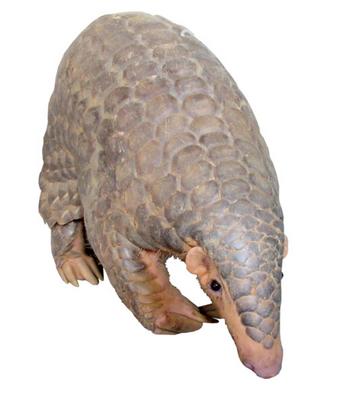
The trafficking of endangered wild elephants, rhinoceros and tigers to China gets all the media attention, but lesser-known animals like the Himalayan black bear, pangolins and musk deer are being smuggled across the border in ever-larger numbers.
Nepal marked the second year in a row with zero poaching of rhinos in its national parks in 2016. Greater awareness and stricter controls have also made Nepal a less-favoured trans-shipment point for tigers and rhinos from India to China.
However, some 650 pangolins are said to have been seized in Nepal en route to China since 2010, but conservationists say it may just be the tip of the iceberg. There are no figures for musk deer killed for their prized gland considered in China to have aphrodisiac properties. Even though the musk gland can be harvested without killing the animal, many deer die in traps in Nepal -- even females which do not have the gland.
The smuggling of various body parts of the Himalayan black bear also fetch high prices in China, and they are trapped and killed in northern Nepal by poachers. A bait lures a bear into a trap which crushes the animal under branches weighted with rocks .
Conservationist Sonam Tashi recalls being asked about wildlife parts during one of his monitoring trips from Olangchungola to Tibet in 2004.
“I was asked if I had bear bile and paws including other wildlife parts to sell,” says Tashi, adding, “Locals in eastern Nepal trap the bears in summer as soon as they come out of hibernation since the medicinal values of bile are high in China whereas meat is consumed locally.”
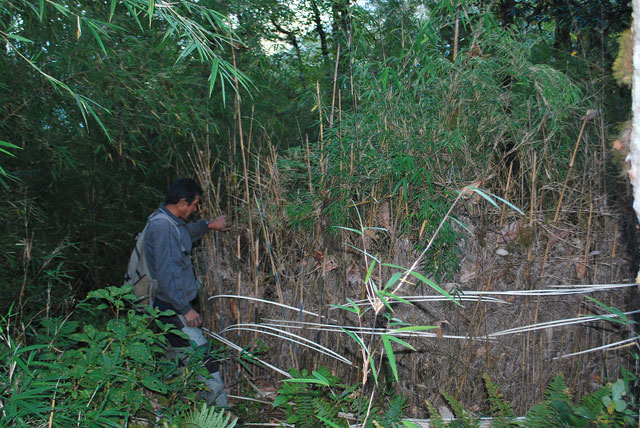
The Central Investigation Bureau (CIB) confiscated 17 sets of bear bile and one paw in 11 different seizures in the last six years.
“There wasn’t much of a focus on pangolins because they were small, and there was more attention to trafficking in rhinos, elephants and tigers,” says Ambika Khatiwada of the National Trust for Nature Conservation, “but now that the scales and meat of pangolins are in high demand in China, and the animal is becoming endangered we need to protect it too.”