
Among the most iconic images of the Nepal conflict is the photograph of a woman embracing the body of her dead husband on a blood-stained battlefield littered with the bodies of policemen executed after capture. Grisly as this picture is, it is another photo from Dailekh of a young girl with tears streaming down her cheek (below) that is even more searing.

The girl is weeping silently as her mother tells a press conference in Kathmandu in 2004 about the disappearance of her father, radio journalist Dekendra Thapa (below). The girl’s story would have been forgotten had it not been for the personal crusade for justice of her mother Laxmi, Dailekh journalists, and human rights activists. Nearly seven years after the war ended, a courageous district police inspector doggedly pursued the case and finally arrested four of those involved in the torture and murder of the girl’s father. This case has become emblematic of the unpunished crimes committed by both sides during the conflict.
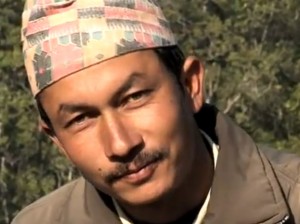
It was the summer of 2003, and the Maoists had laid siege to the district capital of Dailekh, cutting off its water supply. After nearly two months without water, a few journalists led by Dekendra dared to walk up to rebel-held territory to negotiate. The team was abducted and led away, some were released after two weeks but the Maoists detained Dekendra and put up posters in the district two months later detailing 10 reasons why they executed him. His body was not found.
Laxmi Thapa kept up the pressure, even while the conflict was raging, to find her husband and punish the guilty. The burial site was finally found, and forensic examination showed that Dekendra’s mouth was wide open when he died, his femur and elbow were broken, evidence of having being buried alive after severe torture.
The case filed with the police languished for eight years, no one dared investigate as the former rebels went on to win elections and come to power. Finally, it was Inspector Binod Sharma who had the courage to investigate and follow the trail to the house of Lachhiram Gharti, who confessed to being ordered to torture Dekendra. Gharti readily agreed to be arrested, saying he had been consumed by guilt and haunted by Dekendra’s ghost ever since he buried the journalist while his heart was still beating.