
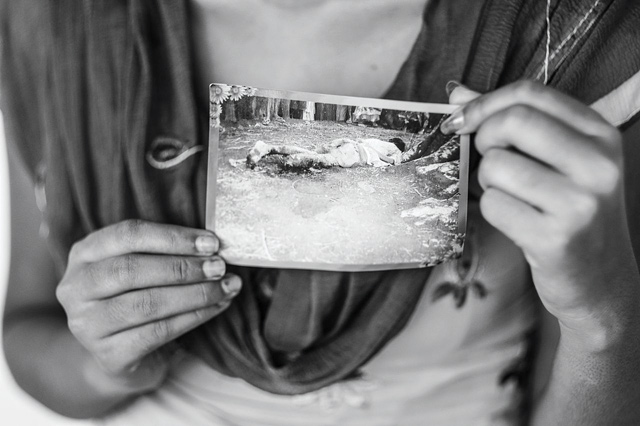
The conflict in Nepal lasted ten years, and it has now been over for just as long. This week marks a decade since the climax of the pro-democracy movement that lead to the ceasefire. What the Maoists failed to achieve with bloodshed was attained in 19 days of largely peaceful street protests ten years ago this week. At midnight on 24 April 2006, after much vacillation, King Gyanendra restored Parliament. It represented a moral victory for peaceful political struggle, proving it to be more effective than using violence as a political weapon.
The last ten years of the peace process had its high points: no one could have predicted that Nepal today would have women in the posts of President, Parliament Speaker and Chief Justice. Or that we would have a former Maoist guerrilla commander serving as Vice-President. Rebel combatants were demobilised, some 1,600 guerrillas joined the national army and some will soon serve as UN peacekeepers. Despite official apathy, threats and intimidation, a few of Nepal’s human rights activists have doggedly pursued truth and justice on behalf of victims and relatives.
However, struggling for democracy seemed easier than nurturing it. The end of the war did not signal an end to violence. For Nepalis yearning for genuine peace and justice, the euphoria of 2006 has long since evaporated. As Seulki Lee points out in her review on page 14-15, in terms of transitional justice the peace process has been an abject failure. War crimes and murders perpetrated during the war have been wholly unaddressed.
One such transgression was committed by Bal Krishna Dhungel, who killed Ujjain Shrestha in Okhaldhunga in 1998 over a family dispute. He was convicted by the Supreme Court and served time in prison before being freed by a Maoist-led government in 2010. Agni Sapkota, the accused in the murder of Arjun Lama in 2005, is now Minister of Forest and Soil Conservation, and faced no consequences as a result of his alleged crime.
There are many other equally notorious cases, like that of Dekendra Thapa, the Dailekh radio journalist who was disappeared, tortured and buried alive by the Maoists in 2005. Or the case of Maina Sunar, the 14-year-old who was raped and murdered by soldiers from the Panchkhal Base in 2004. Dozens were tortured and executed at the infamous Bhairabnath Battalion in the heart of Kathmandu.