
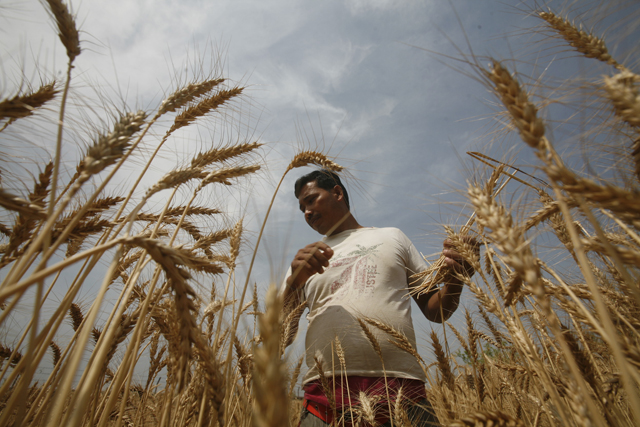
Nepalis are selling their fertile farms and leaving to work in the desert for a pittance, while farmhands from India come to Nepal in the harvest season to earn up to Rs 50,000 a month.
Nepal’s agriculture is caught in this paradoxical situation as more and more young men from the eastern Tarai join the exodus. Peer pressure and stigma mean a young Nepali man is considered lazy and good for nothing if he stays behind to work on the farm.
“He was roaming jobless here, at least in Qatar he will earn a living for his family,” says Sitadevi Chaudhary of the youngest of her four sons. The other three are already working abroad. Migration is not new in Nepal, what is different is that young men are moving out in unprecedented numbers at a time when they could easily make a decent income in Tarai farms and post-earthquake reconstruction.
There is a severe shortage of agriculture labour here in the Tarai, and this has driven up wages. A Nepali in the Gulf actually earns less than a migrant worker from Bihar in a paddy farm in Nepal, and that is not counting the hefty commission to agents, cost of air ticket, visa and other fees that a Nepali migrant worker pays.
Samjhana Biswas sells 100 roast corn a day in a street-side market in Biratnagar. She has calculated a profit margin of Rs 8 per cob, which gives her an average monthly income of Rs 20,000. Biswas says it doesn’t make sense to grow rice in her 1 hectare farm anymore, she earns more selling corn.