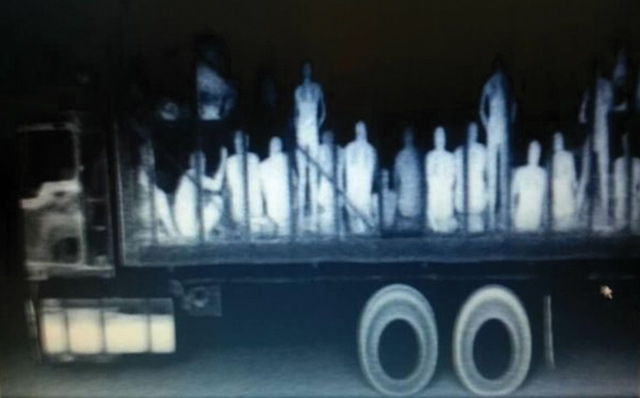
Sitting in a café near San Francisco’s bustling financial district, dressed casually and sporting shades, Kiran could easily be mistaken for a tourist enjoying a midday break from sightseeing. Instead, he had just clocked out from his day shift and is catching his breath before starting his next.
Kiran could also pass off as one of the many Latin American migrant workers in California, the type that Donald Trump wants to deport if he wins the USA presidential elections this autumn. And if Trump had his way, he would also build a wall along the Mexican border, sealing off America’s backdoor for undocumented migrants like Kiran.
“I was being constantly harassed by the Maoists for criticising them, and I felt there was no sense of freedom living in Nepal,” says Kiran, who also made the perilous journey through Central America to cross the border into the USA last year. “I used to fantasise about the American dream. I have now realised it is a struggle to survive here.”
Unlike other Nepalis who plan their journey months in advance, mostly to gather the money needed to pay human traffickers, Kiran met a broker and decided to leave Nepal within two days, without informing his family. He had enough savings to pay the broker and fly out.
Like many other Nepalis, Indians and Bangladeshis, he boarded a flight to Bolivia which does not require visas from Nepalis, and then got off between flights while in transit in São Paolo.
“There are Nepali people smugglers from Brazil to Mexico who are part of an international trafficking network,” explains Anuj, another migrant who entered the USA illegally.
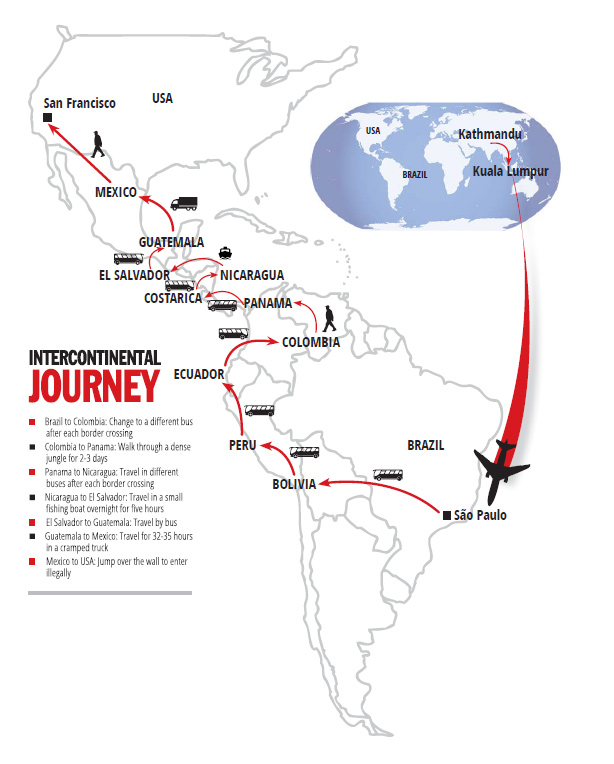
Map by Kiran Maharjan
Traffickers tell migrants the journey can take up to two months and demand fees of Rs 2-4 million. The migrants have to cross 11 countries, working their way from Brazil, via Bolivia, Peru, Ecuador, Colombia, Panama, Costa Rica, Nicaragua, El Salvador, Guatemala and Mexico to the USA border (see map), which takes some of them six months to more than a year. The unlucky ones are tricked by their own agents and left waiting in transit in Malaysia, Singapore, Qatar or Brazil.
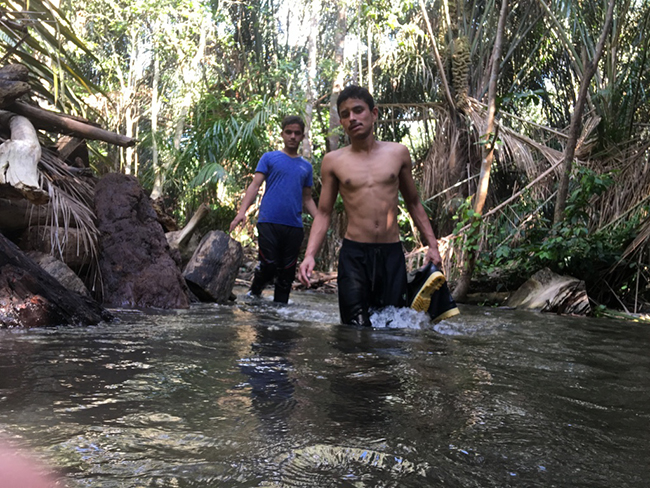
Photo: Jason Motlagh / SBS Dateline
“Between Colombia and Panama, we had to walk through thick jungle for 2-3 days without food, water or shelter,” recounts Kiran. “There was a Bangladeshi with us who nearly died. The smugglers never tell you how difficult it is.”
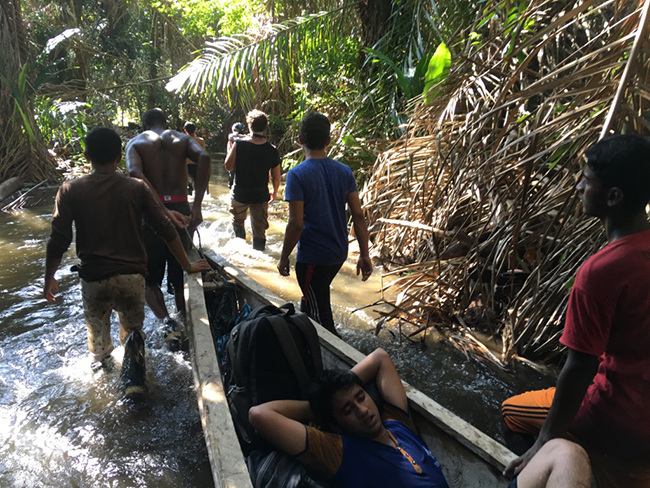
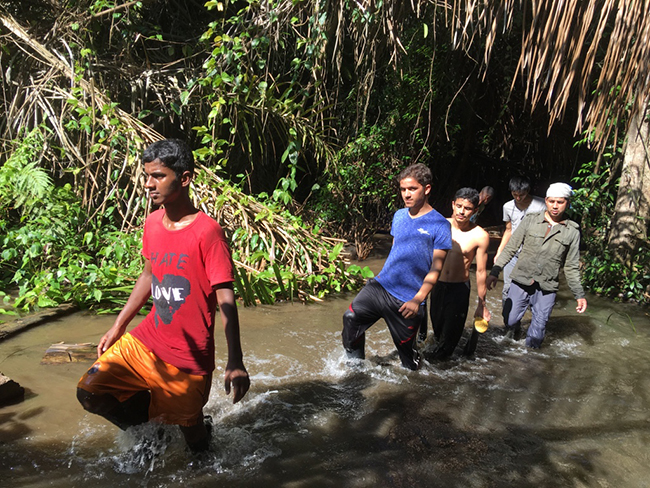
Migrants from Asia and Africa traverse the Darien Gap between Panama and Colombia. Photos: Jason Motlagh / SBS Dateline
Apart from the difficulty in traversing tropical jungles to cross from one country to another, or taking flimsy boats at night in crocodile-infested waters, the migrants also have to negotiate criminal gangs. Anuj recalls how in Colombia a drug mafia gang tried to rob them. He says:
“They wanted money, and were beating the Indians very badly. Surprisingly, they didn’t hurt us Nepalis because this was right after the earthquake and they felt bad for us.”