Mention the Seti River, and the popular rafting river near Pokhara immediately comes to mind. Tourists often do a short two-day trip on the frothing river that tumbles down from the Annapurnas ending their journey near Chitwan.
But there’s another Seti in western Nepal that is much less crowded, a lot wilder, and just as stunning. Meet the West Seti, a tributary of the great Karnali that flows down from Tibet through western Nepal and into the Ganges in India.
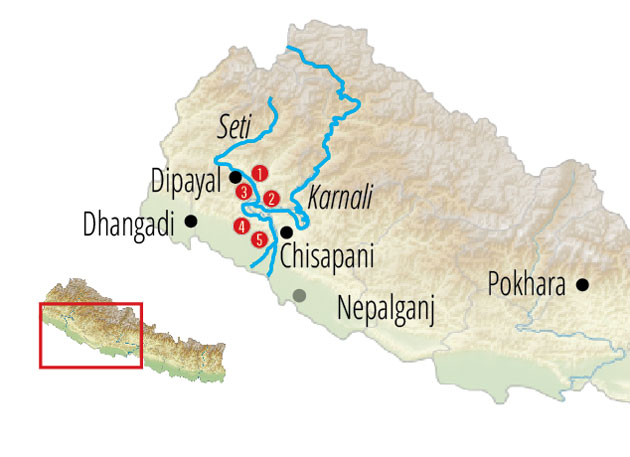
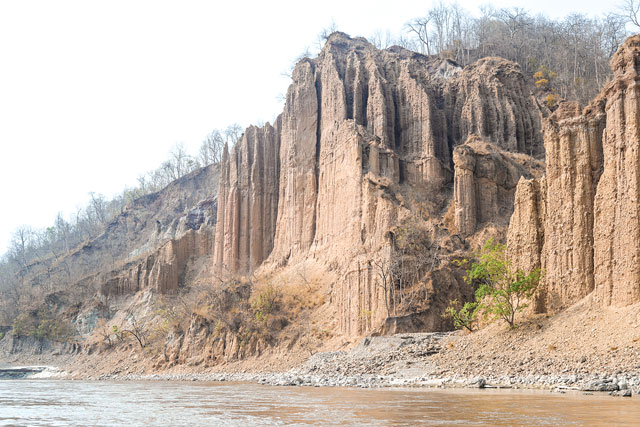
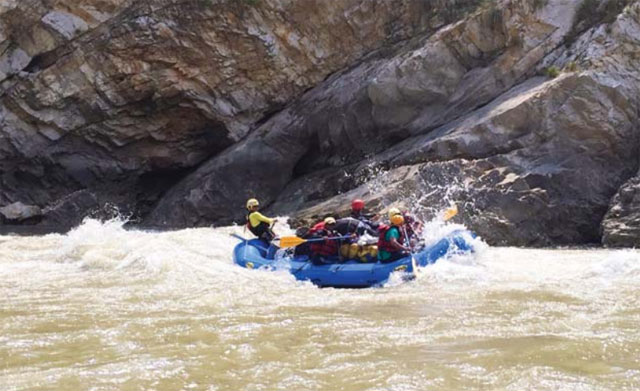
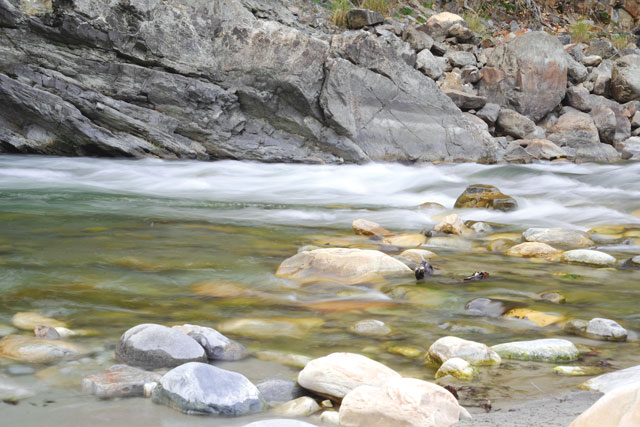
The lower reaches of the Seti as it flows through Doti district is narrow and has rapids with lush banks and pristine white beaches. This makes for an adrenaline-filled ride as rafters try their level best not to be upended by the rocks. Once the Seti meets the Karnali River, however, it widens out and the landscape morphs into stunningly sheer rock cliffs towering over the waters.
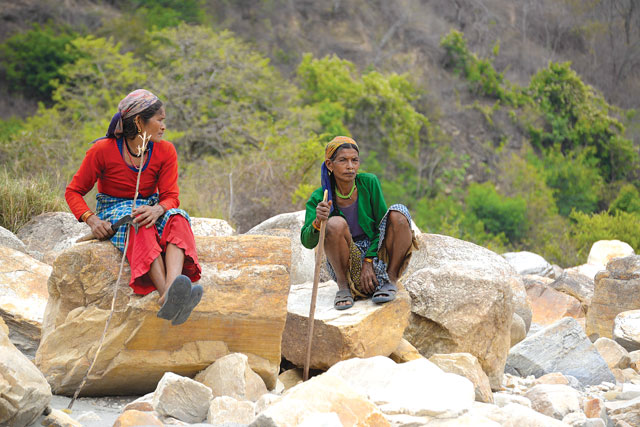
The difference between the West Seti and other rafting rivers like the Trisuli or Bhote Kosi is that it flows through sparsely populated valleys. You go for hours at a time before catching sight of settlements. In the dry season, villagers come down from the hills to graze their livestock, and you float past buffaloes submerged nose-deep in the water, cooling off in the heat, and children swimming and fishing in the river.
Cruising down the Seti, the visitor gets a glimpse of a relatively untouched area of Nepal gliding past. Roads have not reached this area and people live like they did generations ago. There are no lodges or teahouses here, and rafting companies have to camp on the beach.
Tourism entrepreneurs hope that with better access by plane and roads, rafting in the Seti, Karnali and Bheri rivers will boom, helping the local economy by encouraging trade between villagers and visitors. Major hydropower projects are planned on all these rivers, so the rivers may not remain this pristine for much longer.