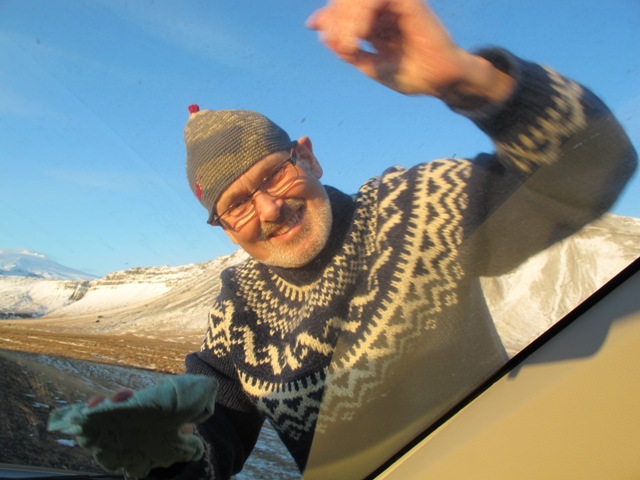
When Icelandic author and photographer Gudmundur Pall Olafsson came to Nepal in early 2010 as part of his world tour to work on the book, Water, the World and Us he became like a guru to me.
A scientist, writer, environmental activist and photographer he understood the urgent need to communicate the threats to the planet from over-exploitation and unsustainable development before it was too late. His books about Iceland showed this passion and commitment, these were books that looked comprehensively at the volcanic island nation’s fiery genesis, its fragile present and uncertain future.
Gudmundur was known by his acronym, ‘GPO’, and he came to Nepal with an introduction from senior editor at Columbia Journalism Review and friend, Jon Swan. GPO and Jon had worked together in the past on investigative environmental stories in Iceland.
In Kathmandu, we went walking in the hills surrounding Kathmandu Valley and discussed how similar some of the challenges facing an island in the north Atlantic and in a south Asian Himalayan country were. Both countries are disaster prone: one from volcanoes and earthquakes and the other from earthquakes and floods.
Iceland has hydropower and geothermal energy, and was struggling to cope with an economic crisis that was driving the country towards ‘developing’ pristine areas. Nepal is facing a crippling energy famine and the need to raise the living standards of its people, with this bringing us in direct confrontation with nature and the need to preserve a unique high altitude wilderness. On top of the existing challenges we both face the threats of global warming.
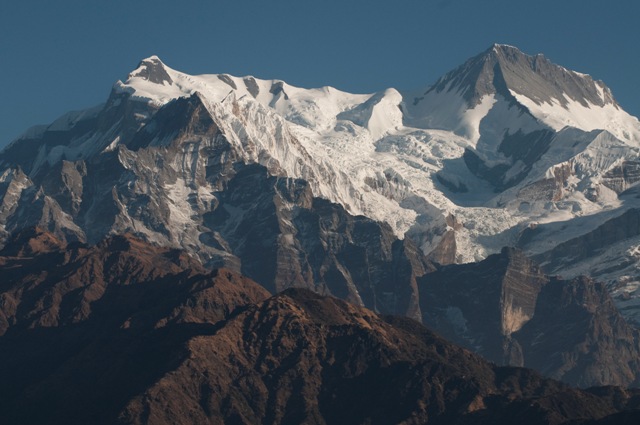
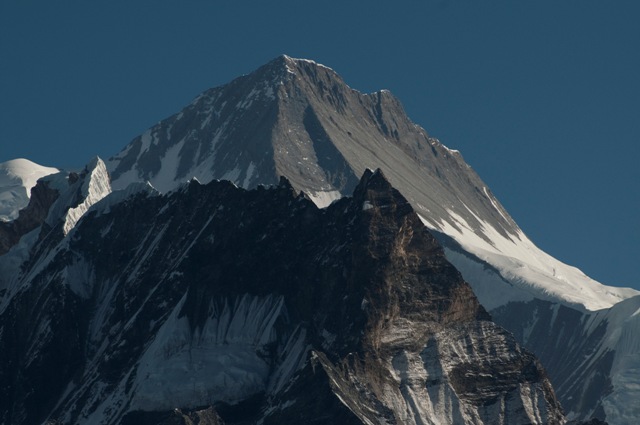
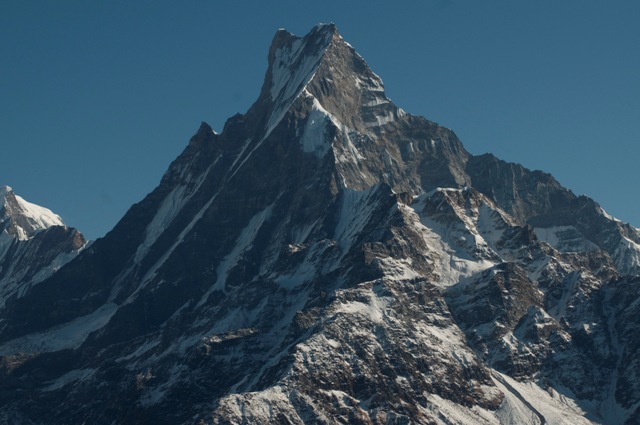
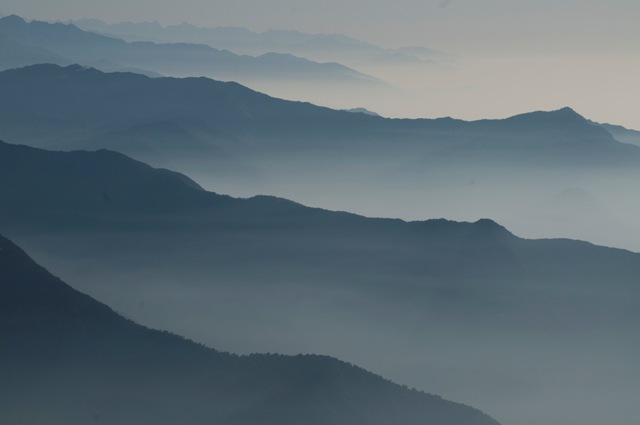
For his book, GPO needed images of the Himalaya and the Mt Everest sightseeing flight was tempting, but I told him the windows were too dirty and scratched for good pictures. So GPO flew off to Pokhara to go up on the Avia Club Nepal ultra-lights and did some stunning photography from the open cockpits, which I reproduce below. Many of them are going to be used in the water book.
We continued this discussion in Iceland, where GPO invited me to lecture at the University of Iceland media school on climate change. He drove us around the island he loved so dearly, he knew every corner of the viscerally beautiful country that rose up literally from a crack at the bottom of the ocean. Driving up to the Snaefellsjokull volcano, we talked about how Iceland was formed by tectonic plates drifting apart, while the Himalaya was formed by tectonic plates colliding. Both are awe-inspiring reminders of the enormous forces at work under our feet.
Soon after returning to Iceland from Asia GPO was diagnosed with cancer, and he was on treatment when we met in Iceland. We marveled how active and strong he was despite having his stomach removed. In the past year, GPO used to write with queries on pictures and maps for his book, and the last correspondence was about a month ago when we worked to label a Google Earth image of Mansarovar and Mt Kailash, the fountainhead of water that irrigates half of Asia. GPO died on August 31 in hospital in Rekjavik at age 71.