
 BILASH RAI |
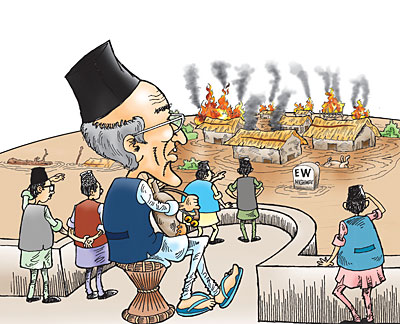
This week marked the third anniversary of the Madhes movement. Over three weeks in January 2007, the spontaneous uprising in Tarai rocked the foundation of Nepali state and nationalism, challenged established forces, ensured federalism, and reconfigured politics. At a time when the Madhes is weaker and more fragmented than it has been since then, it would be instructive to look back at the lessons from the plains.
Here is what the Madhesis told the existing Nepali state: change or perish. In specific terms, this meant political representation, substantive inclusion, reframing symbols of nationhood, and treating citizens who wore dhoti, did not know how to speak Nepali, and had kinship links across the border with dignity and not scorn. If the Kathmandu establishment refused to do so, it would cost the state its legitimacy and erode political authority among one third of its own people. Despite the hiccups, resistance by sections in the capital, and the entrenched social prejudices, the Madhes has won this battle politically and intellectually. What remains is transforming it into institutions.
The second message was to the Maoists: beware of what you have unleashed. Though the Maoists had sowed the militant Madhesi consciousness, the movement itself acquired a strong anti-Maoist tilt. This was due to the failure of the Maoists? to push for federalism in the interim constitution, the recklessness of the Maoist Madhesi leadership, the class character (mid-sized landlords), political orientation (anti-communist), the caste mix of Madhesi leaders, and the perception that the Maoists were a part of the same Pahadi club.
The Maoists have since become more careful, but a similar pattern of ex-Maoists turning to ethnic radicalism can be discerned in the western Tarai. The Maoists and most Madhesi parties remain at loggerheads, but in some ways their commitment to federalism now makes them natural allies.
The people also gave a clear signal to the Nepali Congress, which the grand old party failed to read: reform or shrink. Instead of making the Madhes agenda its own, the NC misread the public mood entirely and felt that the andolan would only hurt the Maoists. The NC home minister (Krishna Sitaula) was seen to have suppressed the movement.