
 MIN RATNA BAJRACHARYA |
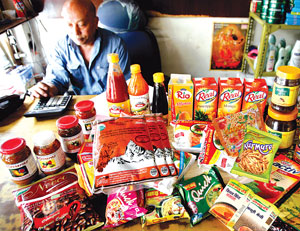
Nepal is generally known throughout the world for its culture, stunning geography and diversity. But local products like noodles, herbs, crazy hats, and pens are helping the country rebrand itself in the international and domestic market, and broaden its identify beyond being the land of the Buddha and
Mt Everest.
Customers in over 80 countries buy seven billion worth of Nepali handicrafts each year. Statues, thankas, metal works, pashmina shawls and silk scarves reach China, Switzerland, Germany, USA and many other countries. Similarly , Nepal is the undisputed leader in the noodles market for South Asia. Today, Rara and WaiWai are not only international brands, but WaiWai has even managed to open factories in Sikkim, Guwahati and Rudrapur in India. Nepal has also taken a giant leap in the juice market with profits extending beyond six million.
Out of the 1,600 medicinal herbs found in Nepal, 162 are exported in half-processed forms to various countries. In the fiscal year 2067-68, export to India alone was worth Rs 860 million, but these figures could have been much higher. Since Nepal lacks laboratory facilities, herbs like yarsagumba, nettles, jasmine, mint, cinnamon have to be sent abroad for processing. As a result, only herbs that are well-known to foreigners find a market.
Among cash crops, tea, cardamom, and ginger reign supreme. Tea ranks among the top twelve crops of
high-value exported to third countries, and Nepali tea has even overtaken Darjeeling tea. Nepal is currently the largest exporter of black cardamom used for medicinal and cosmetic purposes in the west. Ginger from Salyan and Pyuthan reaches the Gulf countries through India.
Nepali construction products are also performing well. Out of the 3 million tonnes of cement required annually in Nepal, over 70 per cent is produced locally. The pipe industry has annual transactions amounting to Rs 1.5 billion. 80 per cent of Bhutan's electricity transformer need is met by a Nepali-Thai company.