

enter code here
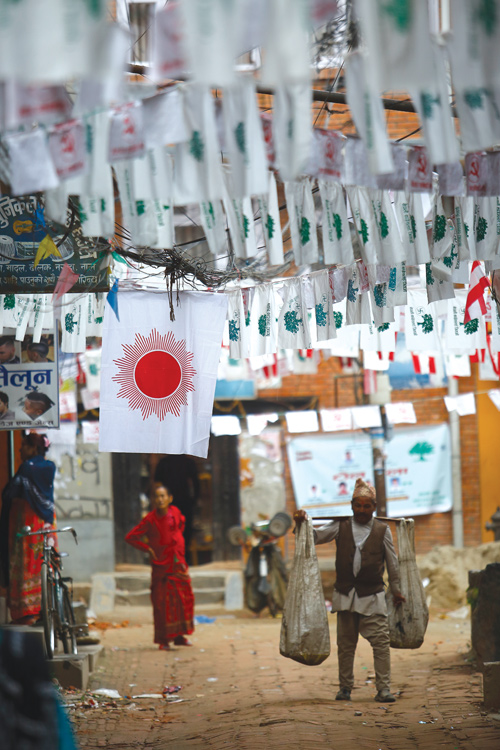
Nepal’s local elections are an important first step towards institutionalisation of the federal democratic structure outlined in the new Constitution.
As the first local elections since 1997, they are expected to deliver many positive and ambitious outcomes, such as restoration of citizens’ rights to participate in local governance, enhanced accountability, transparency and accelerated development at the local level, the emergence of new and progressive local leaders, and provisions for a strong foundation for provincial and federal elections.
Read Also
'Electing for a better future', Kunda Dixit
Nationally local, Editorial
Resuscitating democracy, Guest Editorial
Trial and error democracy, Om Astha Rai
However the question remains, will the elections and subsequent process of state restructuring result in much needed socio-economic development? At a broader level, this relates to the debate in comparative politics and development policies: does democracy lead to development? Or is it the other way round?
Development is not just about economic growth or GDP per capita, but also involves social aspects such as health, education and life expectancy, which are commonly captured by the UNDP’s Human Development Index. On a radical level, development is also about inclusion, redistribution of wealth and above all, realisation of human rights.
As for democracy, it is a process that goes beyond free and fair elections and includes political and civil rights, as well as accountability of the state towards its citizens. However, democracy does not lead to socio-economic development by default. In fact, until the early 1980s modernisation theorists argued that democracy was the result of economic development, not the other way round, the reason being that economic development creates more middle class families, reduces social polarisation and, with education and urbanisation, societies develop greater tolerance, democratic values and systems.
However, the so called Third Wave of democratisation in the late 20th century in many low-income countries, including Nepal, shows that economic development is not a prerequisite for the emergence of democracy. There is, however, a broad consensus that economic development plays an important role in sustaining democracy.
In contemporary discourse, democracy is considered to be a key ingredient in accelerating economic development. This is largely embodied in the ‘good governance’ agenda promoted by various donor and multilateral agencies such as the World Bank, ADB and UNDP. Democratic regimes, through their participatory decision-making approach, are expected to generate a greater sense of ownership and ensure policy sustainability. In addition, democratic checks and balances with different forms of accountability mechanisms are said to promote transparent and reliable service delivery and inclusive development.