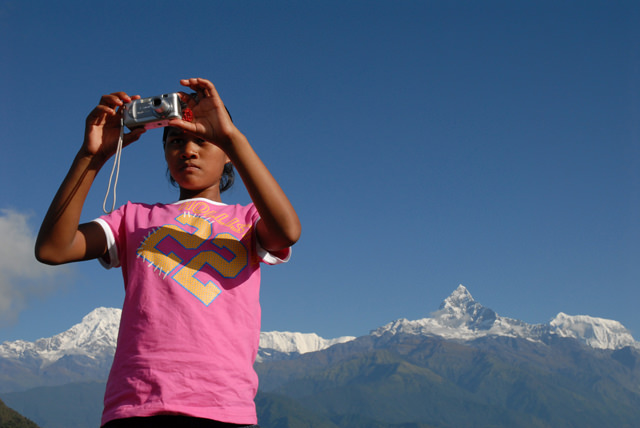
Ten years ago, I was living in Pokhara teaching photography to give girls a voice. Their photos showed such vibrancy and talent that the British Council hosted two exhibitions of their work in Kathmandu. Looking back at an article I wrote in Nepali Times then, one girl stood out: Belmaya Nepali.
At 14, she was a natural feminist from an under-served community who had struggled in Nepal’s patriarchal society. Fast forward to 2014, and Belmaya had fallen back into a life of poverty and hardship. She got married at 19, had a baby daughter and moved to her husband’s Tarai village. Now they were back in Pokhara, living in a tiny, windowless room. Sitting on the concrete rooftop, she told me of the troubles she had endured. “I’ve never seen happiness in my life, she said, “and I don’t think I’ll ever find it.”
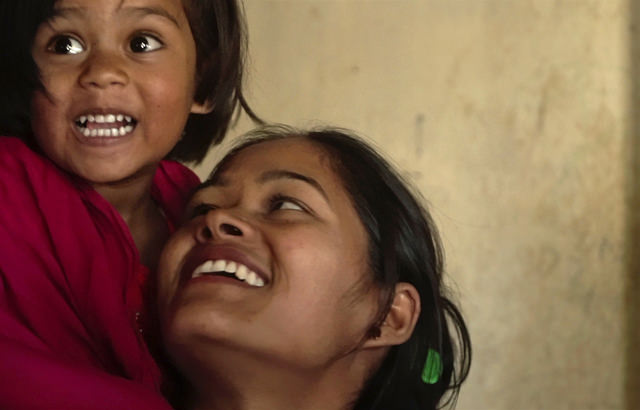
Belmaya was orphaned at the age of nine, and had to cut grass and collect firewood before school. Her teacher mocked her for having “a brain filled with cow dung”, and Belmaya was so hurt she dropped out. “If I could have continued my studies, I could have found a better job. I wouldn’t have to ask my brothers for help. I wouldn’t have to be dependent on my husband,’ she said.
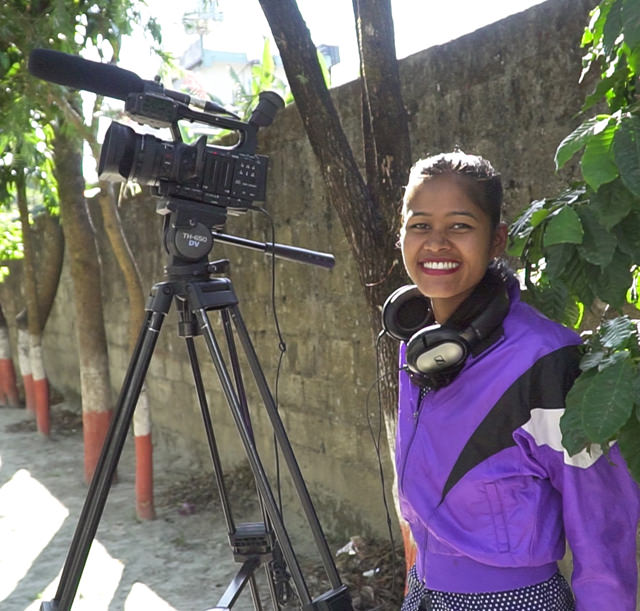
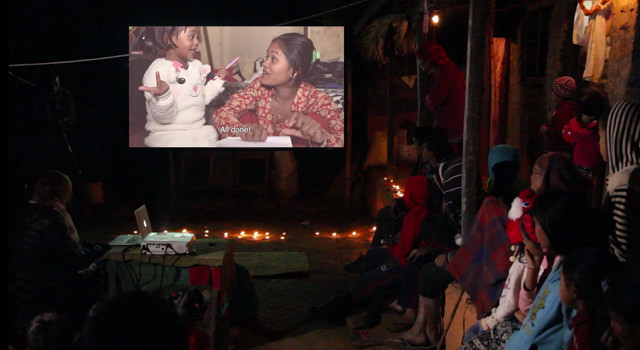
Her life was about to change, however. Belmaya grasped the opportunity to learn filmmaking skills to continue her love of photography. It put not just the camera but its power into her hands, to tell stories from her perspective. Since 2014, I have been following her journey into filmmaking for a feature documentary, I Am Belmaya. With the forces of family and society against her and a lifetime of disappointments, Belmaya could so easily have dropped out. But she not only stuck with the training, she used what she had learnt to transform her domestic life.