Students planning to study in the United States have to spend up to Rs 500,000 before they even get a visa, or are denied one. With the same amount they could easily start a viable business and generate employment for others, the field is open for anyone starting a business in these fields:
Allo sarkar
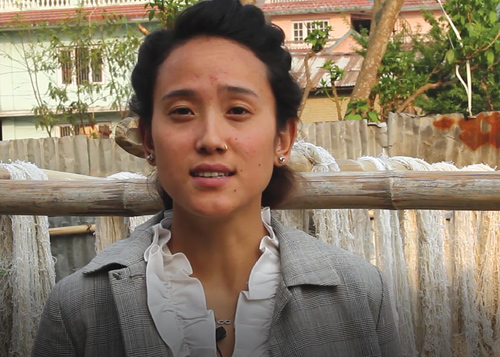
Mala Thapa Magar (pic, above), 24, has turned a Rs 100,000 investment into Himalayan Allo Udyog, an enterprise worth more than Rs 5 million in just three years. The company uses the Himalayan giant nettle and turns it into a fabric that is known for its strength, smoothness, lightness, durability, and a silk-like lustre.
More than 700 entrepreneurs work at different value chains of the allo plant. Yet, most of allo’s potential has been untapped in Nepal’s 50 districts where it grows. The processing of the fibre requires only locally-available inputs, koila (wood ash) and kamero (white clay) or caustic soda.
“Even readying skilled labour force is easy,” says Thapa Magar, “as anyone can be trained to make allo yarn and its woven products just in a month.”
But the major obstacles are contacting middlemen to access raw materials and reaching customers. An allo investment plan will break even within a year. Profits can be maximised by carrying out allo processing more than once a season, along with production of blended fabrics.
“Most importantly, the business needs a product identity and a passion for hard work,” Thapa Magar says.
Coffee conversation
Despite developing a growing taste for coffee, Nepalis only consume 700 tons of the beans a year. But this is set to grow as Nepali farmers take to coffee as a cash crop in a big way.
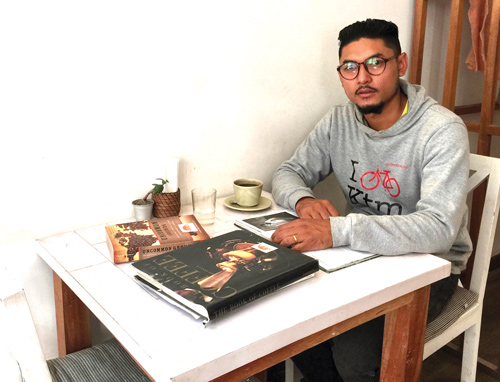
Coffee cultivation can be three times more profitable than other cereal crops, and high quality exports fetch a gross margin of over Rs 90,000 per hectare. However, the lack of export incentives for processed coffee beans and fluctuating prices affect farmers. But domestic demand for roasted coffee is growing and one five-star hotel in Kathmandu consumes up to 70 kg of coffee per day with each kilogram selling for Rs 1,200. “There is a huge untapped potential for the growth of the coffee market,” says Sailendra Dangol (pic, above) of Sports Coffee House franchise. Coffee has only met 10 per cent of domestic demand, and there are only 2,000 hectares of coffee plantations in Nepal out of an estimated potential for 1.1 million hectares. The field is wide open for entrepreneurs.
Fertile environment
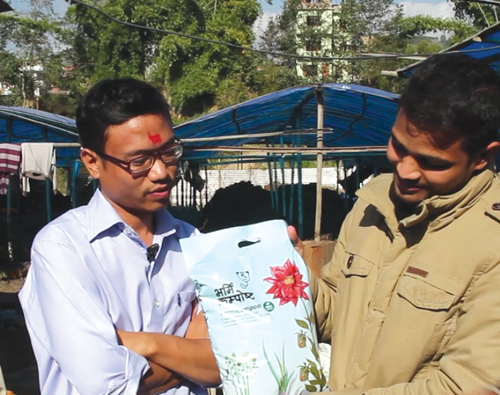
“Did you go to college so that you can play with cow dung?” the founders of Prarambha Bio Tech, Prabesh Lama (pictured, left) and Manish Pratap Singh (pictured, right), were often asked. But no one laughs at the entrepreneurs who saw wealth in waste, and are now making a fortune selling fertilizer from compost and vermiculture anymore.