Rama Rai travelled to Kuwait six years ago with dreams to build a better life for her family back home. She was cheated by her agent, abused by her employer and raped by an acquaintance. After serving an 11-month jail sentence for possessing a fake passport and an expired visa, Rai came back to Nepal penniless and with a baby. Saraswati Bhattarai came to Kathmandu a day before she was due to fly to Kuwait. That night, at the guest house in Gongabu a guest drugged and raped her. She flew to Kuwait anyway, gave birth there, and returned only to find her family had disowned her.
Desperate to support her family, Lila Dong took up a job as a housemaid in Lebanon where her employers beat her up regularly. She fled and lived with a Nepali, got pregnant, was caught for overstaying, gave birth in detention and was deported to Nepal.
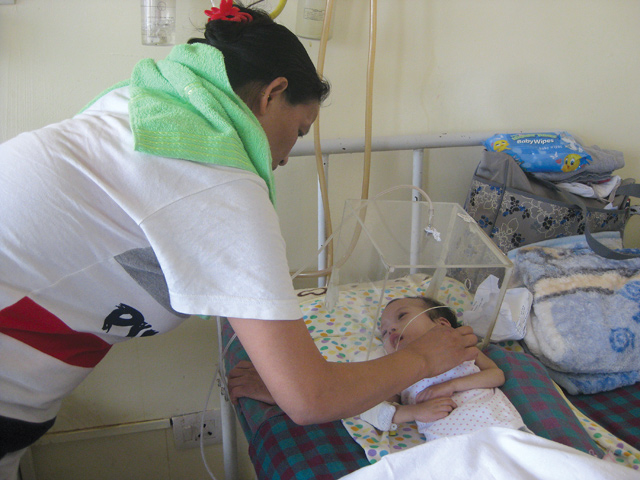
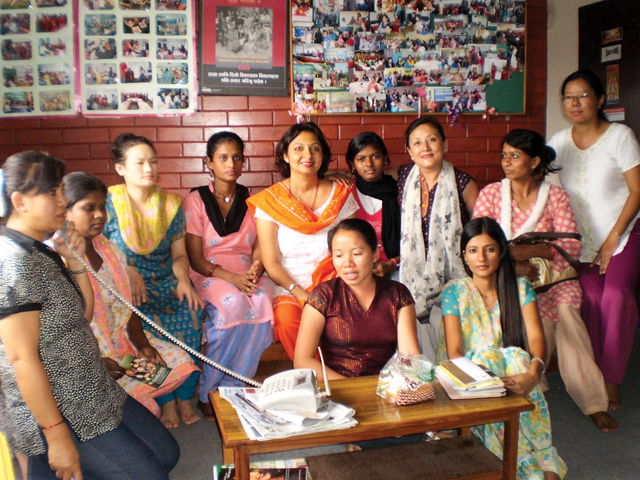
These are just some of the stories of dozens of Nepali women who have returned with babies from domestic work, mainly in West Asia. In the last three years alone, the group supporting women migrant workers, Pourakhi, has received 41 women, some pregnant and others with children in its shelter in Kathmandu. There are many more cases which go unreported.
“These women face a double stigma, they return with no money and with a baby, which allows society to question the woman’s character,” says Satra Gurung of Pourakhi. More than 300,000 Nepali women currently work in West Asia, mostly in Saudi Arabia, Kuwait and Lebanon. One-third of them travel to these countries via India and more than half use illegal means such as fake passports which make them even more vulnerable. A study by the Foreign Nepali Workers Rescue Center found that nearly 90 per cent of women suffer from some form of violence, with Saudi Arabia and Kuwait being the worst offenders.
Sociologist Ganesh Gurung of the Nepal Institute of Development Studies has studied the problems faced by women migrant workers on their return home, and says ostracisation of women who come back with babies makes their stories even more tragic.
“The family and society are not accepting of women who come back with babies,” says Gurung. “Without support and necessary guidance, some commit suicide while others resort to prostitution and go back to work in the same countries again.”
In April, the government lifted restrictions on women younger than 30 from working as domestics in Gulf countries. Now, women aged 24 and above can travel to the Gulf for work, but only through authorised recruiting agencies. The Nepal government is also working on a policy to go into effect from next month that will require both worker and employer to sign work documents at the Nepal Embassy in the host country with the employer posting a $1,000 bond as compensation in case the worker is abused.
“We believe these changes will help reduce problems faced by our women migrant workers and encourage more women to follow the legal route,” said Raghu Raj Kafle at the Foreign Employment Promotion Board. The government hopes that if more women follow the legal course it will be easier to lodge complaints against abusive employers and agents.
Research has shown that Nepali women who go to work as housemaids in West Asia wouldn’t have gone if they could have just earned Rs 10,000 per month in Nepal itself.
Some names have been changed.
Lila
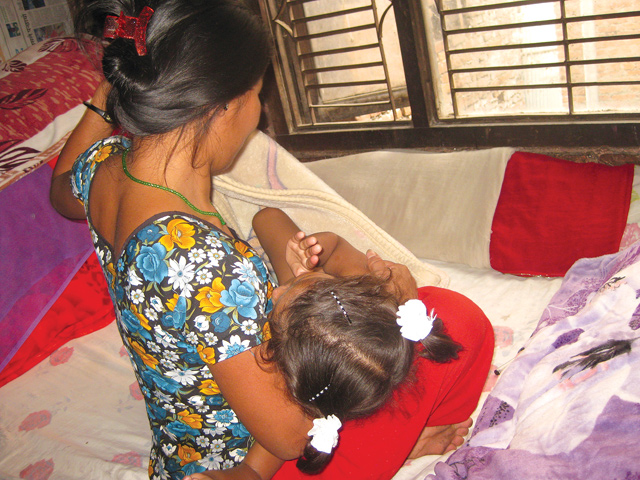
Growing up in a family with seven sisters, 29-year-old Lila Dong dreamt of a grand wedding ceremony. But Dong knew her family couldn’t afford it. Five years ago she left to work in Lebanon in the hope of fulfilling that dream. At first she enjoyed her work as a housemaid. She had to look after the family’s six children and perform all household chores. But soon the abuse began. Her employers often beat her up and the children treated her badly. Her employer even hit her while she was asleep in bed.