Once relegated to an obscure corner of the film world dominated mainly by commercial feature movies, documentaries are now drawing more attention from both audiences and wider society.
In this part of the world, Film Southasia, whose 11th edition unspools 2-5 November in Yalamaya Kendra, Patan, has been showcasing the best non-fiction in and about the subcontinent.
As the cultural capital of South Asia, Kathmandu has been hosting the biennial event since 1997. Over the past two decades, not only has the festival grown and provided a platform for documentary makers, it has also served to nurture and develop a generation that loves and seeks to understand the medium.
Mitu Varma, the director of Film Southasia, still remembers when the festival first came to town. “Back then, I remember we had people but we had empty screenings for some of the films in the Russian Culture Centre,” she recalls. “These days we have a dedicated audience in Kathmandu who wait for the fesitval, are willing to pay and fill up halls to watch documentaries. This rarely happens in other venues.”
While the audience for documentaries is growing, screening opportunities are still limited. And although film-making has become less expensive, making a profit is still difficult. “Non-fiction is something that needs a lot of encouragement,” says Varma, “because even today if youngsters are going into it as a career they need a lot of dedication because the money lies in either features or advertisements.”
With the goal to encourage new filmmakers and bring others from around the world to discuss non-fiction film and promote mutual understanding, Film Southasia is back with a new edition.
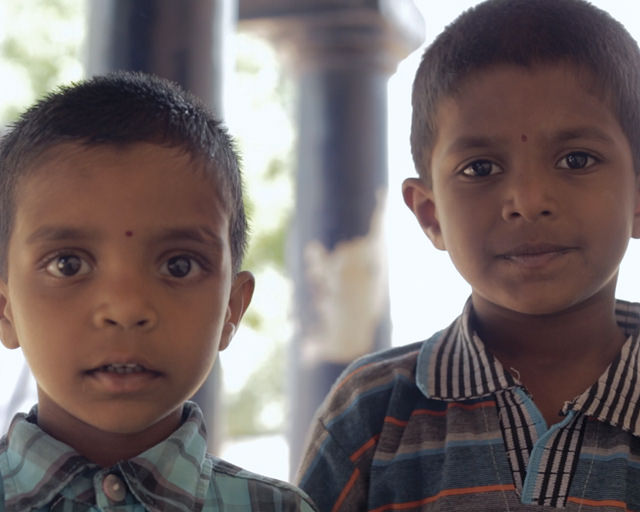
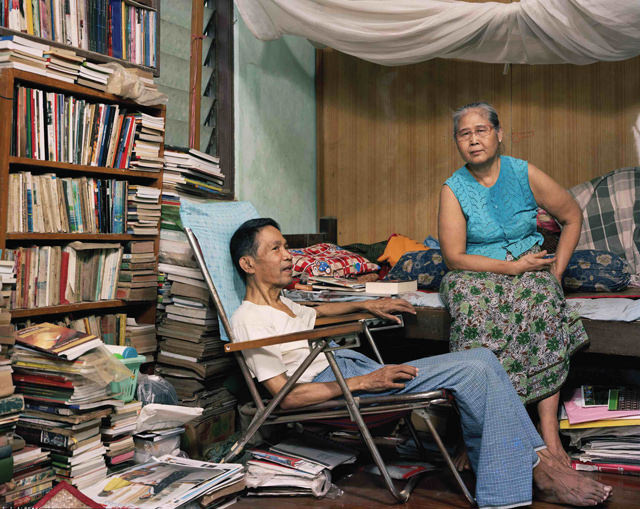
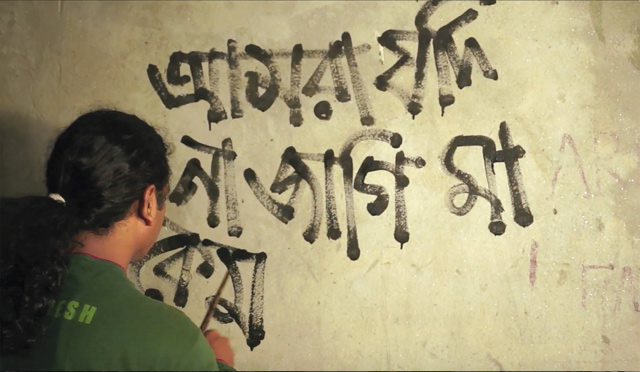
This time out it will showcase 63 films from Nepal, India, Pakistan, Afghanistan, Sri Lanka, Bangladesh and Burma. Of them, 12 will be shown under the non-competitive ‘Documentaries of Dissent’ category, introduced this year with a special focus on India. Six others will be screened under the ‘Student Films’ category, which showcases works by the next generation of film makers.
The 45 films in the competitive section will vie for five awards. The Ram Bahadur Trophy will go to the best film, along with a cash prize of $2,000, the runner-up will be awarded $1,000. The best debut film will merit the Tareq Masud Award and $1,000, the UNICEF Award will go to the Best Film on Children’s issues ($1,000) and the award for Best Student Film will merit $500. To make it easier for the audience to choose what to watch, organisers have grouped the films by theme. For example, on Day 1 the audience can watch six films around feminism, gender, sexuality and rights at the Majlis Hall of Yala Maya, followed by a panel discussion. Organisers are also launching an app this year to make it easier for the audience to keep tabs on the schedule.
“It is difficult times for everyone across South Asia so I think the filmmakers are also sharper and more insightful, and they are doing wonderful films,” says Varma.
Save Gangamaya Gopal Shivakoti
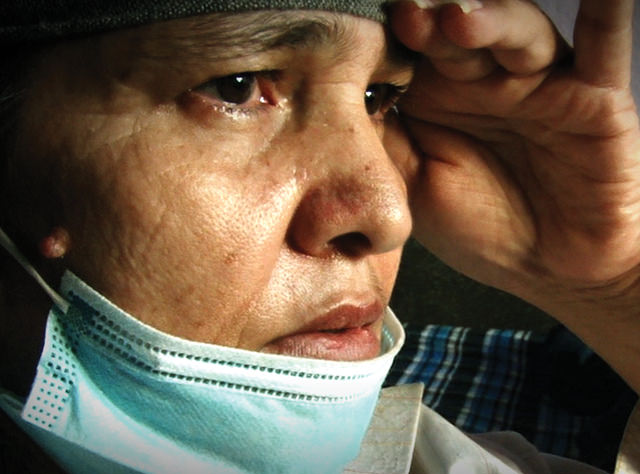
Gangamaya and Nanda Prasad Adhikari, a couple from Gorkha, held a hunger strike in front of the residence of Nepal’s Prime Minister demanding justice for the 2004 murder of their teenage son Krishna Prasad Adhikari. Authorities reacted by forcefully admitting them to Bir Hospital in Kathmandu. On 22 Sept 2014, Nanda Prasad died after 333 days of fasting. On 19 Oct 2014, Nepal’s government promised justice to Gangamaya and persuaded her to end her own 359-day fast-unto-death. The murderers of Krishna Prasad still haven’t been brought to book, and the last rites of her husband haven’t yet been performed. Gangamaya sought justice through the courts as citizens should, but the administration was not up to providing it. So, despite deteriorating health, Gangamaya once again began her indefinite hunger protest and is being force-fed intravenously.
K2 and the Invisible Footmen
Iara Lee
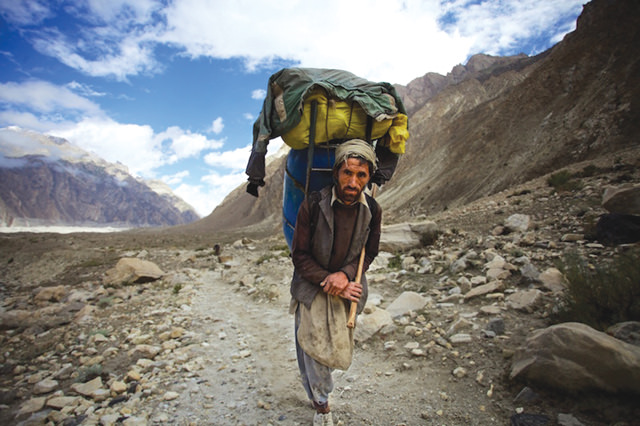
In K2 And The Invisible Footmen, filmmaker Iara Lee and team chronicle the lives of Pakistani porters and Nepali Sherpas. The film also follows the first official all-Pakistani climbing team, made up of former porters, who successfully summited in 2014 in celebration of K2’s 60th anniversary. Amid breathtaking scenery, the film depicts the every-day sacrifices of porters and the courage of those indigenous climbers who choose to return to scale K2 in spite of past tragedies. In striving to perfect their craft, these mountaineers provide a fresh look into the cultures and national traditions of Pakistan, a country typically portrayed in the foreign media as merely a land of conflict and sectarian strife.