All Pics: Gopen Rai
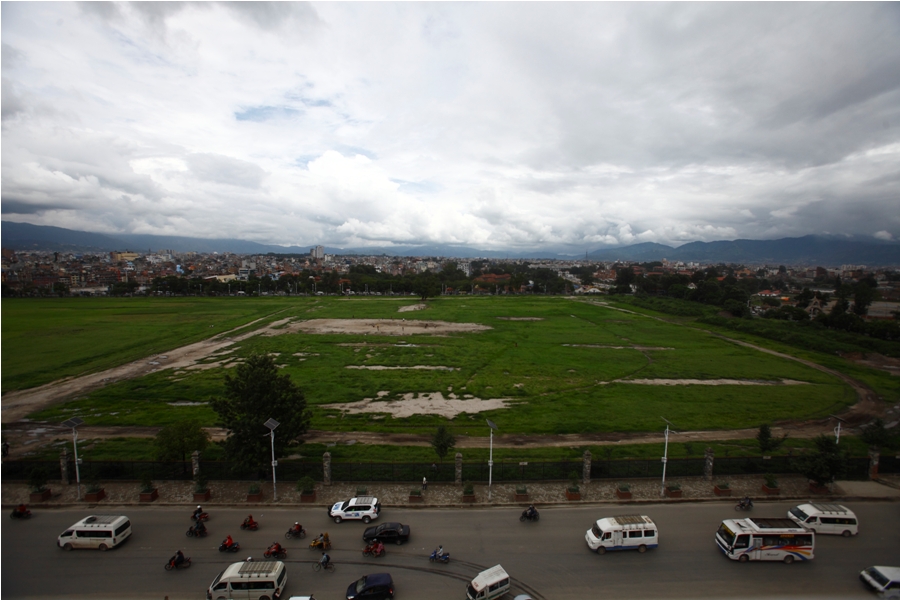
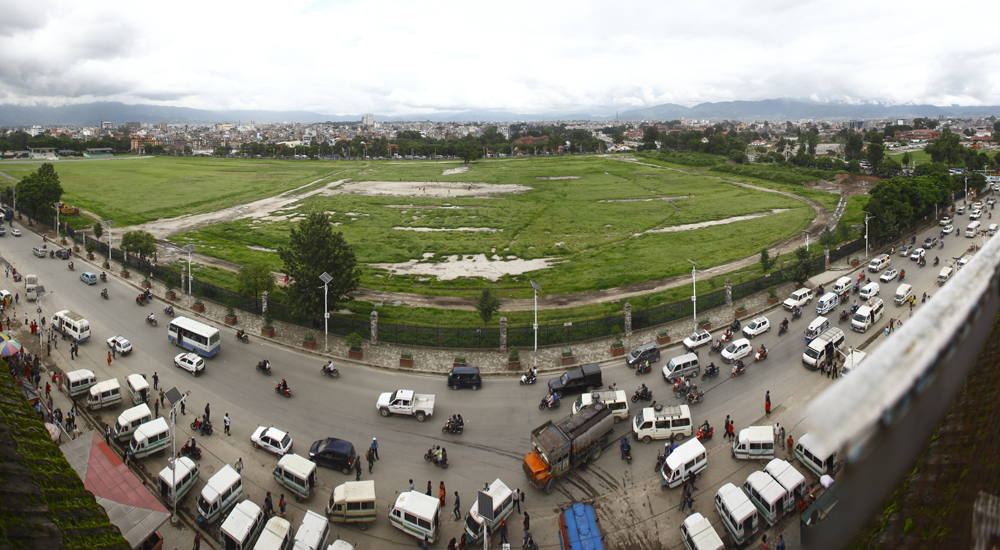
After last year’s earthquake, Tundikhel was the only open area Kathmandu's residents could flock to. For months, the military parade ground was turned into a huge open-air shelter, just like after the 1934 earthquake.
The makeshift tents are now gone, and Tundikhel is once more the city’s green lung. But it is shrinking, as most of it has been fenced off by the Nepal Army. The Open Air Theatre is being turned into an underground parking lot. Over the years, Kathmandu’s dwindling open spaces are being increasingly encroached upon.
“Post-earthquake was the right time to plan and make people understand the value of public spaces, but unfortunately it is not going in that direction,” lamented Padma Sundar Joshi of UN-Habitat.
The International Organisation for Migration has identified 83 open spaces within the valley as refuges in case of future earthquakes. But Kathmandu needs more than just open areas, it needs public parks. Says Joshi: “Public parks are important from the social interaction aspect. A city without open spaces becomes more individualistic because there is no community interaction.”
Open Spaces in Kathmandu
Map by Sahina Shrestha
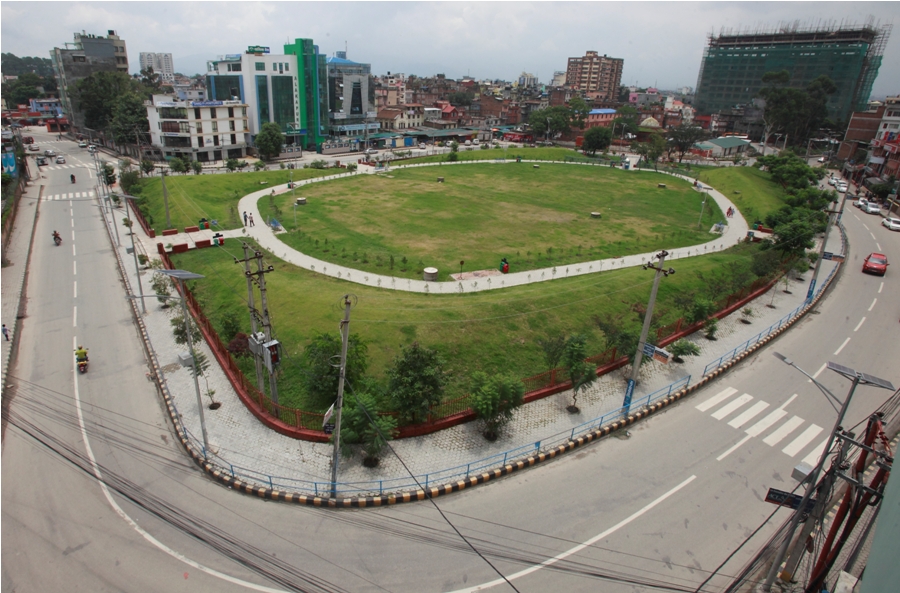
There are only a handful of public parks at present. Some communities have taken matters into their own hands and started building their own, like Nandi Keshwor Garden in Naxal and Bankali Garden in Pashupati.
Shriju Pradhan, Chief of Heritage Conservation of the Kathmandu Metropolitan City (KMC) says: “If we had local elections, representatives would be forced to be accountable and meet the public’s demand for open spaces.” KMC recently announced a plan to construct at least one park in each ward, and has set aside money for this. Environment Division Chief Rabin Man Shrestha says that the city can be made greener. “Ideally more than 10% of the city should be green, which is not the case right now.”
Balaju Park
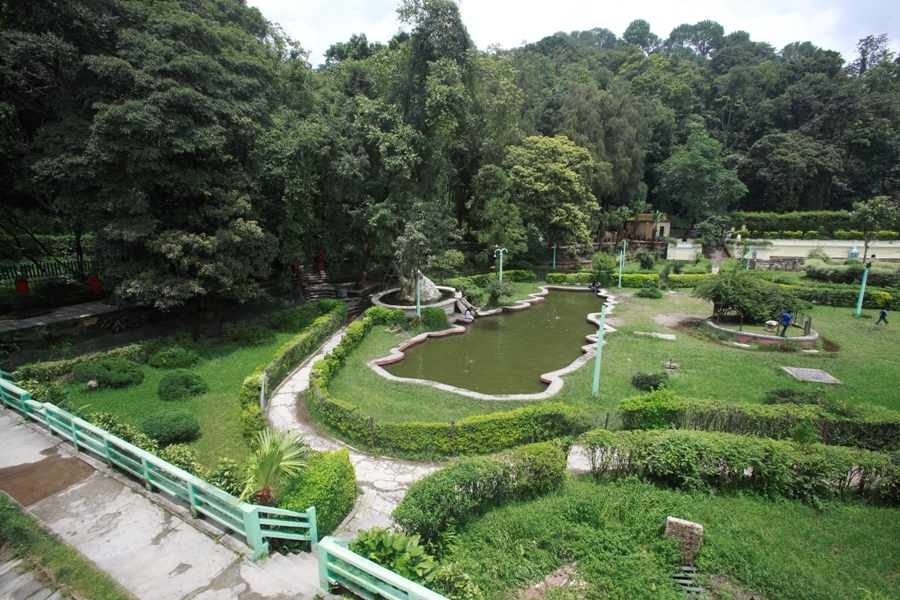
The park is managed by KMC, and sees up to 500 visitors in a day. “We understood the need for open space during the earthquake, as many people had shelter because of this park,” said park official Damodar Lama. Visitors are charged on entry.
Ratnapark
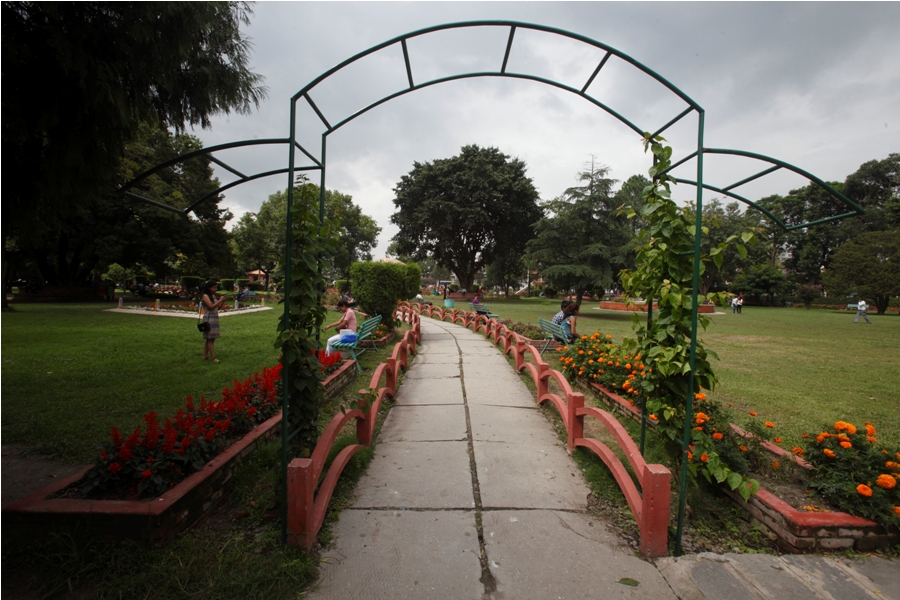
A spick and span park under the KMC, in the heart of the city. With lush greenery, colourful flowers, a duck pond and ample space for strolling, it is one of the few well-kept ones in the city. Visitors are charged on entry.
UN Park
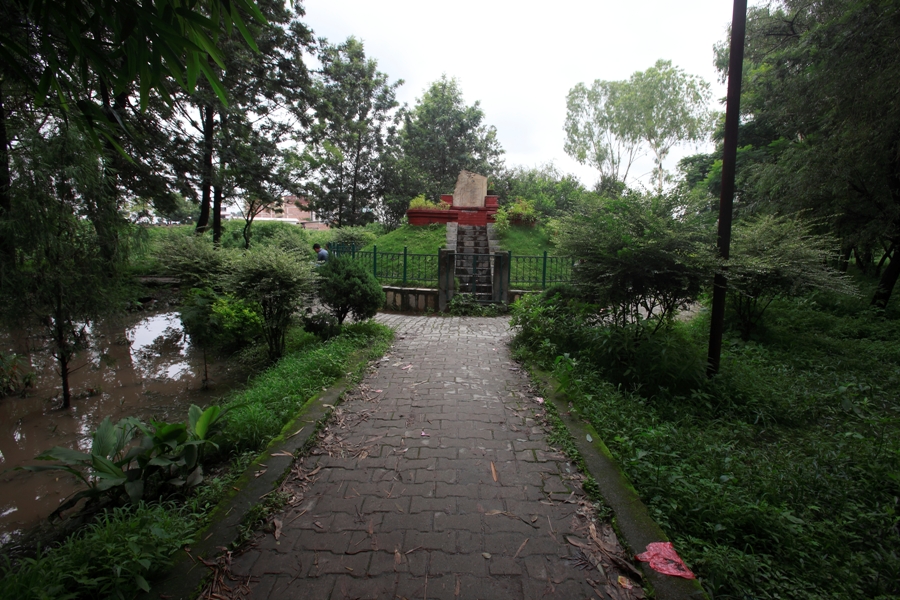
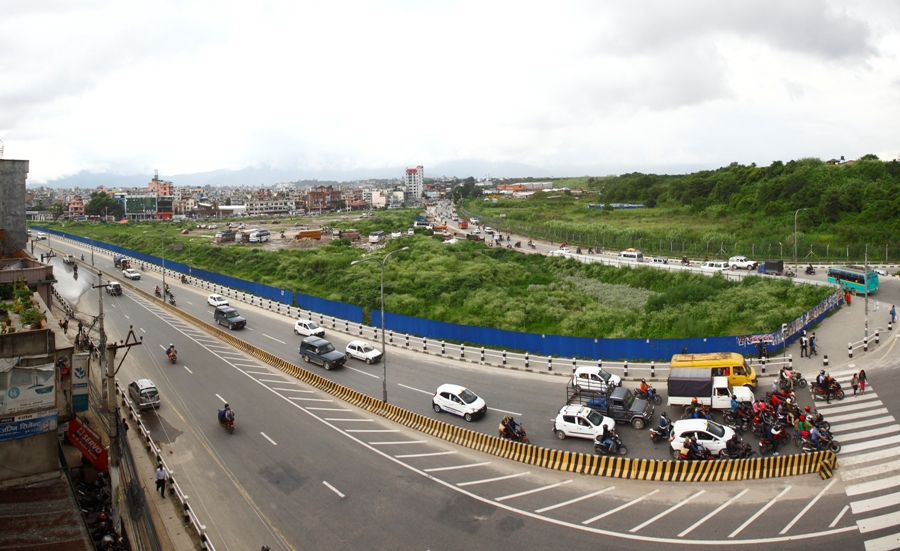
This park, aimed at adding to the green space along the Bagmati Promenade, has become neglected and overgrown, but at least it has not been built up. A garbage dump site has overtaken part of the park.
Bhandarkhal Garden
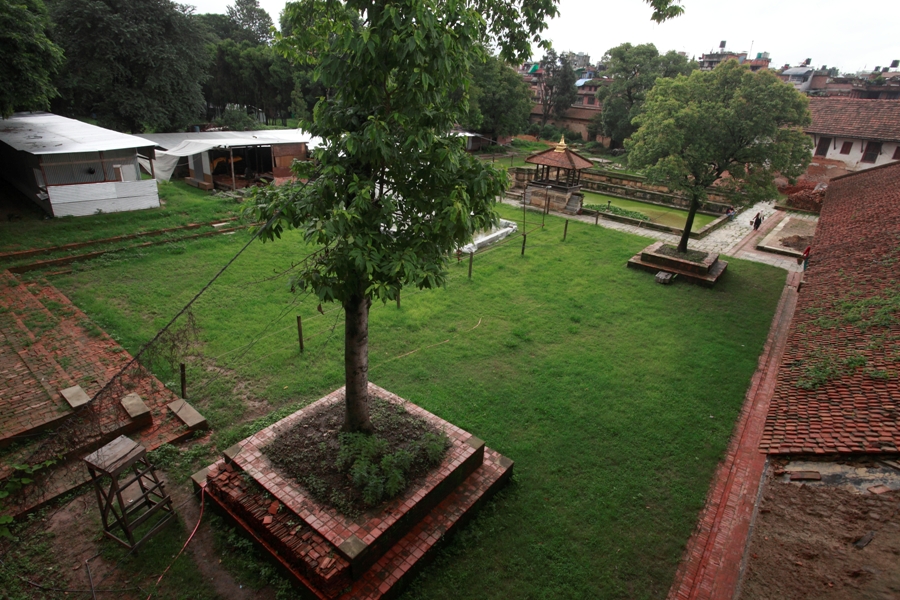
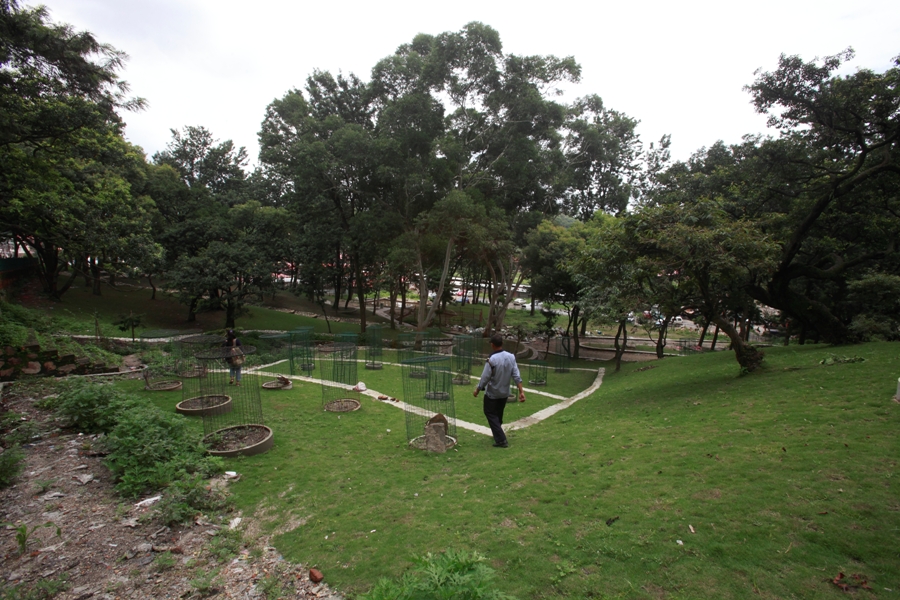
Formerly a Malla-era garden, this is one of the few remaining green areas in Patan. “We want to give easy access to the locals. There is hardly any green space left in Kathmandu, so why should we close it?” asks Kathmandu Valley Preservation Trust’s Rohit Ranjitkar.
Central Zoo
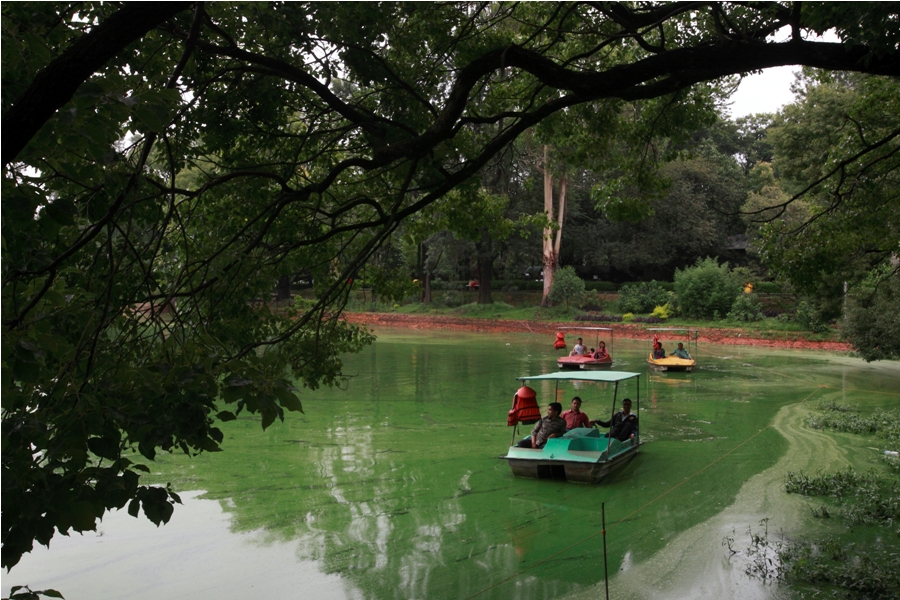
The Jawalakhel zoo makes for a prime location as an open space and public park. Situated at the centre of congested Patan, the area has a large pond and abundant greenery. Visitors are charged on entry. There are plans to shift the zoo to Surya Binayak.
Godavari Botancial Garden
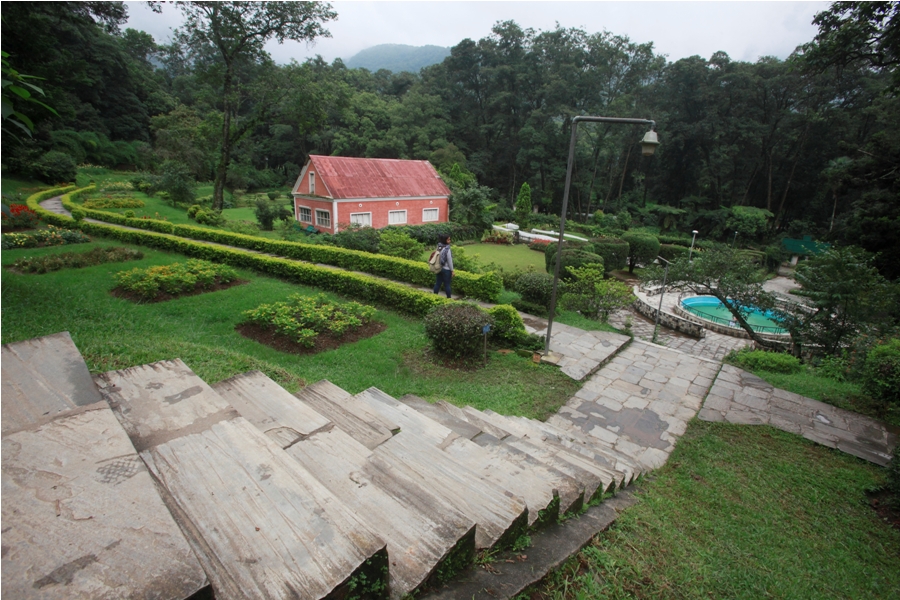
Located at the base of Phulchoki, the highest point in Kathmandu Valley, the garden provides a lush and welcome respite for residents. It also aims to raise awareness regarding plant resources. Visitors are charged on entry.