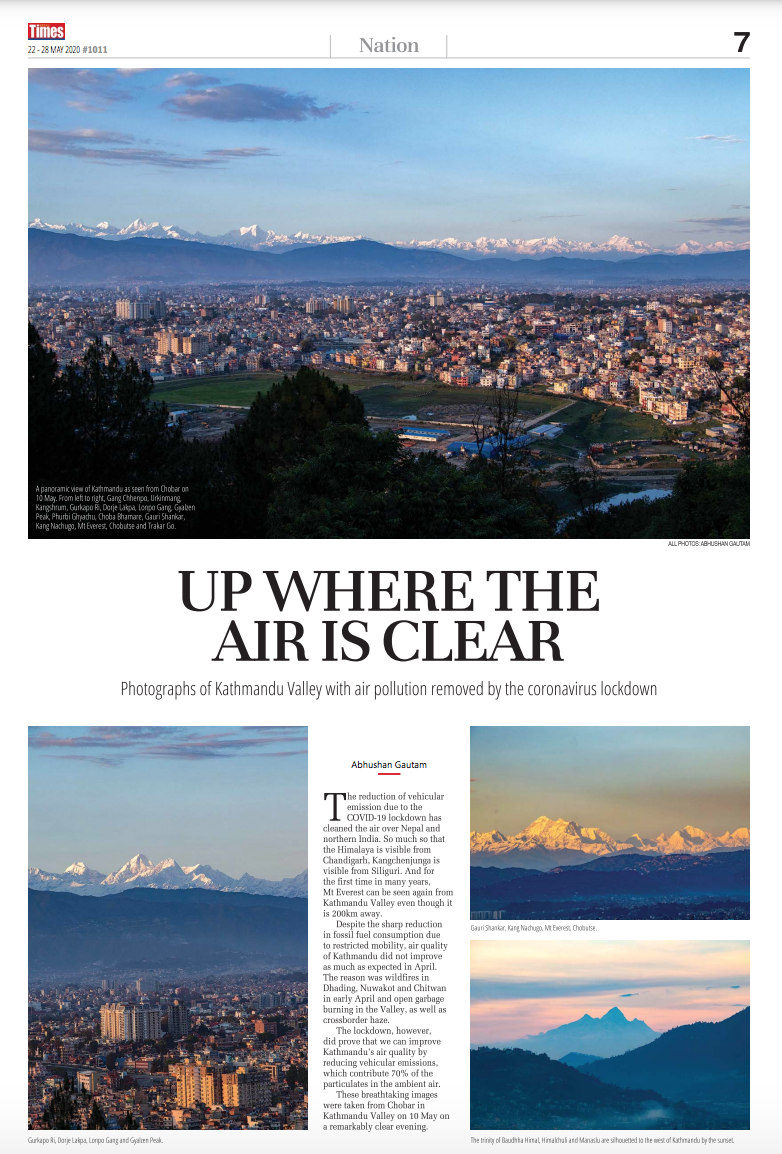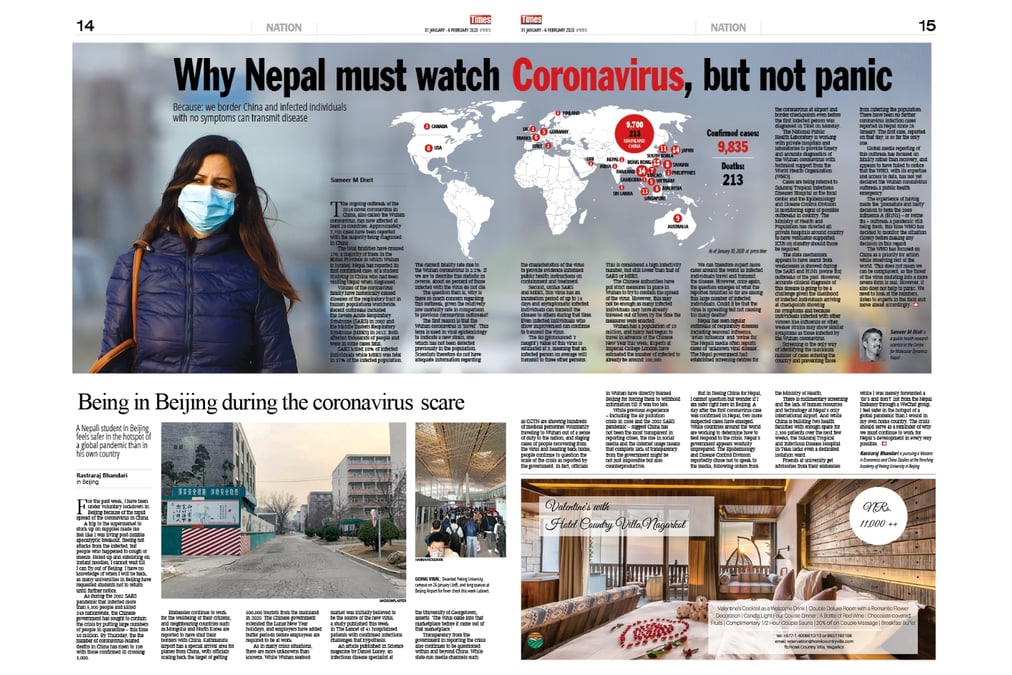
The world before and after Covid-19 are two different realities. The pandemic was a Hollywood dystopian nightmare and changed how people live and work, what we eat, and how we travel, our social dynamics and technological leaps. It also exposed or, in some cases, aggravated pre-existing inequalities.
While the exact origin of the virus, which was first reported on a small scale in November 2019 from Wuhan remains contentious, Covid-19 was the latest in a long line of infections that jumped from animals to people, establishing the connection between new and emerging diseases with the relentless extraction of natural resources. It also widened the gap between the rich and poor countries.
Countries sealed their borders and locked their citizens in the confines of their homes, but they could not do the same to the novel coronavirus. The world is a global village, a wily virus detected in one part of the world rapidly spread to every known corner in a matter of days. It continues to this day with a new sub-variant of the Covid-19 being detected every couple of months.
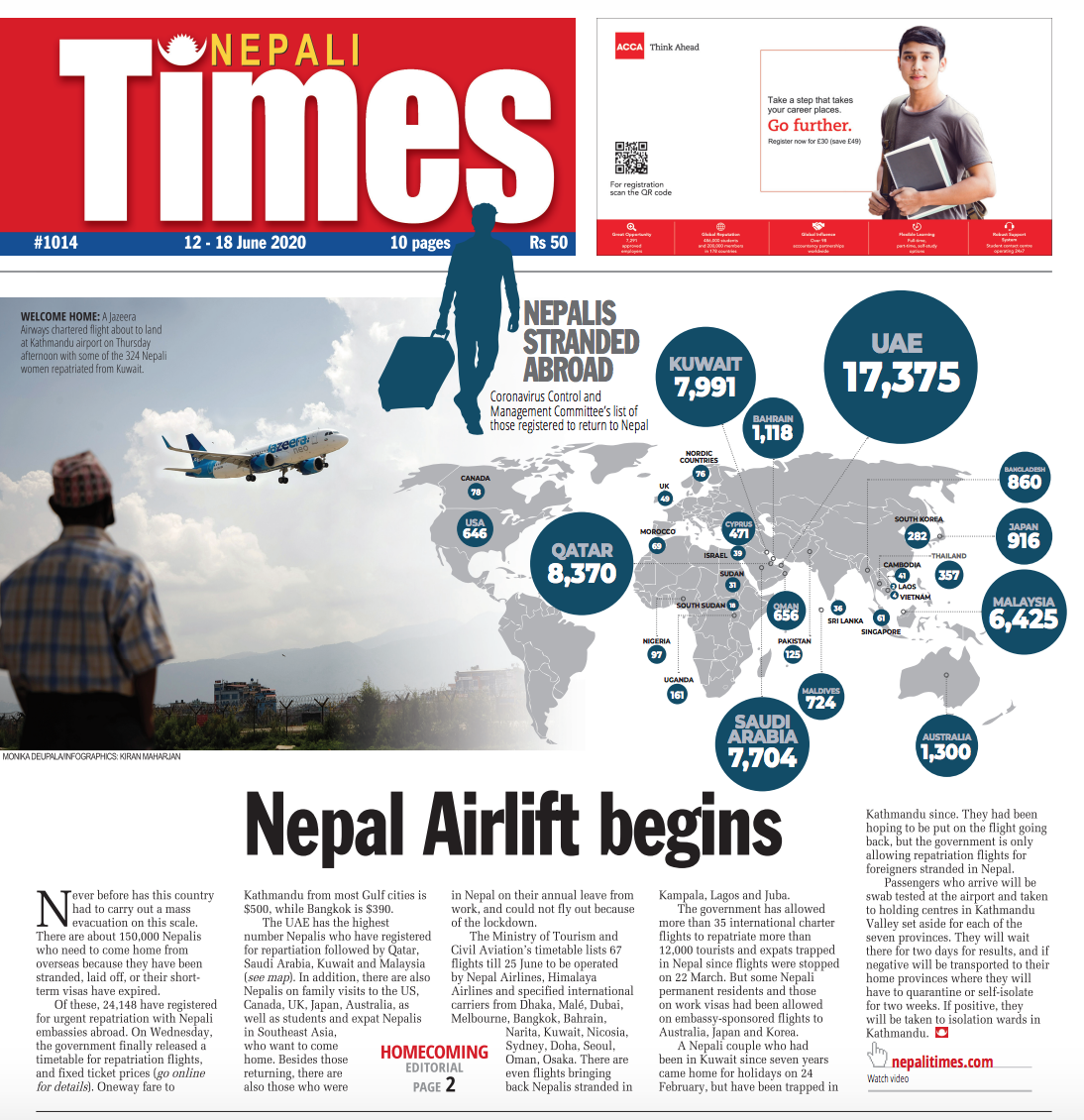
After the shutdowns, the repatriation of Nepali migrant workers became a priority (right). They had lost their jobs in destination countries and had no way of coming back.
There were some Nepali embassies in West Asia which worked overtime to bring workers back home safely. Migrants from India walked for days only to be stopped at the border. Desperate, some even swam across the Mahakali River to get home.
Before long, hospitals were overflowing with patients and there were not enough supplies or staff. The Nepali diaspora sent home money in record numbers, they also flew equipment including medical supplies such as oxygen cylinders.
The poorest were the hardest hit. The lockdowns meant they had no source of income, and their health and nutrition were directly compromised. This was even more acute during the second wave caused by the more aggressive Delta variant. Even younger people were hospitalised, and the need for a vaccine, especially for the elderly and people with comorbidities, was at its peak.