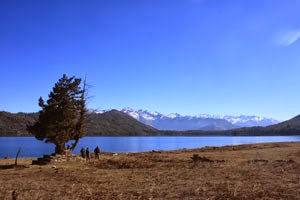
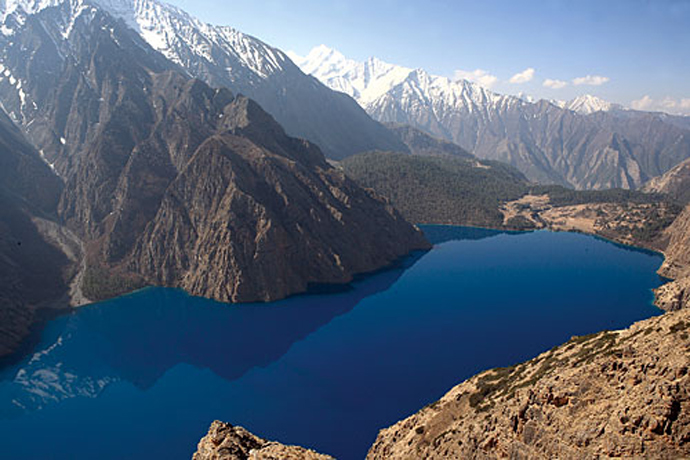
Running out of ideas for treks this spring? Is there a motorable road now along the trail that you always wanted to hike on? Fear not, Nepal still has plenty of places on offer. On the occasion of the 700th issue of Nepali Times we bring you a list of seven new and old wonders of Nepal that are waiting to be re-discovered.

The new ABC
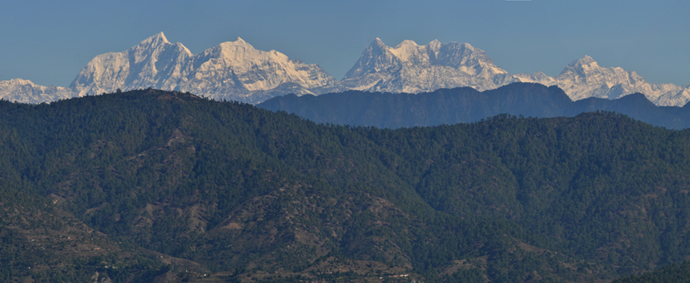
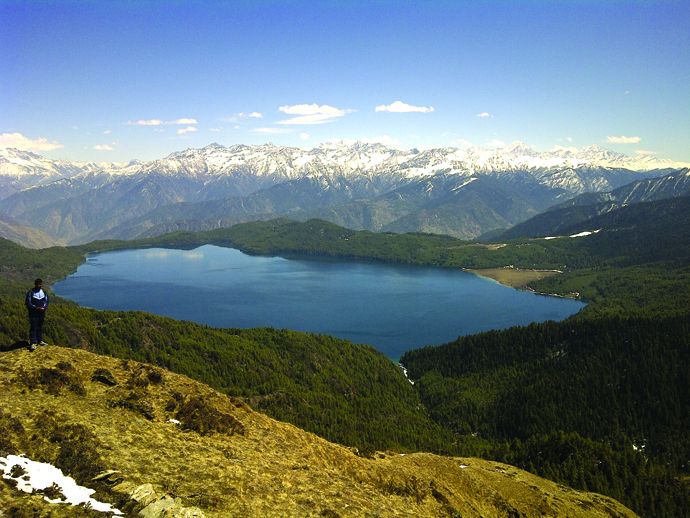
If you assumed base camp trekking meant altitude sickness and sleeping on a moraine, think again. Once at the foot of Mt Api which at 7,132m is the westernmost mountain in the Nepal Himalaya, you will camp at the edge of a coniferous forest and wake up to see the sun rise to the sound of chirping birds and a gurgling brook. Distinctly off the beaten path, Api lies in the remotest and hardest-to-get-to parts of Nepal. On the trail to Api Base Camp, you will not meet hordes of Shangri-La hunters or piles of trash, but will instead see what Nepal used to be like before opening up to the outside world and trekking started to happen. And if you are a mountaineer and feel like climbing Mt Api, do it while the waiver on climbing fees to this remote peak still lasts.
Sunir Pandey
Pulchoki Trek
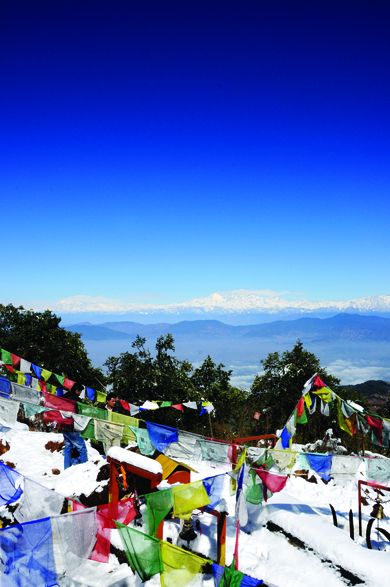
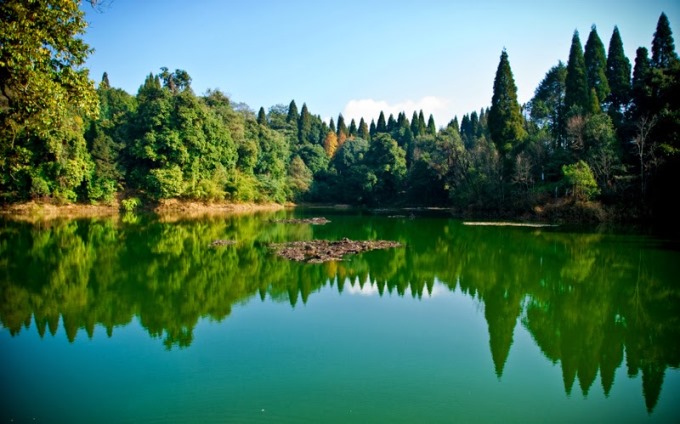
There is a mistaken belief that trekking in Nepal is all about self-inflicted hardships in the remotest parts of the country. Not so. There are plenty of enjoyable hikes around Kathmandu Valley itself, like Shivapuri National Park and day hikes up to Nagarjun or Chandragiri. But if you want to avoid other tourists and rowdy picnickers, head for the southeastern rim of Kathmandu Valley. Take a jeep up to Lakuri and start walking south along the ridge. The heavily wooded summit of Pulchoki (2782 m*) looms above you, and the sight of new highrises of Patan and Kathmandu can be seen below through the smog. To the east, the hills stretch out in shades of blue right up to the horizon. And Central Himalayan peaks from Dhaulagiri right up to Everest are arrayed to the north.
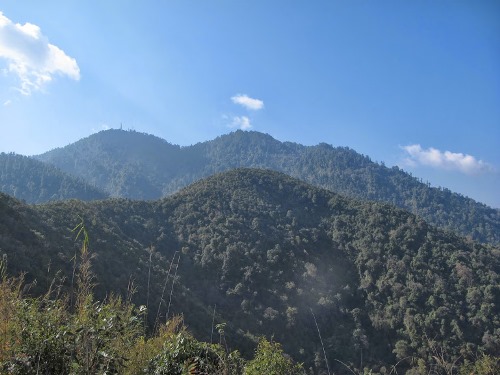
Pulchoki is a biodiversity treasure trove with more than a third of the 870 bird species, 200 types of butterflies and many plants that are endemic to Nepal. This trek is completely wild until you get down to the picturesque and prosperous villages of Rayale or Kusadevi of Kavre district where homestays are available. Our advice would be to do the six hour hike, and not be in a hurry to head back to the city. Stay up there in a Nepali village and imbibe the sights, sounds, smells and tastes of the real Nepal.
Kunda Dixit
Mohare Danda Trek
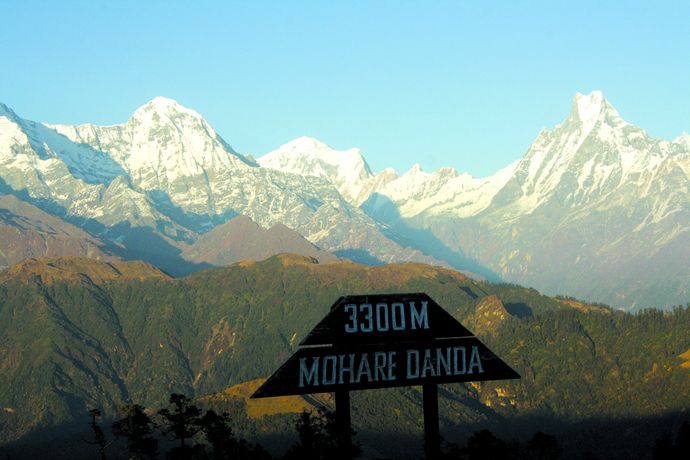
After the old Pokhara-Jomsom-Muktinath trail was connected to the highway network, many predicted trekking along the world’s deepest gorge between Dhaulagiri and Annapurna would be obsolete. Actually, it has opened up new areas made side valleys more accessible and brought the benefits of home stay tourism to the dwellers of remote villages.
Mohare Danda is the ‘high road’ alternative to the Ghorepani Trek, and follows an alternative trail up from Pokhara itself up to Banskharka, along to Nangi and Mohare. The treks are along scented forests of oak, rhododendron and spruce and sometimes along exposed ridges that offer exhilarating views of Dhaulagiri, Annapurna South dead ahead and the forked summit of Machapuchre to the east. You have a long circuit lasting a week to Dhankharka, or you can do a shorter five-day version fast-tracking through Tikot.
Mohare Danda Trek is an initiative of Magsaysay winner Mahabir Pun who has developed a unique concept of eco-trekking that benefits the environment and development of the area.
Kishor Rimal
Manang
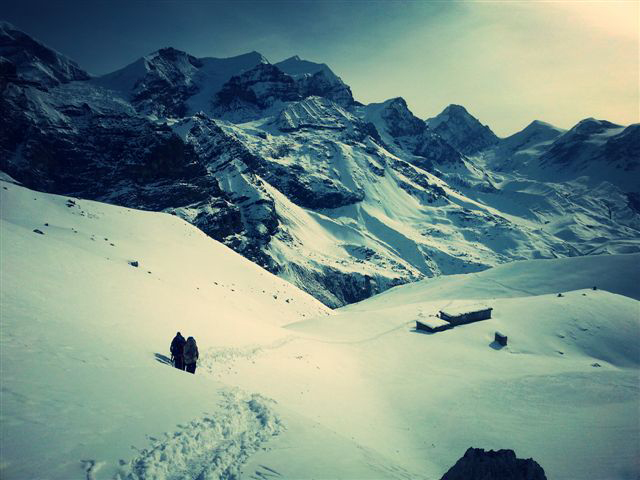
Most guide books will tell you the Annapurna Circuit Trek requires no technical climbing skill. This is reassuring. Because, that’s exactly what the three of us had: no technical skills especially to do the trek in the winter ‘off season’.
At 5,000m, the legs hurt, the lungs gasp for air. It’s 4:30 am, the temperature is -26 Celsius, and we have a final 500m to go. We make it to the pass and over to the Muktinath side, with thankfully not much wind.
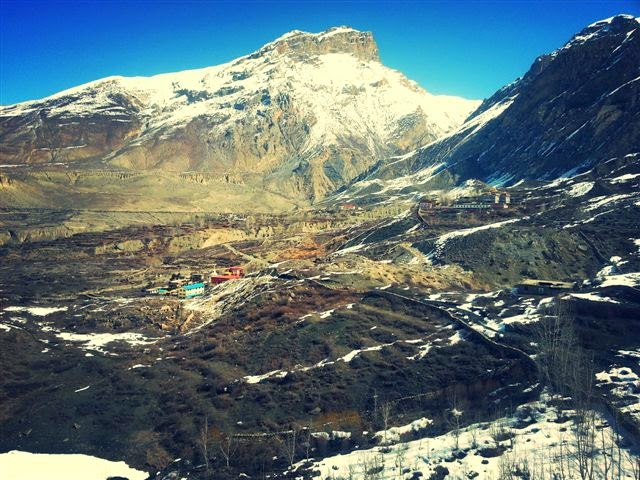
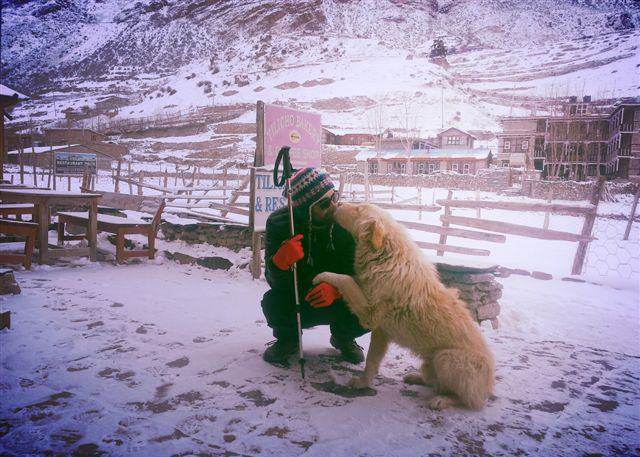
The road has reached Chame from the Manang side and up to Muktinath from the Mustang side, and now it is possible to explore side valleys of the Marsyangdi, Nar and Phu, Gangapurna Glacier, Milarepa Cave and Pisang Peak. Take the alternative route down to Jomsom via Tilicho Lake and over the wild Meso Kanto Pass. All you have to do is make sure that you are well acclimatised. Manang airport has been recently upgraded, it has some of the best bakeries in Nepal and is a great place to just hang out. Linger in Manang, exploring one of Nepal’s most scenic trans-Himalayan valleys. The great thing is that you don’t need to be a professional photographer to take pictures here, even a mobile phone will do. At first glance, I thought this was a polar bear, or an albino yeti. It was the friendly dog of the lodge owner who had come to wish us good luck in our trek over Thorong La.