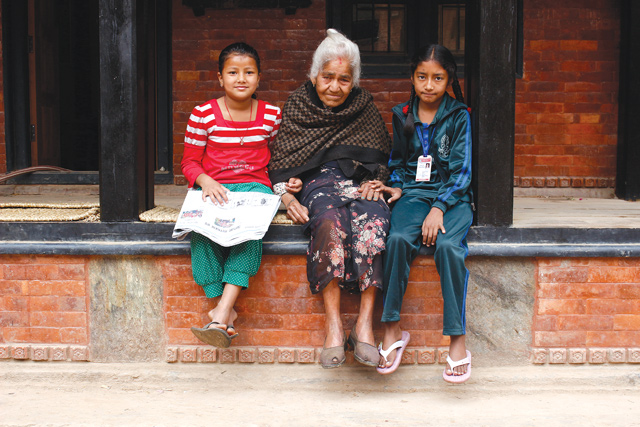
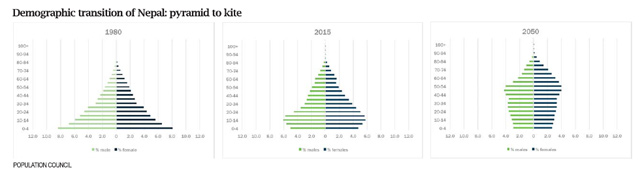
Nepalis are living longer and parents are having fewer babies, more of whom survive than ever before. This demographic transition is good news, but it also means that today’s children must be better able to take care of a larger population of elderly people in the future.
Today, about 12 working-age individuals support one ageing person in Nepal. That ratio will drop to 5.6 by 2050. Today’s children must therefore be raised to become far more productive than today’s adults by the time they grow up, according to a report launched recently by the National Planning Commission, UNICEF and the Population Council.
The report, Study on Demographic Changes in Nepal: Trends and Policy Implications, predicts that by 2028, Nepal will be an ‘ageing society’ where 7 per cent of the population is above 65. That figure will double by 2054, making Nepal an ‘aged’ society. The speed of ageing will be much faster than in countries like France (115 years), UK (47 years) or Germany (40 years).
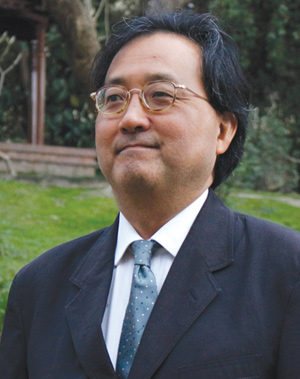
“Nepal’s transition from an ageing to an aged society is similar to Japan. This means Nepal has a very short time to prepare itself to adequately take care of a rapidly growing old population, and simultaneously continue to develop the country,” said Tomoo Hozumi, UNICEF Nepal Representative.
Tomoo adds that unlike Nepal, Japan was already a developed economy when that transition happened. Nepal is also in a ‘demographic window of opportunity’ – a period when the proportion of the working-age population is higher than the young and elderly dependents. This provides a time-bound opportunity for accelerated economic growth, and with fewer children the country can invest more in their development. The challenge is that all this needs to be done in the next 30 years.
Nepal’s fertility rate has declined from 5.6 per woman in the 1980s to 2.3 today, and it is falling. The crude death rate has more than halved and life expectancy has increased by more than 20 years since the 1980s.
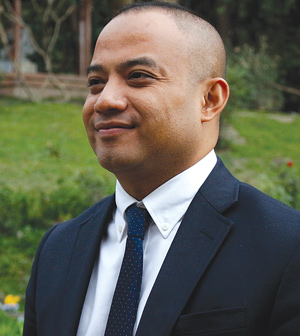
“Nepal already looks like an advanced society because our demographic transition has progressed in a very non-traditional manner in a significantly short time and at a relatively low level of development,” explained Ashish Bajracharya of the Population Council.
All this is impressive and good for the country. But experts like Hozumi and Bajracharya (see interviews) emphasise that a rapidly ageing population and a finite demographic window of opportunity also bring new challenges. Old-age dependency in Nepal is growing and will continue to rise, which means increasingly fewer people to look after larger numbers of older people. Unless younger Nepalis are raised to become much more productive, earn more and pay more taxes, the country could face a crisis.
“It is not about the number of children but about whether they are raised healthy and intellectually more capable so that they become equal to these challenges,” explains Hozumi.
Nepal’s laws need to be made elderly friendly. Currently there are almost no special provisions for the healthcare of older people. Migration and nucleating families means the elderly population is losing its traditional support base. The migration of Nepal’s working-age population also means they are not directly contributing to Nepal when the country has limited time to take advantage of the demographic window of opportunity.
“As people grow older, the problem of social security increases: the government has to come up with necessary care and resources. But as more people age, the focus of healthcare will have to change and the elderly should have separate provisions for geriatric care,” says demographer Pitamber Sharma.
Nepal’s demographic transition still gives us a 30-year window of opportunity, which means we have till 2047 to prepare for an ageing society and reap the demographic dividend – the period when working-age adults outnumber dependents.
Bajracharya says policies already need to focus on reducing dependency, making the population self-sufficient through pensions and financial savings, investing in the current workforce, helping youth to improve prospects, and developing human capital and investment skills. He highlights the need to improve women’s participation in more productive sectors through later marriage and better work opportunities.
Krishna Murari Gautam, founder of the group Ageing Nepal, says young Nepalis need to be aware about what awaits them in future as they age, and to have backup systems in place if the government cannot cope with elderly care (see Guest Editorial).
UNICEF’s Hozumi concludes: “We need to urgently invest in children and their education, health and development on a priority basis. By the time they grow up, the responsibility of young Nepalis taking care of the elderly while simultaneously developing the country will increase exponentially. We need to invest in their growth so that they are capable of doing so.”