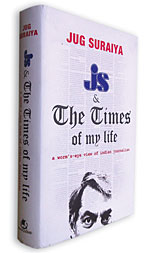
Nepali Times: Your book deals with the young JS Calcutta of the 1960s. Is Calcutta home? 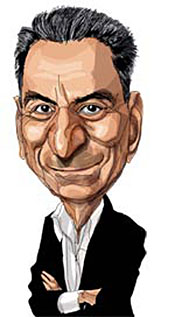
Jug Suraiya: My heart is indeed in Calcutta. But it is a Calcutta of the past, the people and places that made it what it was are no longer there. You can't call the past your home. So where is home for me? I'm not sure. But I'd like to think of home not as a geographical location but as a dispersed domain, a constituency made up of my readership. My home is where people read me.
When is it the right time for a journalist to do a book?
When the irresistible urge to do a book overcomes the almost immovable inertia of laziness. At least, that's the way it was in my case. Like Nike, I knew that I had to just do it.
What is the role for satire when everyday politics itself feels like a tragic-comedy?
No satire or spoof can be as outrageously farcical as the conduct of the great majority of our so-called political leaders, who should more aptly be called our political bleeders because by their corrupt ways they leach all the blood out of the body politic, which is you and me. Can you further satirise or spoof someone who already is a caricature of greed and arrogance? You can't. In our subcontinent, the satirist is a Don Quixote tilting against windmills in a losing battle.