Along with the Sherpa community, it is perhaps Kathmandu Valley’s Newāh Civilization that has been the most studied by anthropologists, architects, historians and social scientists.
Tomes have been written about the built environment of the Valley’s former kingdoms, the influence of Indian culture, and how it in turn inspired the temples, monasteries and monuments in Tibet, through China right up to Korea and Japan.
Lately, there has also been an attempt to recognise and preserve not just the brick and mortar landscape of Kathmandu, but also the intangible heritage of the Newāh people. A critical component of the ancient festivals in the streets, alleys and baha of the inner cities are ritual plays and dance.
Gérard Toffin is a social anthropologist with the Centre d’Etudes Himalayennes at the Centre National de la Recherche Scientifique (CNRS) in France, and has been researching in the region since the early 1970s, focusing on Newāh society and especially its Jyapu farmers. Lately, his work has focused on indigenous theatrical performances, and how they are evolving with modern influences.
RECORDING RITUALS
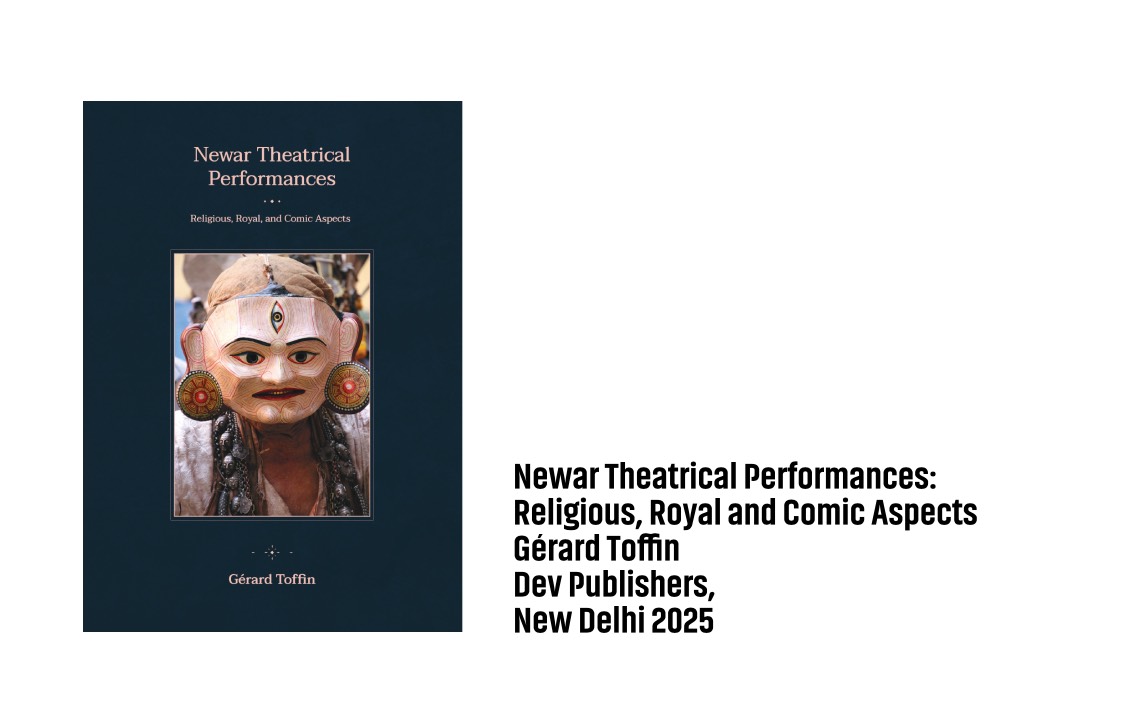
The result of his study is this hefty ethnographic book, Newar Theatrical Performances: Religious, Royal and Comic Aspects, delving into sacred performances. This is the first-ever detailed documentation of the minutest aspects of traditional plays and holy ceremonies of Kathmandu Valley.
This book is not for the package tourist on a quick walkabout of Patan, the details and terminology can be daunting even for natives to navigate. But this is what social science research is supposed to do – take a deep dive into cultures that we take for granted either because we are a part of it, or because we have never bothered to find out its meaning.
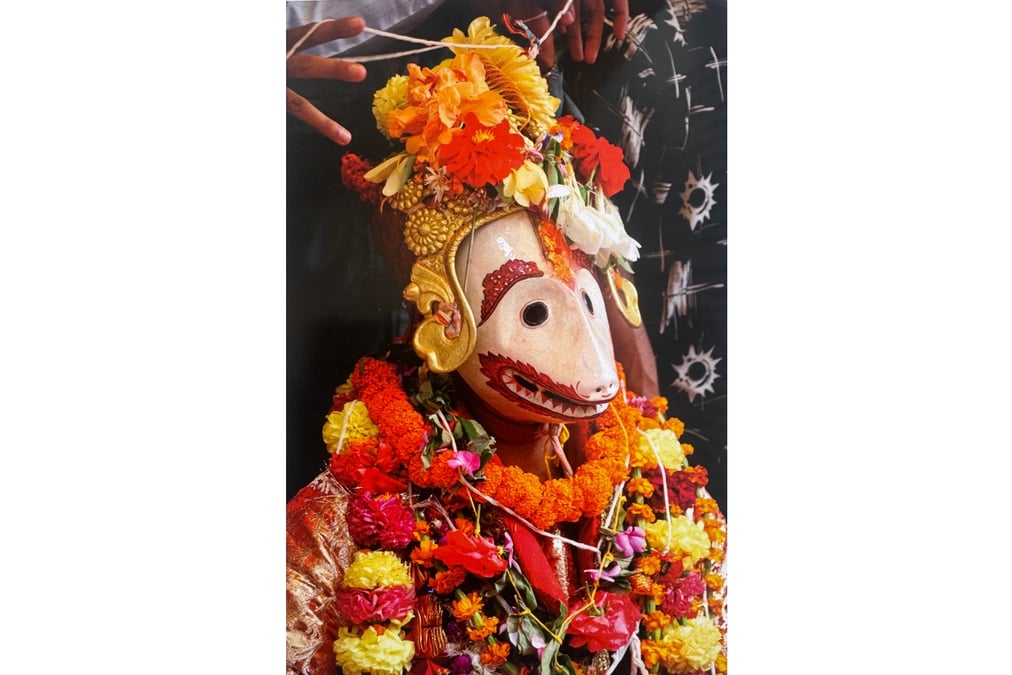
Dance forms with mythological themes, masked processions, gestures, facial expressions of the performers, have all been passed down from one generation to the next, adhering to age-old codes.
The world is moving at an accelerated pace because of TikTok-induced globalised connectivity, but traditional gender or caste dynamics and hierarchies are carried over intact in many of these performances. It is as if traditional theatre itself is a time capsule giving us a peep into the past.
Some of the performances and dance are in danger of going extinct as the population ages and the young migrate out. However, there has been a cultural renaissance among the Newāh guthi overseeing these ritual plays, dances, or chariot processions. The next generation of apprentices are being trained. This pride in heritage means that Kathmandu Valley civilization is not as endangered as it may appear.