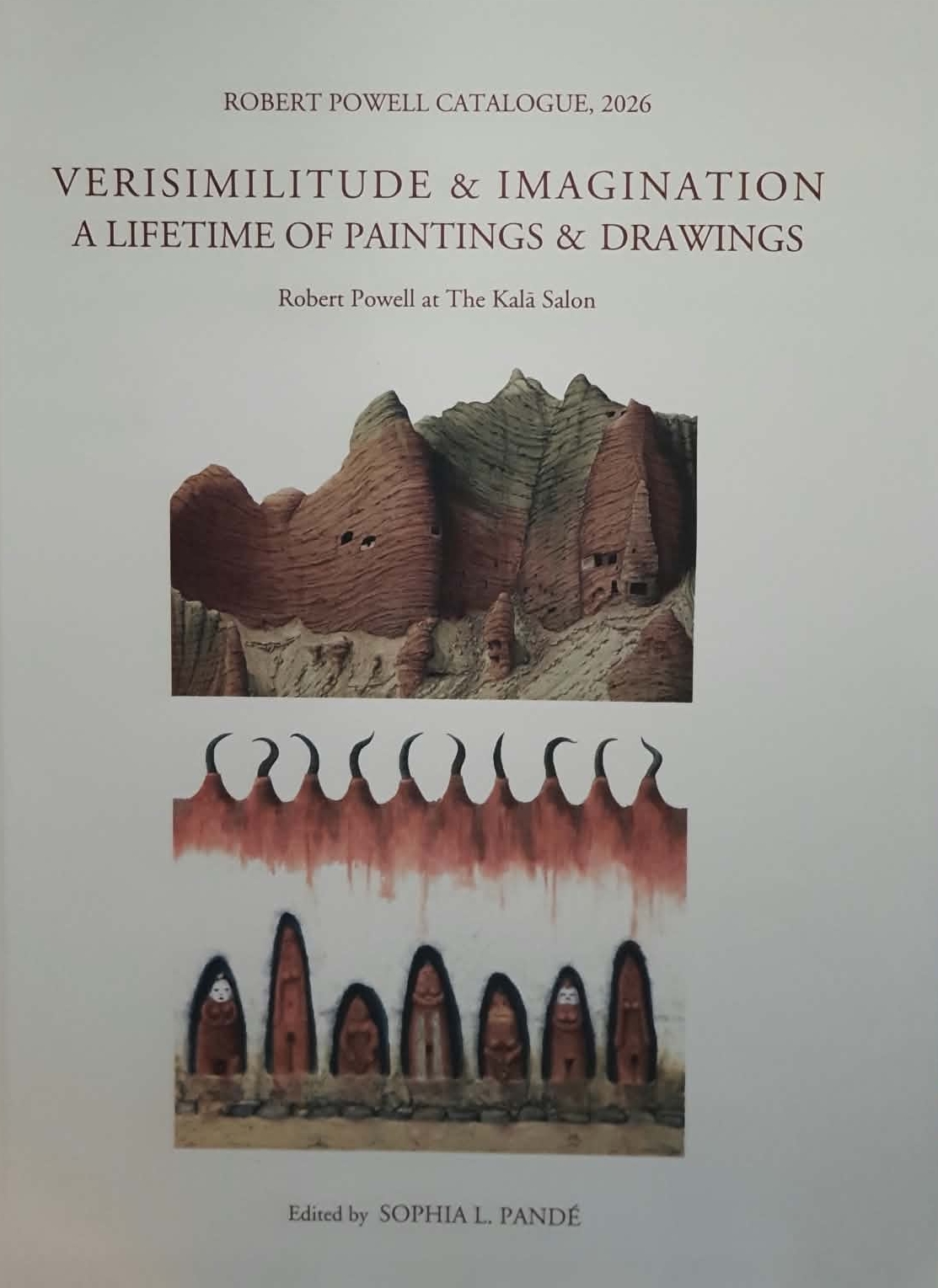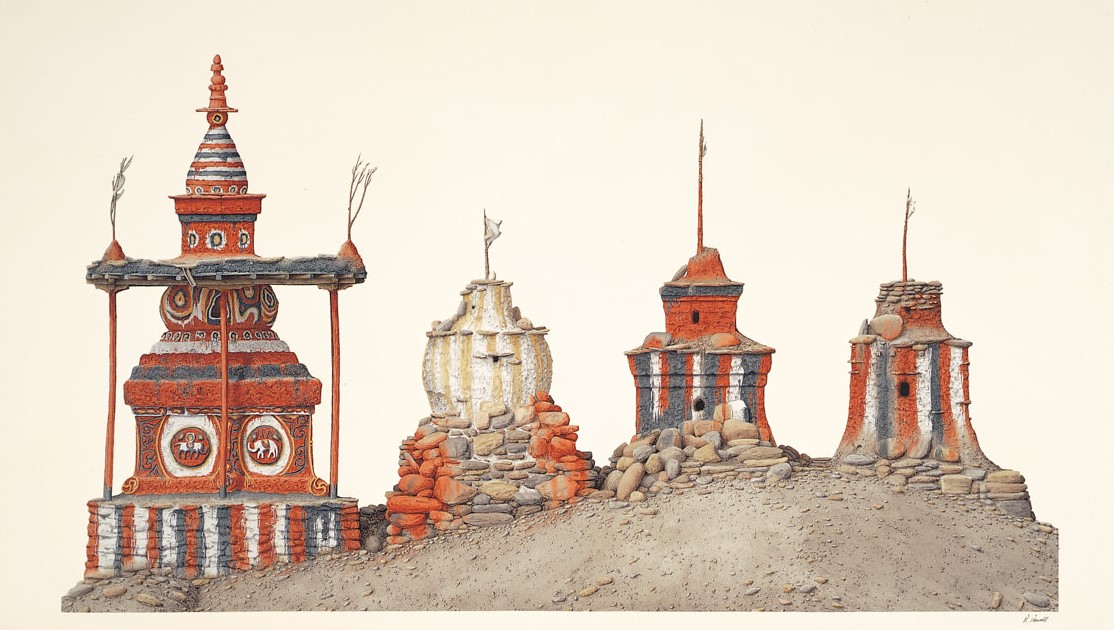
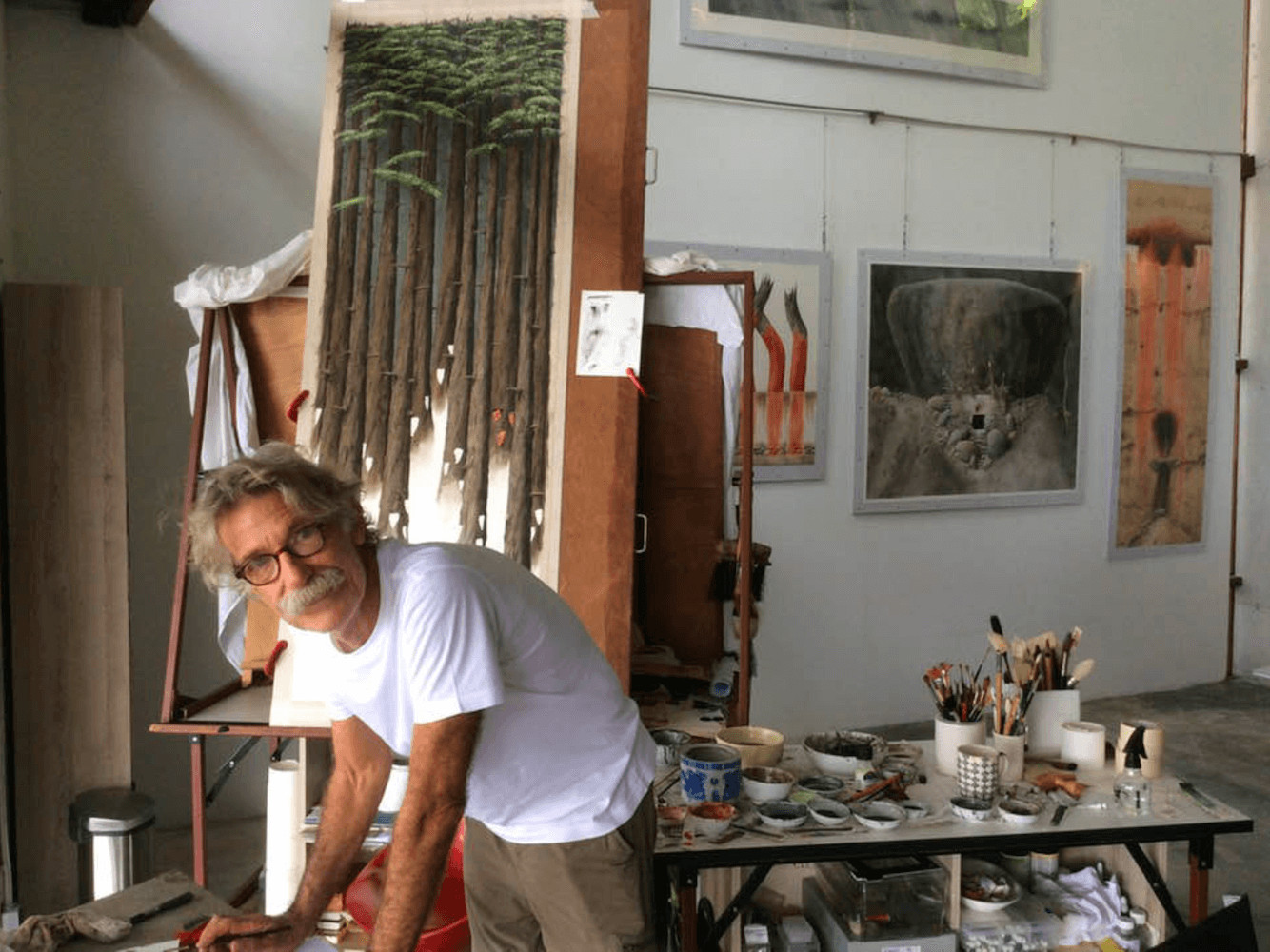
Australian artist Robert Powell left a prodigious body of work across Asia that spanned Swat Valley to Angkor Wat, but it is the paintings he made while living in Nepal over 30 years that stand out.
An architect by training, the paintings show meticulous draughtsmanship and careful rendering of the colour, texture and form of Nepal’s living spaces. Powell is said to have counted every brick on the façade of the Kutu Math in Bhaktapur, or the stones in the foundations of Lo Manthang chortens before painting them.
The paintings have an almost photographic accuracy, which is why it is surprising to learn that most of his paintings were not done in situ, but back in the studio based on pencil sketches, photographs and notes he took of the site.
Powell’s prints were sold in limited edition, and many of the originals are with collectors all over the world. Now, Sophia L Pandé of The Kalā Salon in Kathmandu is curating a retrospective in 2027.
Originally planned for the Kathmandu Triennale in 2020, which had to be postponed because of Covid and Powell’s passing, the much-delayed exhibition will celebrate a talented artist who passionately loved Nepal.
But Powell rarely painted people, focusing instead on structures people built to understand them better. In that sense, his paintings represent a visual melding of architecture and anthropology. They tell stories of traditional buildings and landscapes weathered by rain, wind and time, documenting with even greater accuracy and depth than photographs.
TESTIMONIALS
Ahead of the retrospective, Pandé has come out with Robert Powell Catalogue, 2026, Verisimilitude & Imagination: A Lifetime of Paintings and Drawings. Calling it a catalogue is perhaps an understatement, since the harcover book is a collection of tributes by people who knew Powell well (Niels Gutschow, Niranjan Kunwar, Sangeeta Thapa, Lisa Choegyal, and his wife Lieve Aerts) as well as a ‘magnum opus’ by artist-architect Ross Feller.