
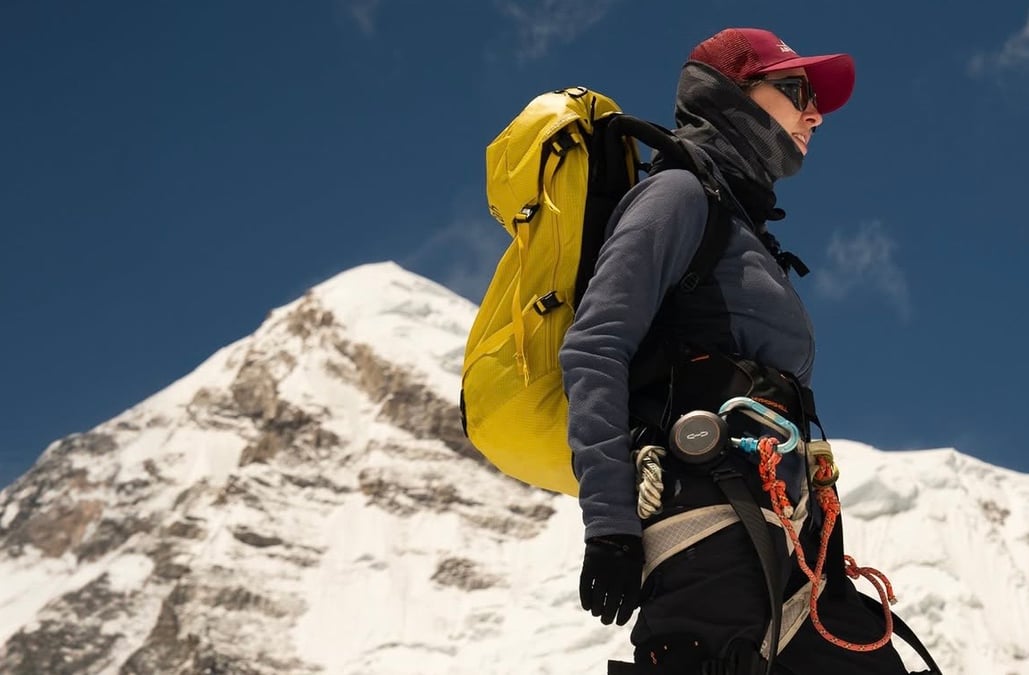
During the spring mountaineering season this year, exoskeletons helped some climbers summit Mt Everest. Wearable robotic assists are here, and already poised to bring the biggest revolution in Himalayan climbing since bottled oxygen.
Elderly pilgrims with mobility issues can circumambulate Mt Kailash with help from Arc’teryx MO/GO hiking pants fitted with battery-powered carbon fibre springs. In China, Kenquin Technology has already started renting out π-series exoskeletons to help tourists climb up Mount Tai.
Exoskeletons are wearable robotic frames that attach to legs, hips, and lower backs and provide powered assistance in walking, climbing, or carrying weight.
There are two batteries that give them a range of 30km of hiking or 4 hours of climbing. In Nepal’s mountains, this technology can offer mechanical relief for porters and high altitude rescue teams by reducing their effort by between 20-40%.
“Mechanical aid will likely find a way into the mountaineering sector,” predicts Ben Ayers, a NatGeo explorer and co-founder of the YouTube site, Everest Live. “If there is demand, they will be embraced by the industry.”
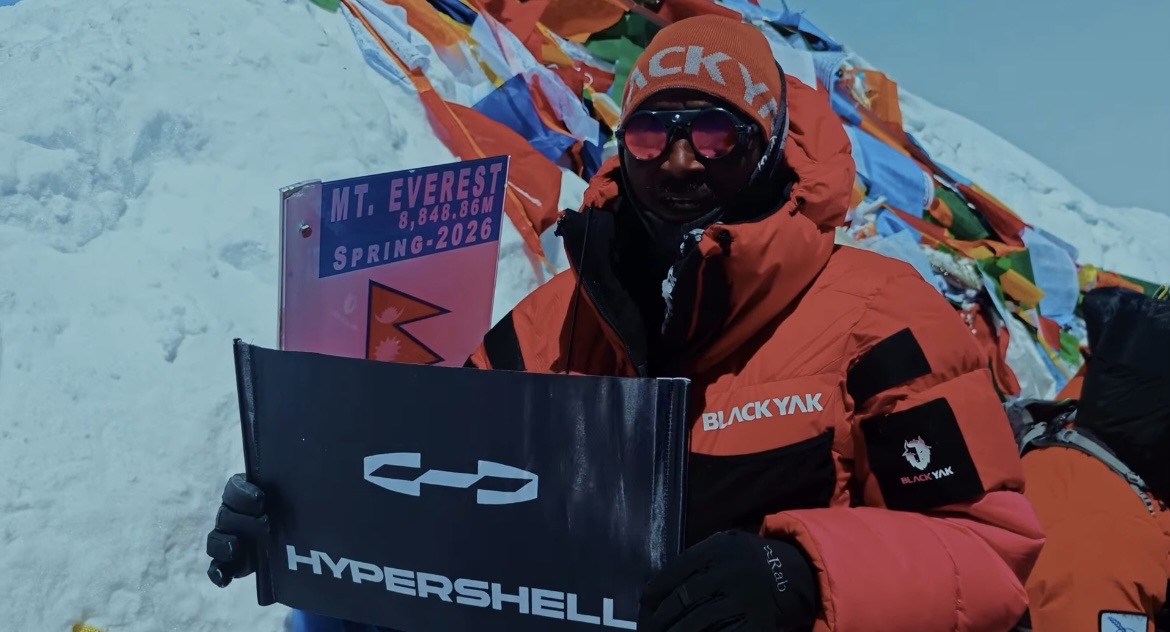
However, when adapting to any new technology, its implications, benefits, and possible risks must be weighed with the advantages. Exoskeletons raise serious questions about who benefits, who carries the risk, and what remains of the pure human challenge of mountaineering.
It is possible that the technology will first arrive in the guise of safety, but since its appeal runs deeper, expeditions clients will seek easier and faster ways to climb 8,000m peaks in Nepal, and the technology-friendly industry will be only too glad to help.
Just as there is an age-old debate in mountaineering between alpine style and siege style climbing, or between those who use high altitude guides, porters and bottled oxygen, and those who do not, there will be a similar argument to classify successful summits as being ‘exoskeleton assisted’, or not.
Last year, there was a lot of hoohah about British ex-army climbers on Mt Everest that reached the peak in five days from London because climbers first acclimatised in normobaric hypoxic tents and breathed xenon gas. Purists described it as cheating.
Ayers predicts that exoskeletons will also spread to other eight-thousanders like Lhotse, Makalu, Annapurna and Dhaulagiri in the coming years. The question, then, is not whether the technology will be available but how they reshape an industry that is already dominated by commercial expeditions using fixed ropes, siege tactics and hundreds of support staff.
PURE MOUNTAINEERING
The arrival of exoskeletons revives a longstanding debate on what actually counts as ‘real’ mountaineering. To assess its implications, it is first important to note who is having this debate.
The objections to technology in climbing, Ayers argues, are not coming from Nepalis at all: “People who are pushing for purity are foreign elite climbers. The idea of purity is a bit of a regression. You have to look at this as a business endeavour.”
Indeed, the alpinism versus mountaineering debate has never carried much weight in Nepal, where large commercial expeditions are the norm, they contribute to the national economy and employ tens of thousands of people.
Alpinist Billi Bierling of Himalayan Database points out that these standards have shifted before, citing the use of supplemental oxygen as once controversial, but now regarded as routine.
“Mountaineering ethics were thrown out the window a long time ago. Things like oxygen and cable cars have been done in Europe for so many years, and we don’t worry about them. There will always be opponents of new technology in the mountains, but frankly, climbing ethics no longer exists in commercial mountaineering.”
She also notes a double standard in how new technology is judged. In Europe, most people ride cable cars to the Aiguille du Midi and start Mont Blanc expeditions from there, but no one calls it cheating. The Himalaya is much higher, and much more dangerous.
The more serious concern is about porters who literally bear most of the burden and carry more risk during climbing expeditions. There is a direct parallel here with supplemental oxygen.
Oxygen gives paying clients an advantage and life-saving help in the Death Zone above 8,000m. But it needs an army of porters to carry those oxygen bottles to high camps.
The porter who is usually not on high-flow oxygen, must keep up with clients who have an artificial advantage and thus take on more risk to do it.
“The same thing might happen with exoskeletons,” Ayers cautions.
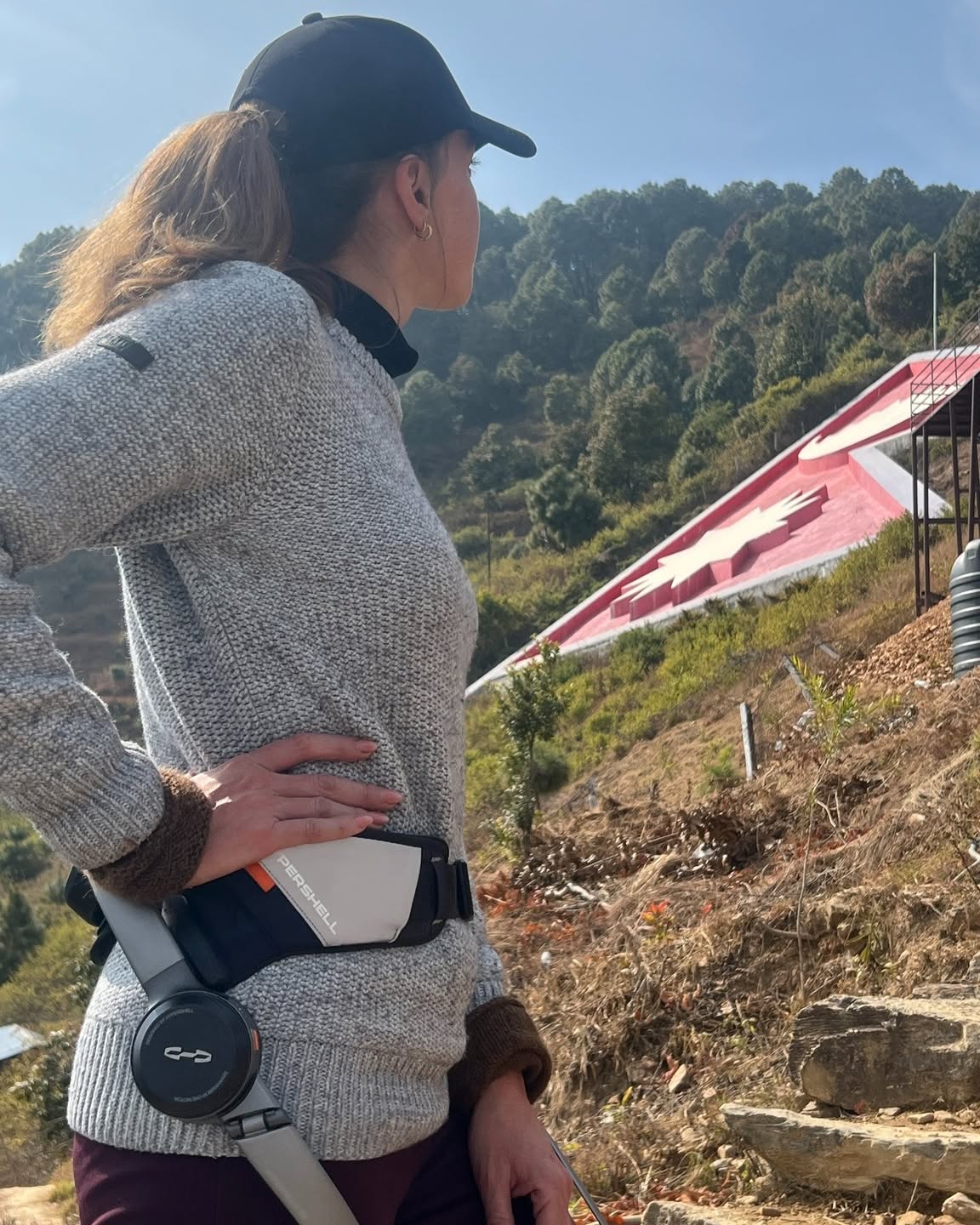
Mechanical assist harnesses like Hypershell X Ultra used for hiking and mountaineering cost $2,000, and if clients wear them while porters cannot afford to, the same imbalance persists. The climber has an advantage, and the porter has to keep pace.
The technology, Ayers warns, could disproportionately benefit less experienced climbers and risk taking porters for granted.
But if rescue teams use exoskeletons they could reach stranded climbers quicker and save lives. It could lessen drudgery for porters and reduce risk. Says Bierling: “We still need porters despite helicopters and drones. For them, it could be a great thing.”
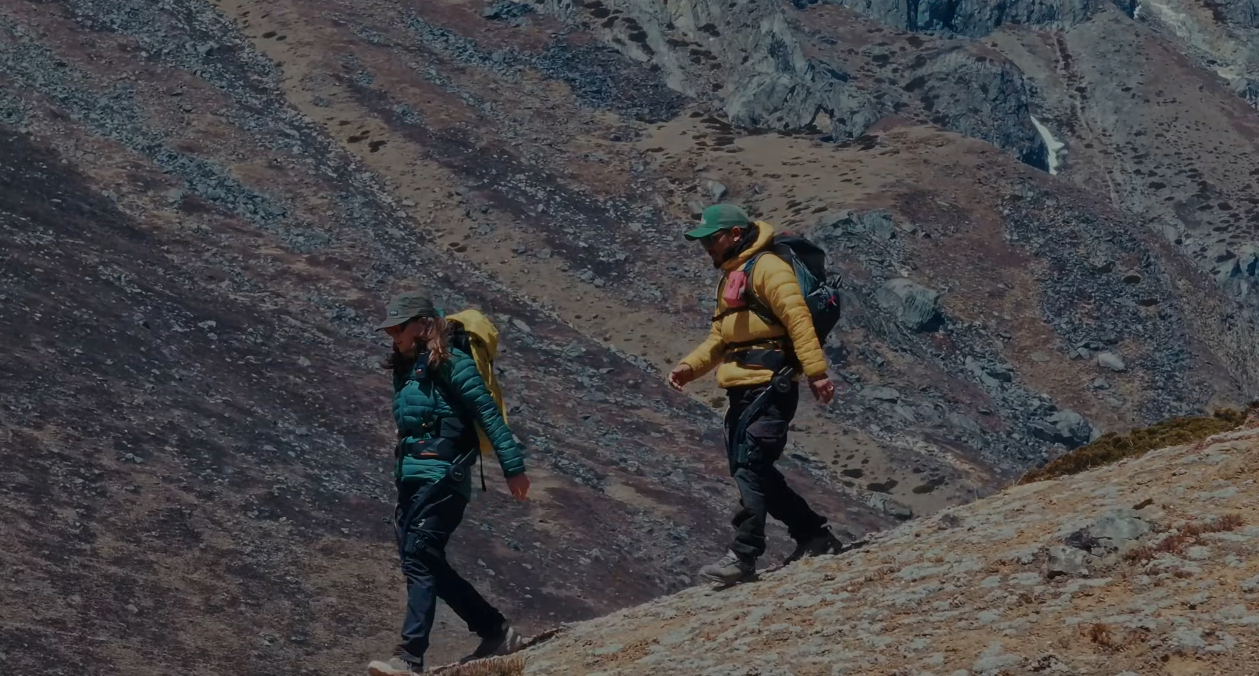
The Hypershell X series has already summited the world’s highest peak. Outdoor providers like Pumori Journeys are using them in Kathmandu Valley hikes (pictured, left). And RoboCT’s assistive exoskeleton aided climbers on the slopes of Mount Kailash for cleanup and conservation work.
For now, the technology is marketed as ‘assistance’. Whether it stays that way or becomes another advantage to only those who can afford it on the world’s highest mountains is an open question. It also opens the issue of what kind of regulation, if any, the Nepal government intends to impose on their use.
If exoskeletons are adopted without proper safeguards, it could risk the safety and business of both valley- and high-altitude porters – the backbone of Nepal’s mountaineering sector which brings in $8 million just in royalties and another $200 million in trickling down to the economy.
The conclusion of experts is that if Nepal wants to fully embrace exoskeletons, appropriate policies are needed so that a tool meant to lighten the load does not add to it.