
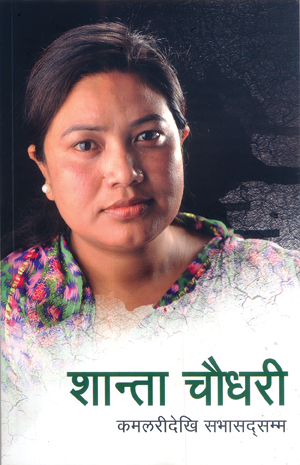
by Shanta Chaudhary, Sangri-La, 2013
Rs 250
Although slavery was outlawed nearly a century ago and the Kamaiya culture was made a criminal offence in 2009, the practice is so ingrained in the Tarai that it is still accepted. In most cases the parents of the girls themselves sell or rent their daughters to landlords in auctions to reduce the burden of having to take care of them.
Shanta Chaudhary was one of them. At the age of eight, she was leased for Rs 7,000 a year by her parents who had nine other children and sent off to work in a family in Dang. She was homesick, had to work 19 hours a day, and live in the cowshed. When she made mistakes Shanta was rudely reprimanded by the landlord’s wife and sometimes beaten.
Shanta yearned to wear a clean uniform and go to school like the children in the family she worked for, she wanted to eat rice like them. During the rainy season, when she got sick, there was no one to take care of her and she missed her mother terribly. There were also decent households where she was treated well and she used to go to watch movies with the landlord’s daughter.
Most kamlari girls face rape and abuse, so when Shanta became a teenager and had to fend off aggressive, unwanted advances from men, she got married to a friend for companionship and to keep herself safe. Her first son is handicapped, her second baby died of undernourishment, and when she tried to break free village goons set fire to her hut.
Unlike other kamlari girls, Shanta decided to do something about the injustice and became an activist. She joined the UML party and became a nominated member of the Constituent Assembly so she could realise her dream of a Nepal free of the exploitation, discrimination, and abusethousands of other women like her had to suffer.