Britain and Nepal are marking the bicentenary of diplomatic relations this year, and the start of the recruitment of Nepali soldiers in the British Army in 1816 is garnering a lot of attention. But less well-known and even older than the establishment of bilateral ties is the involvement of British botanists in documenting Himalayan flora.
It was in 1802 that Scottish naturalist Francis Buchanan-Hamilton of the Royal Botanic Garden Edinburgh (RBGE) made the first expedition to Nepal to collect plant samples. Buchanan-Hamilton’s work was way ahead of its time, and yielded samples and exquisite drawings of plants found along the southern slopes of the Himalaya in Nepal.
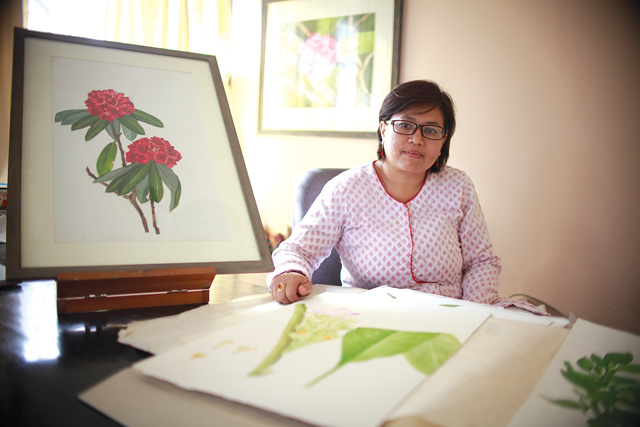
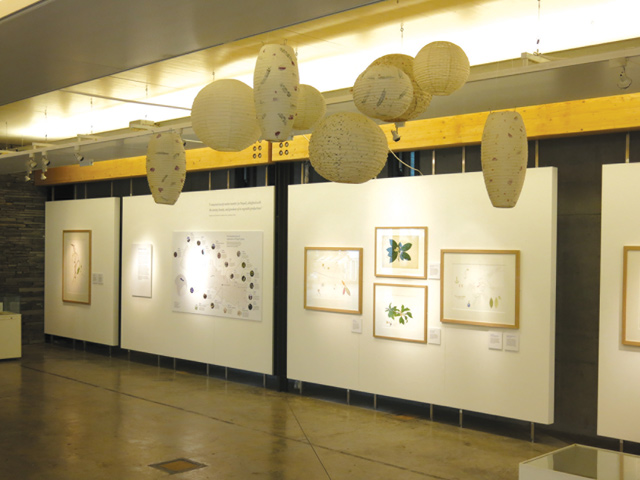
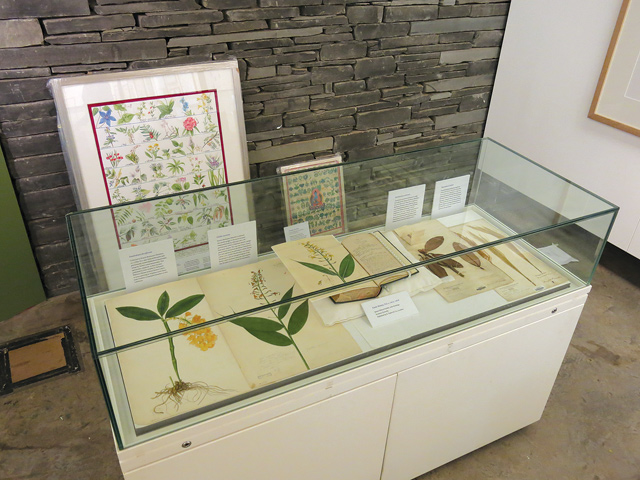
It’s no wonder that Buchanan-Hamilton is called the ‘father of Nepali botany’, and the tradition started by his expedition 214 years ago has continued with a collaboration between British and Nepali botanists and artists. The ongoing 'Flora of Nepal' exhibition at the RBGE has on display dried herbarium pressed samples, and drawings from Buchanan-Hamilton’s expedition as well as more contemporary ones by botanical artists, including Nepal’s own Neera Joshi.
During his year in Nepal in 1802, Buchanan-Hamilton collected and documented over 1,100 plant varieties, most of them new species at the time. Some of them were meticulously rendered by a Bengali expedition artist in coloured drawings, and selected ones are on display in Edinburgh.
Nepal’s topographical extremes — stretching from tropical plains situated 80 m about sea level to elevations of nearly 8,900 m — give the country an exceptional floral range. There are more than 7,000 species of vascular plants here, many of them found nowhere else: 2,000 of them have medicinal properties, and 600 are edible. Nepal is classified as a Global Biodiversity Hotspot because some of these species are endangered due to habitat loss.
The 'Flora of Nepal' project spearheaded by the RBGE is a continuation of the research of scientists like Buchanan-Hamilton, and puts together the first comprehensive listing of Nepal’s plants. With more than 100 botanical experts from Britain, Nepal and Japan on board, the project illustrates, collects and studies the plants, hoping that the knowledge can be used for biodiversity conservation.
www.floraofnepal.org The botanical art exhibition titled ‘Flora of Nepal, a 200-year Connection’ (pictured, left) runs until 6 November at the Royal Botanic Garden Edinburgh, Scotland.
Flower power
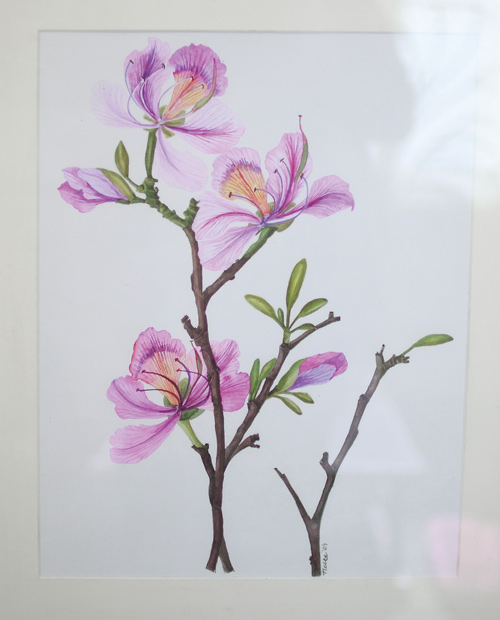
Last March, seven botanical artists from the Royal Botanic Garden Edinburgh (RBGE) trekked across Nepal to study its rich flora and conduct botanical painting workshops for Nepali students. A number of their detailed botanical drawings are on display at an exhibition at the RBGE to commemorate the bicentennial of Britain-Nepal diplomatic ties. The artists also collected information about local names and the traditional uses of the plants.
Botanists prefer drawings of plants to photographs because the illustrations can depict significantly more information about the life cycle of the plant, represent cross-sections, and magnify interesting parts. Colours, textures and the structure of the plants can also be conveyed with greater accuracy.
The drawings build on techniques perfected by Scottish naturalist Francis Buchanan-Hamilton, who visited Nepal and recorded its plants in 1802. His team collected samples and produced drawings while walking through the mountains. These specimens and drawings are in the Buchanan-Hamilton archives at the Linnean Society of London, and some of them have been taken out for display at the 'Flora of Nepal' exhibition at the RBGE for the next two months.