
Barring Nepali women from working as housemaids in the Gulf is both unenforceable and harmful
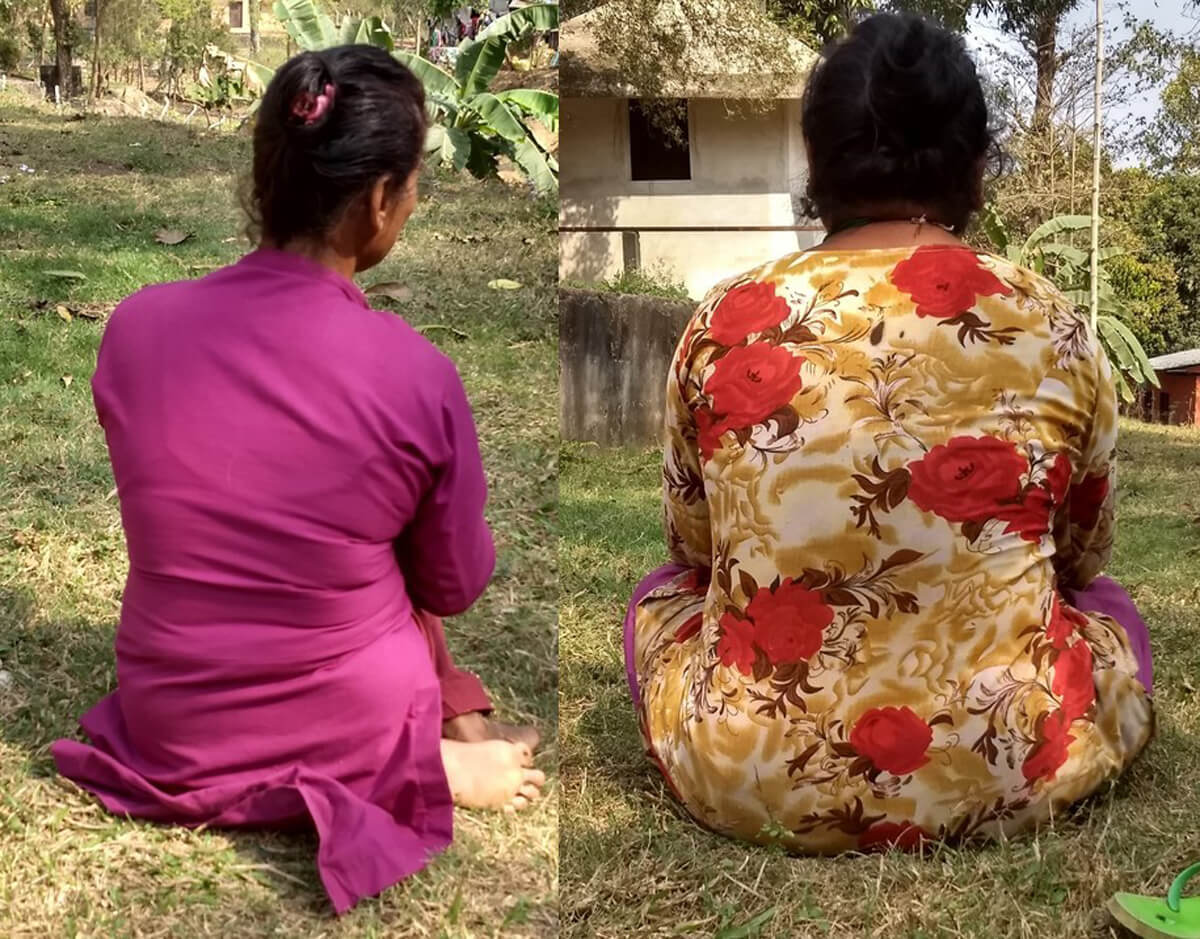
After high profile cases of abuse of Nepali domestics, the government has banned women from migrating for domestic work since early 2017. But outlawing it has driven recruitment underground, increasing the exploitation and risk for Nepali women. Women are still finding unauthorised ways to get to West Asia overland through India, or taking circuitous flights via Sri Lanka. Many end up being trafficked en route, and are abused or underpaid by employers.
Sarita has just returned from Lebanon, and was among the throng lining up outside the UAE Embassy in Lazimpat this week waiting to get her police report stamped.
“I will again go as a housemaid, what else?” says Sarita adamantly. Asked if she is aware of the blanket ban on domestic workers, she replies with a smirk, “There are ways.”
Hari is a recruitment agent and says the ways to bypass the ban are “open secrets”. The government, recruiters, and migrants all know that outlawing overseas domestic workers has encouraged trafficking, and yet no one is willing to lift the ban.
Renu from Kavre has just returned from Kuwait after travelling there via India. She says: “I would have preferred to go for a company job, but domestic work did not cost me anything.”
Indeed, domestic workers do not have to pay recruitment fees, and in the few cases they do, it is significantly lower than the $1,000 other workers have to pay for other jobs. This has made domestic work accessible even to the poorest Nepali women.
Rama is a local recruiter in Chitwan, who referred to herself as a ‘guardian’ of domestic workers as they make their risky journey overland via India to the Gulf. She tells the women to travel as unobtrusively as possible so they are not detected on the Indian border, and she escorts them until they fly out from Mumbai or Delhi.
Recruiters do not charge fees because they are compensated so handsomely by employers in the Gulf where there is such high demand for Nepali housemaids that most women are sold off as soon as they get there. Since the employer has ‘bought’ the domestic worker, the chances are higher of her being abused or not paid.
Recalls Renu about her ordeal: “At the agent’s office in Kuwait, we were treated like goats. Employers walked in and checked us out, haggled and handed cash to the agent on the spot. We were sold like livestock.” The women are treated rudely by the Nepali agent if potential employers do not choose them. Women who are sent back by unsatisfied employers are treated even worse. Some get picked to be sold after weeks of waiting.