
Watching Wimbledon tennis, we hear about the great care required
to keep the grass courts in perfect condition. We are also subjected to in-depth
analyses of the groundskeeper's efforts in preparing the cricket pitch to favour
the home team. We see the immaculate condition of soccer fields before a game
starts.
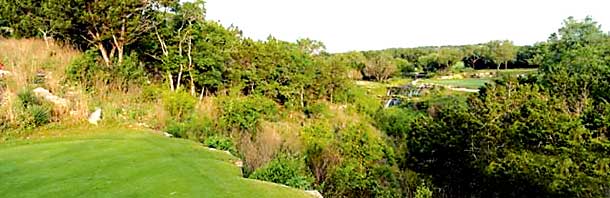
A golf course is all these added together and multiplied ten fold. Over
100 acres of undulating fields with different varieties of grass, cut to
different specified lengths, right down to the putting greens, are trimmed
evenly to measurements in millimetres. Lakes, ponds, streams, sandy bunkers,
thousands of trees, flowers and shrubs: who is responsible for what appears to
be a Herculean task of keeping all these elements in good condition?
A
lot of possible headaches in golf course maintenance are minimised with good
course design, construction and landscaping. However, no matter how much
foresight and design skills are employed during construction, the reality is
that keeping an immaculate green is an ongoing and demanding prospect.
Once the course is built, it starts to mature and nature steps in.
Without intensive maintenance, the course soon degenerates, as often seen in
under-funded or loosely managed facilities.
In most parts of the world,
sophisticated machinery and expensive organic and inorganic enhancers play a
much more important role than humans. However, in Nepal and other less affluent
countries, it is preferable to make use of people, providing much needed job
opportunities.
Work on the golf course starts well before sunrise-to
ensure it is playable for the early morning enthusiasts, and carries on until
close to sunset. Some of the daily tasks include cutting greens and fairways,
watering the grass, applying required pesticides and fertilisers to keep the
grass healthy, planting and trimming the flora, smoothing out sand bunkers and
the never-ending removal of weeds.
Most of the maintenance team start
out in easier jobs. With training and experience they work their way up to more
complex tasks of cutting the greens and applying exact doses of fertilisers and
medicines. For example, Bacchu Ram Pandey at Gokarna Golf Club began as a layman
but today has adequate knowledge to handle the greens. Recently when I commented
to him that hundreds of visitors have shown great appreciation for the smooth
greens at Gokarna, he replied, "I really enjoy my job and we are all lucky that
golfers enjoy the playing conditions of this course. We try to give our best to
keep it in this condition."
It is quite natural that, as in many other
fields, people forget the ones who work behind the scenes. It is no different on
golf courses and we should remind ourselves of this and appreciate the hard and
dedicated work put in to keep the environment at these enjoyable levels.
Even a slight loss of concentration while performing sensitive
maintenance tasks can spoil the playing conditions, which immediately invites
criticism from discerning golfers. However, don't forget the converse: give
encouragement for a job well done!
Most comments from visitors are
compliments on the great design of the course or the beautiful natural
conditions. Occasionally, when we receive a compliment like this one from a
visitor from across the world-"Wow, the course is playing wonderful, the greens
are true and very well manicured and the bunkers are great even after it has
just rained!"-we smile and let them know that they are appreciating the work of
our maintenance staff.
Deepak Acharya is a golf instructor and Head Golf
Professional at Gokarna Forest Golf Resort & Spa, Kathmandu. prodeepak@hotmail.com
Behind the green
Never forget that perfect grass is a lot of work
Published on