
|
|
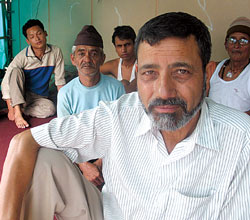
It has now been 16 years that more than 100,000 Bhutani refugees have been living in camps in eastern Nepal. A whole new generation has been born and grown up there.
It was no use expecting anything good to come out of bilateral talks between Bhutan and Nepal in the past decade. The Bhutanis were cynically prolonging the meetings to buy time, and a succession of feeble and distracted Nepali governments bungled the whole thing. The political deadend and compassion fatigue have now reduced the level of assistance to the camps, spreading despair.
The UNHCR and some western countries have been pushing for a solution through third-country resettlement of some of the refugees in return for Bhutan taking back a token number and allowing most of the other refugees to assimilate into Nepal and India. The Nepal government and refugee leaders have opposed the idea. But now the new government in Kathmandu has said third country resettlement could be the basis of settling the crisis once and for all.
We understand that a majority of the refugees want to go back to Bhutan ('No place like home', #306). To treat the refugees as political pawns, to allow an undemocratic regime to get away with a massive violation of the human rights of its citizens would set a precedence for ethnic evictions elsewhere. At a time when the international community talks about 'humanitarian intervention' it is surprising to hear it justify refugee resettlement because "there is no other solution". Since when did a tiny country that has evicted one-sixth of its own people have such geopolitical clout?