
Not investigating war crimes ensures that war wounds never heal, and violence will continue in a climate of impunity
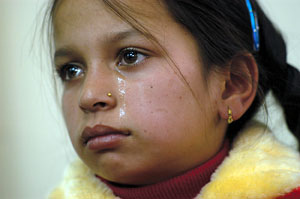
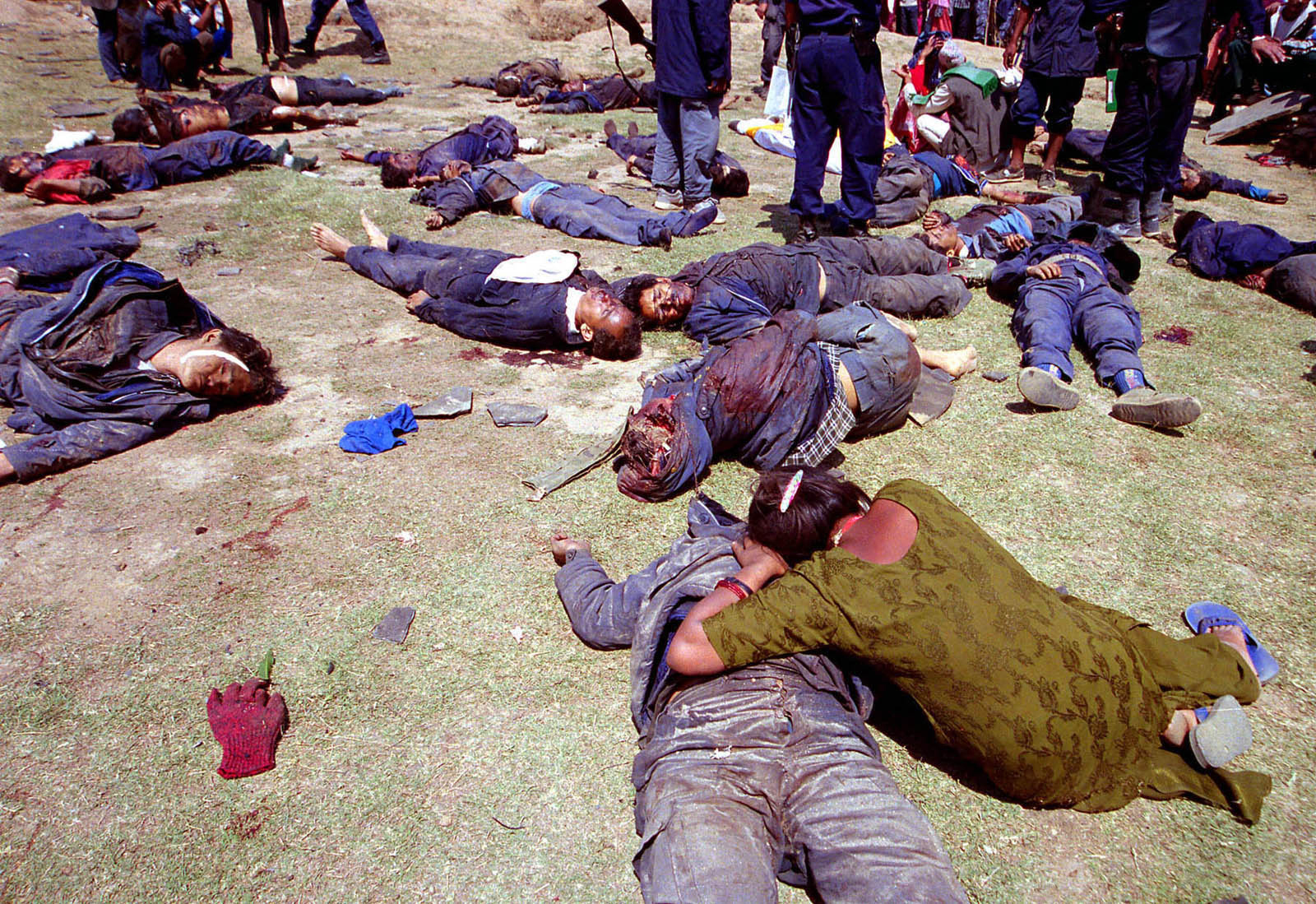
Among the most iconic images of the Nepal conflict is the photograph of a woman embracing the body of her dead husband on a blood-stained battlefield littered with the bodies of other policemen executed after capture. Grisly as this picture is, it is another picture from Dailekh of a young girl with tears streaming down her cheek that is actually even more disturbing.
That girl is weeping silently as her mother, Laxmi, tells a press conference in Kathmandu in 2005 about the disappearance of her husband, Dekendra Thapa. Like tens of thousands of other personal tragedies of the conflict, the girl’s story would have been forgotten had it not been for the personal crusade for justice of her mother, Dailekh’s journalists and human rights activists. Nearly seven years after the war ended, a courageous district police inspector doggedly pursued the case and finally arrested four of those involved in the torture and murder of the girl’s father, Dekendra Thapa. Just when it looked like justice was a mirage, this case has become emblematic of the war crimes committed by both sides that have remained unaddressed.
 Bikas Rauniar /A people war
 Chandra Shekhar Karki / A people war
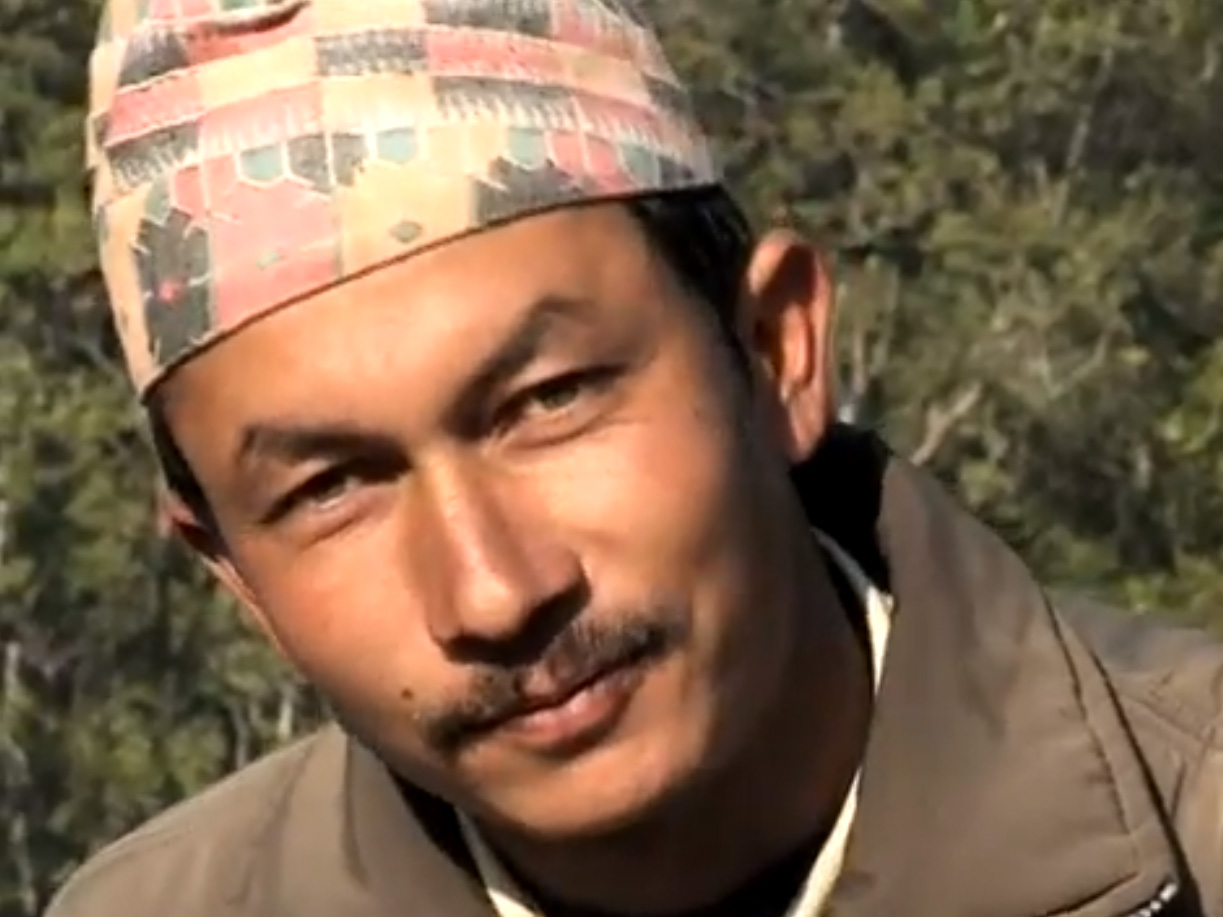
Laxmi Thapa kept up the pressure, even while the conflict was raging, to find her husband and punish the guilty. The burial site was finally found, and forensic examination showed that Dekendra’s mouth was wide open when he died, his femur and elbow were broken, evidence of having being buried alive after severe torture.It was the summer of 2003, and the Maoists had laid siege to the district capital of Dailekh, cutting off its water supply. After nearly two months without water, a few journalists led by Dekendra Thapa dared to walk up to rebel-held territory to negotiate. The team was abducted and led away, and while the others were released after two weeks the Maoists kept Dekendra Thapa and put up posters in the district detailing 10 reasons why they executed him. His body was not found.
The case filed with the police languished for eight years, no one dared investigate as the former rebels went on to win elections and come to power. Finally, it was Inspector Binod Sharma who had the courage to investigate and follow the trail to the house of Lacchiram Gharti, who confessed to being ordered to torture Dekendra. Gharti readily agreed to be arrested, saying he had been consumed by guilt and haunted by Dekendra’s ghost ever since he buried the journalist while his heart was still beating.
 Dekendra Thapa. Photo: Dhruba Basnet
While Dekendra’s killers are willingly going to jail to atone for their crime, in faraway Kathmandu Maoist Prime Minister Bhattarai and his crony Attorney General Mukti Pradhan have been trying their utmost to quash the investigation. They don’t want the masterminds of Dekendra Thapa’s torture and murder to be arrested, and the case to set a precedence against senior party leaders. The Maoist-led coalition has an unwritten pact with state security not to pursue conflict-era atrocities, and to let bygones be bygones. This means there is little chance Army and Police involved in the Doramba massacre, the Kotbada killings, the torture and executions at Bhairabnath, and hundreds of cases of disappearances, rape and extra-judicial killings will ever be tried.
We saw this coming. Ever since the Bhattarai government came to power, he has dismissed more than 100 cases involving 1,715 cadres involved in atrocities during the conflict and the Madhes movement. The prime minister has made sure that senior party members, even those convicted of murder, are not just not punished but are rewarded with promotions. The list is long, but here are a few names to jog our memory: Agni Sapkota, Bal Krishna Dhungel, Prabhu Sah.
Prime Minister Bhattarai has argued that violence perpetrated during the conflict was political in nature and should be addressed by a future Truth and Reconciliation Commission. However, his ordinance bill for a TRC that is languishing at the President’s desk is a toothless farce. Bhattarai’s dirty tricks department is handled by hand-picked Attorney General Pradhan, but the buck still stops at Baluwatar.
Bhattarai says digging up war crimes will endanger the peace process. Actually, not investigating will ensure that the wounds of war never heal. The ensuing impunity has eliminated deterrence, and fostered an epidemic of crime involving robbery, rape, murder and violence against women.
Lachhiram Gharti was stung by a guilty conscience, but the real masterminds of Dekendra Thapa have no such remorse. And topmost Maoists are terrified of the payback for the terror they unleashed on the people.
Music video of Dekendra Thapa singing Karnali folk song produced by Dhruba Basnet