
Nepal's tourism was in crisis long before the earthquake struck
'Build Back Better' has become a mantra for post-earthquake rehabilitation in Nepal. As a motto it strives for an ideal outcome: the reconstruction of roads, schools, homes, government buildings, hospitals, utilities should not just be physical rebuilding, but restructuring each area from the ground up.
Nepal was a disaster zone long before the earthquakes struck. Education was in a shamble because despite enrolment numbers being up, the quality was poor. The health sector was either over-commercialised or under-served, putting basic medical care out of reach of most of the population. Kathmandu's haphazard urbanisation and unsafe buildings make it a ticking timebomb that was not defused by the 7.8 quake on 25 April.
The root reason for all these problems has been poor governance, political unwillingness and a disturbing lack of accountability on the part of elected officials. The earthquake, therefore, has given us the chance for a paradigm shift not just in the 15 districts affected but in the rest of the country as well. And the constitution offers the vehicle to make politics more just and equitable.
Much has already been said in this space about maximising job-creation during the reconstruction process, and the National Planning Commission has taken the lead in ensuring that this happens. This would be the start of a longterm process of reversing the outflow of our desperate young men and women to work overseas in appalling conditions.
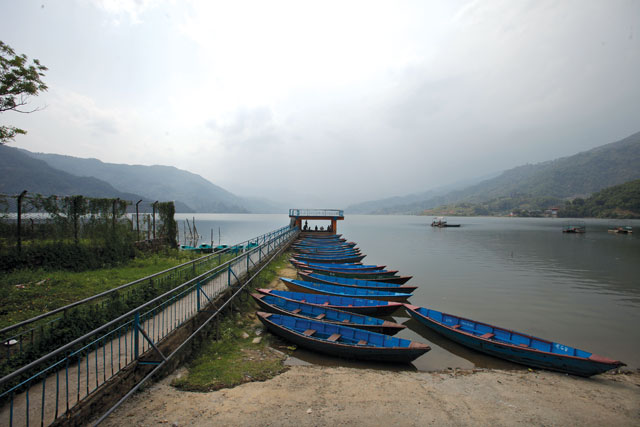
The other mainstay of Nepal's economy is tourism and this has taken a direct hit from the earthquake. Saturation coverage in the international media of the immediate aftermath has spread the perception that Nepal is completely destroyed. The fact that many tourist spots in Nepal like Pokhara, Chitwan, Lumbini, Muktinath or Mustang are not affected is not widely known.
In addition, alarmist travel advisories by some governments have frightened off potential visitors. Insurance companies take their cue from these blanket notices and the high premium has is further deterrence. Happily, as we write this, the United States, UK, New Zealand have relaxed their advisories and there are indications that they will be revised further as independent assessments of the Everest and Annapurna trekking trails and Kathmandu's heritage sites become available.
Nepal's tourism was also in crisis long before the earthquake. Visitor numbers were stagnant, spending per tourist was down, average duration of stay was getting shorter, repeat visitors were getting rarer.
It isn't hard to figure out why: the quality of the product was going down with the chaos at the airport, the visa lines and the squalour of Kathmandu. The Annapurna Circuit and other trekking areas were marred by new highways. Chitwan suffered a 70 per cent drop in visitors after lodges were relocated and Sauraha became unpleasant. There were concerns of air safety for domestic travel after a series of crashes.
Air fare was another factor: it cost more for a tourist to fly from Kathmandu to Rara than to fly to Europe. Helicopter rescue in Nepal is as expensive as in the United States and is the highest in the world. Then there were the high profile disasters like the Everest avalanche last year followed by government bungling on permits, the tragic loss of lives in the Annapurna blizzard raising questions of the lack of early warning and shelters along the trail.
The 'Turning Point in Tourism: Role of International and National Tour Operators' conference organised by the group, Samarth, last week drew attention to these factors already affecting Nepal's tourism before the earthquake. Robin Baustead of the Great Himalayan Trail Alliance said: "Nepal has fantastic mountains to climb, but it is becoming a much harder place to climb them in."
Visitor numbers to Nepal have gone down in the past. It plummeted by 40 percent after the 2001 royal palace massacre, went down by 80 percent during the 2003 Gulf War, and shrank to a third of normal during he Maoist conflict. But in all these cases, the arrival numbers revived in a few months. This time, even the most optimistic scenario predicts a 70 per cent drop in the autumn season, and a 40 per cent drop in bookings for the spring. It will take longer to bounce back this time.
The Samarth conference drew up a checklist of things to be done to revive tourism revenue:
Set up a verifiable third party online knowledge base with up-to-date information on the safety status of trekking trails
- Relaunch the Nepal brand in target markets, especially India and China
- Clean up the airport, streamline visas, make it easy for visitors
- Don’t reduce prices, improve safety and quality of services
Read also:
Rebuilding ourselves Kunda Dixit
An opportunity for all: Nepal is open to visitors
Fixing tourism Karma Dolma Gurung
Tourism is down, but not out Om Astha Rai
Where have all the tourists gone? Tsering Dolker Gurung
Trekking in solitude Peregrin Frissell