Nepal's nascent coffee business is slowly but surely redefining the idea of a Nepali's morning brew. Here we present the pictorial journey of how the beans make it to your cup.

Read related article: Beans to brew
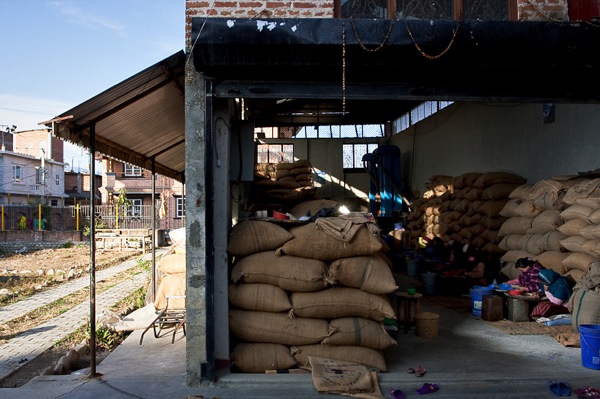
Royal Everest Coffee Mill in Thimi, Kathmandu. Pulped cherries from local coffee farms are brought to this facility for hulling, polishing, cleaning and, sorting and grading.
Royal Everest Coffee Mill in Thimi, Kathmandu, where pulped cherries from local coffee farms are brought in for hulling, polishing, cleaning and, sorting and grading.
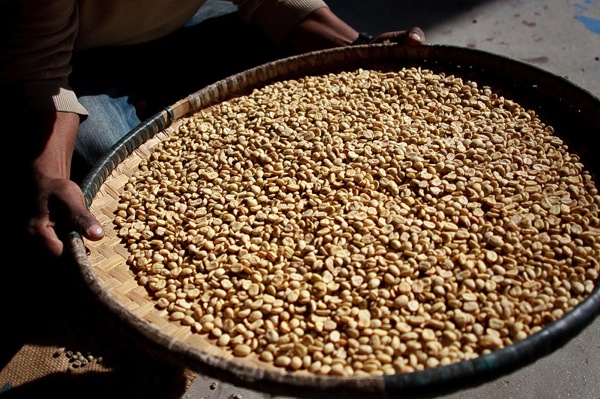
Coffee beans are dried.
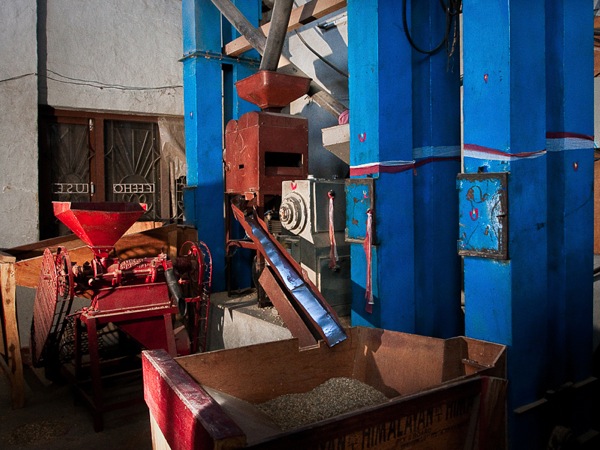
This machine runs the processes of hulling, polishing, cleaning and sorting. Final grading is done by hand to ensure quality control.
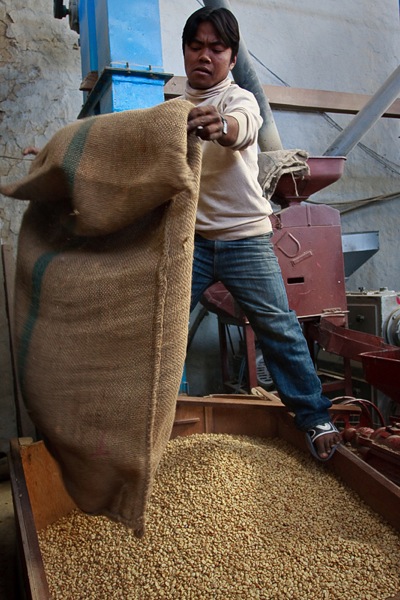
The coffee beans are stored in organic jute bags as these are breathable and allow for the beans to be kept for an extended period of time without mildew and mold forming.
The beans are stored in organic jute bags as these are breathable and prevent mildew and mold.
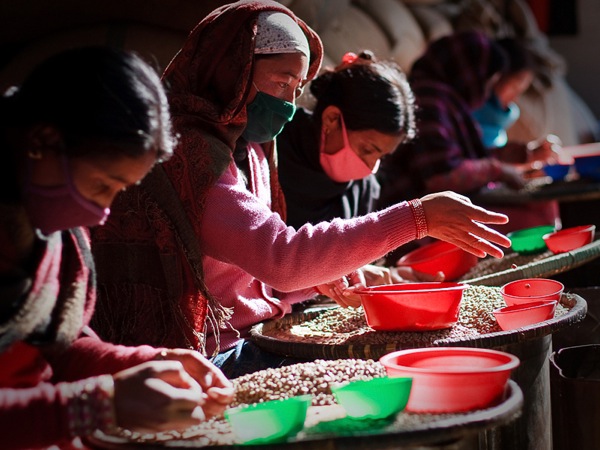
The beans then undergo a final round of sorting and grading by hand before they are bagged for delivery. Though labour-intensive, this step is crucial in quality control.
Roasted beans.
Roasted beans.
In the world of specialty coffee, presentation is just as important as aroma and taste.

ALL PHOTOS: FOO CHEE CHANG