
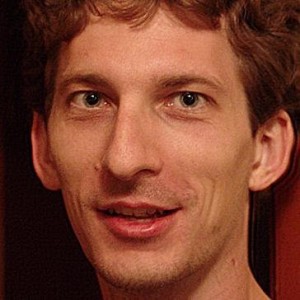
 Pic: Robert Penner/Twitter
From the Nepali Press
3 May, setopati.com
Canadian Robert Penner has been a prolific social media user, and showed a keen interest Nepal’s political process. The government on Tuesday gave him two days to leave the country. The Department of Immigration cancelled Penner’s visa citing ‘misuse of his work visa’ and for showing ‘unnecessary interest in Nepal’s internal politics’ and posting ‘posting provocative comments’ on Twitter.
Penner has been associated with Cloud Factory, a Nepal based IT company for the past three years, and was picked up by police from his office in Lalitpur on Monday, 2 May. He broke the news of his own arrest via Twitter.
“If we find him guilty of being involved in suspicious activities that threaten Nepal’s peace, security and interfere in our internal affairs we will cancel his visa,” said Kedar Neupane, the chief of Immigration Department adding, “it’s one thing to show general interest in Nepal’s issues and make common observations, but Penner was found to be doing much more than that.”
The order for Penner’s arrest and investigation was reportedly issued by the Home Ministry because he had violated Immigration Law by ‘participating in political activities’.
“The Police had been tracking his posts on social media for the past few months after his interest and comments came to our attention, and the possibility of deporting him was already discussed at the Home Ministry few days ago,” a government official said.
It is clear to see from his tweets that Penner had a deep interest in Nepal’s political process and regularly commented on it. He not only made comments or participated in discussions on social media, but also debated aggressively about Nepal’s politics. Penner’s father had earlier worked in Nepal at Dadeldhura Hospital operated by United Mission Nepal.
Advocate Dipendra Jha who is representing Penner, says: “Even foreign nationals have freedom of expression which is why the government’s action against Penner is wrong.” He added that it was incorrect to say that Penner was involved in Nepal’s political process.
Constitution expert Bipin Adhikari has a different opinion. “Of course an individual’s freedom of expression should not be curbed, but there’s a difference in the rights granted to a citizen and a foreigner,” he says.
According to Adhikari a citizen who partakes in activities that may affect the public interest can be exempted to a certain degree, but the same does not apply to a foreigner.
But Jha argued: “He didn’t go to Singha Darbar and organise a rally, he only expressed his opinions on Twitter, the world is now a global village. Even we comment about Bangladesh or the US. Is that also illegal now?”
This raises another question on what the term ‘involvement’ means in politics. According to Jha sloganeering and taking part in rallies can be considered a political activity, but not writing or speaking about political issues. Adhikari’s definition of ‘involvement’ is any activity that affects or has the possibility to affect politics.
“That’s why it is accepted globally that no foreign national should take part in any activity that can affect the internal politics of a country,” says Adhikari. “There’s no country in the world that grants a foreigner the freedom to be so actively involved in its internal politics.”
It is an individual’s choice to engage or not engage with another person on social media, but with Penner that wasn’t the case. He regularly hounded people on Twitter, which seems to be why the authorities were alerted about him.
There are many foreigners in Nepal who comment on the politics of the country and engage in discussions on social media. What set Penner apart from the rest were his provocative posts. Penner is the first foreigner to get his visa cancelled for actively debating Nepal’s politics on social media.