
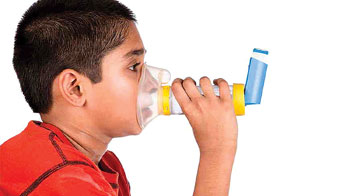
 Bronchial asthma, also known as asthma, is a persistent inflammatory disease of the body’s airways that causes episodic ‘attacks’ of coughing, wheezing, shortness of breath and chest tightness. The rampant exposure to pollution and the temperature inversion in Kathmandu may tend to cause bronchial asthma to exacerbate.
Suman Rai, 30, visited a medical clinic to report a long standing history of cough, shortness of breath often accompanied by ‘whistling’ sounds from her chest. Her cough got worse at night and more so in winter. She also suffered from occasional stuffy and runny nose. Other than those symptoms, she was a healthy young woman.
After a proper medical exam and running some tests, she was diagnosed with bronchial asthma. Bronchial asthma can be effectively treated with the right medication. Change in lifestyle may also help by avoiding the ‘triggers’.
In many individuals, the breathlessness and tightness of the chest is the result of an inflammation. Some may only feel the symptoms when they exercise, or due to pollutants in the air, perfumes, food additives and change in weather among others.
In bronchial asthma, the airways to the lungs tend to narrow due to muscles tightening or inflammation caused by allergens or respiratory illness. It is uncertain how some people are prone to develop asthma. If allowed to worsen without treatment, bronchial asthma can lead to chronic obstructive pulmonary disease (COPD).
Recent edition of medical text books like Harrison’s clearly indicate that the severity of asthma does not significantly change over time. People with mild asthma tend to continue to have it mild for life and ones with severe asthma may have it severe as long as they live. Studies have shown that one may have a genetic disposition to asthma but like most health concerns no genetic profile can confirm the possibility.