As anyone who has suffered a bad toothache will attest, it is a singular kind of debilitating pain. But often, people do not feel any pain from infection until it is too late.
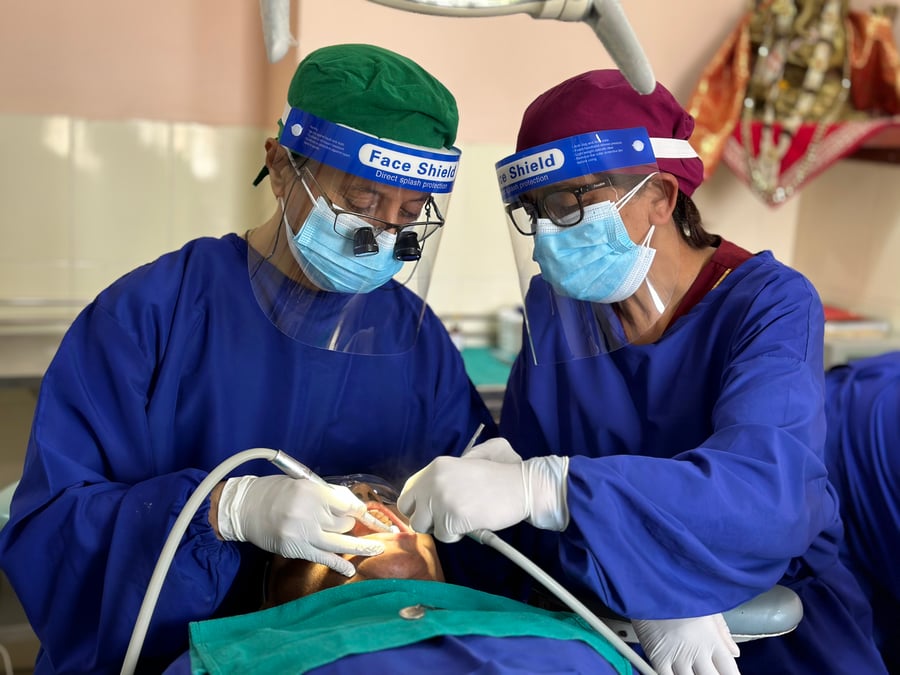
In Nepal, there is a wide dental divide between those with access to dental care and the majority who are without. In remoter parts of the country, complications from a simple untreated abscess in the oral cavity can even be fatal.
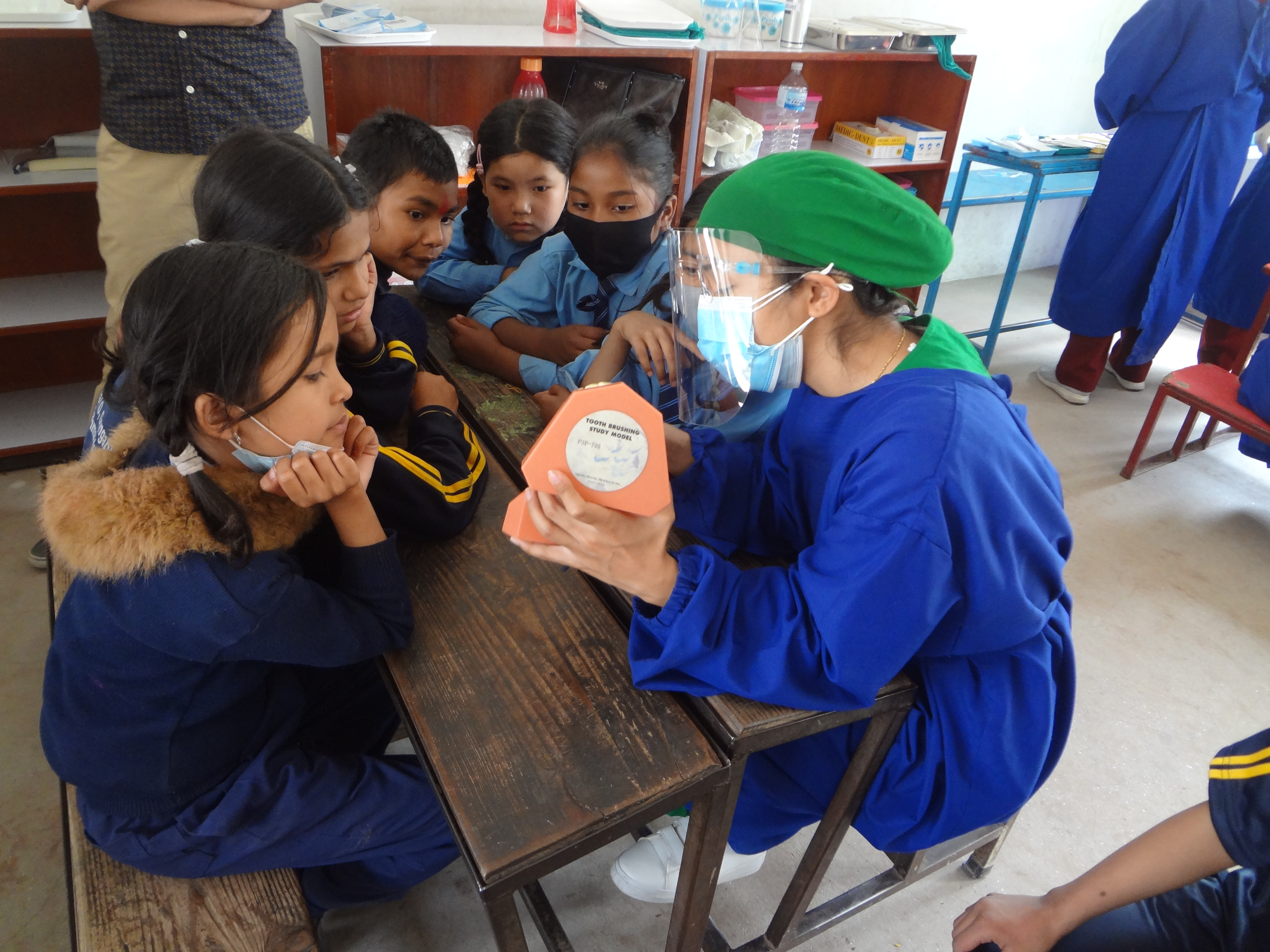
However, up to 90% of dental conditions like tooth decay and gum diseases in Nepal can be prevented through awareness of oral hygiene. This is not rocket science (or even a root canal) but knowing how to brush teeth correctly, avoiding junk food and eating meals that have to be chewed properly can save people from expensive and painful trips to the dentist.
In the old days the people of Kathmandu would visit Kilagal to nail coins into the stump of a tree in the belief that it would stop excruciating toothaches. Today, most dental clinics in Nepal are concentrated in Kathmandu Valley, and even these are mostly located inside the Ring Road. They have expensive state-of-the-art dental equipment which drives up the cost of care.
Public health experts suggest that instead of planning to invest in expensive dental clinics all over the country, the focus should be on dental hygiene awareness, simple prevention and telemedicine for more complicated cases.
“We have two drastically different groups in Nepal: those who need the latest cosmetic dentistry and others who have never ever seen a dentist in their lives. The way to bridge this gap is through technology,” says dental surgeon Sushil Koirala. “We have to digitise the system itself so that the poorest communities in the remotest parts of Nepal have access to dental care.”
There are 13 dental colleges in Nepal which produce some 500 dentists a year on average. Nepal’s dentist-patient ratio is 1:12,000 (WHO recommends 1:5,000). But most of these clinics are in the cities, and in remote districts like Jumla the dentist patient ratio can be more than 1:200,000.
There are some Nepal government scholarship students who mandatorily serve in the districts for two years, but most return to the city to set up clinics in an already saturated market. The government has dental surgeries in district and provincial hospitals, but the infrastructure is outdated and the staff insufficient.
The way to compensate for the shortage of dentists in rural Nepal could be to prioritise dental hygienists. Ideally, hygienists work under the supervision of dentists helping out with simpler procedures for gum diseases or atraumatic restorative treatment (ART) which involves removing decayed tissue.
Because of the lack of regulation, hygienists have become ‘pseudo-dentists’ in the village, doing everything from filling to extraction.
“Dental treatment is actually the last resort. The initial phase should always focus on prevention and proper care. But remote places of Nepal lack education and training,” says another dental surgeon Parakram Parajuli.
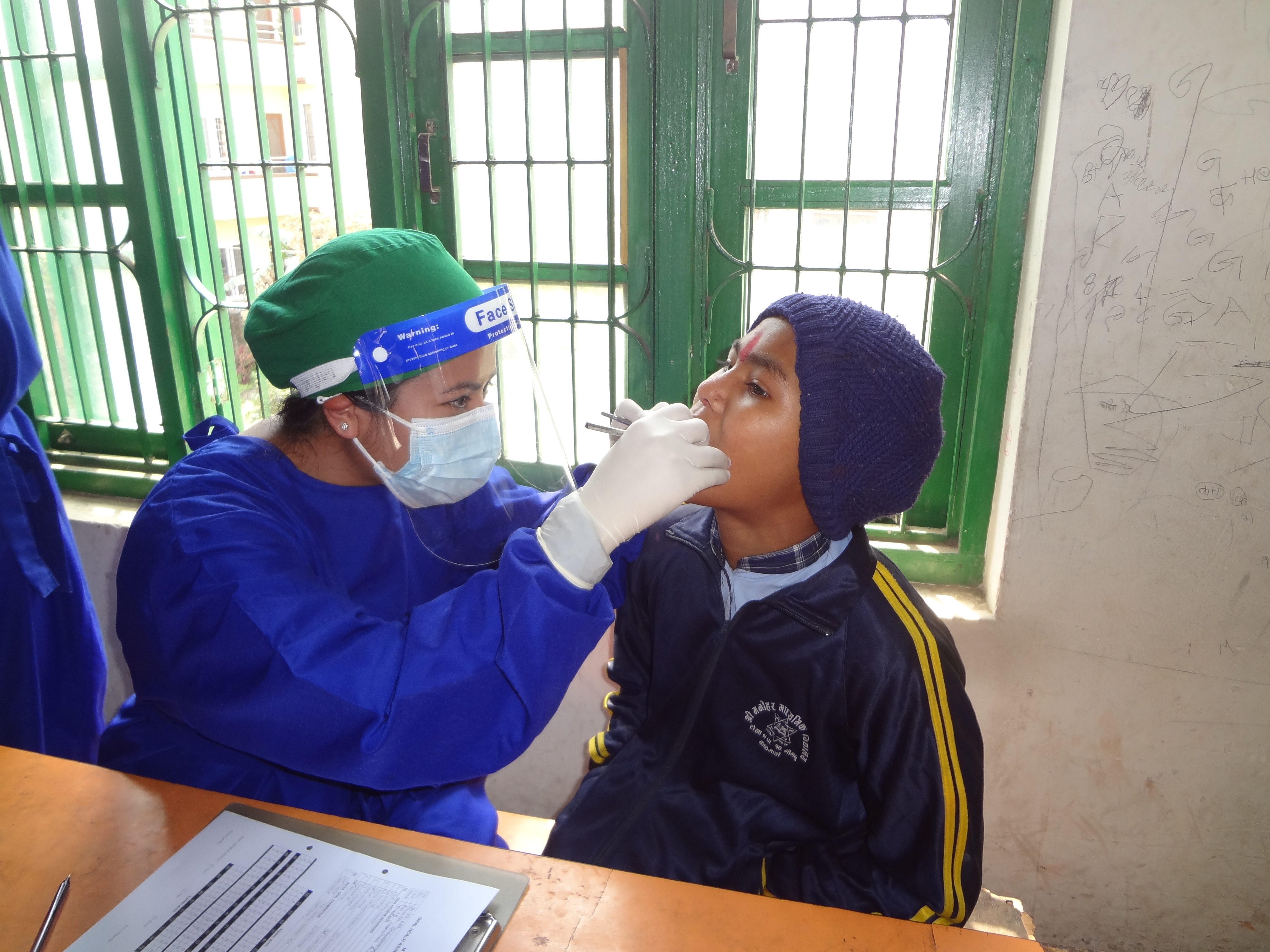
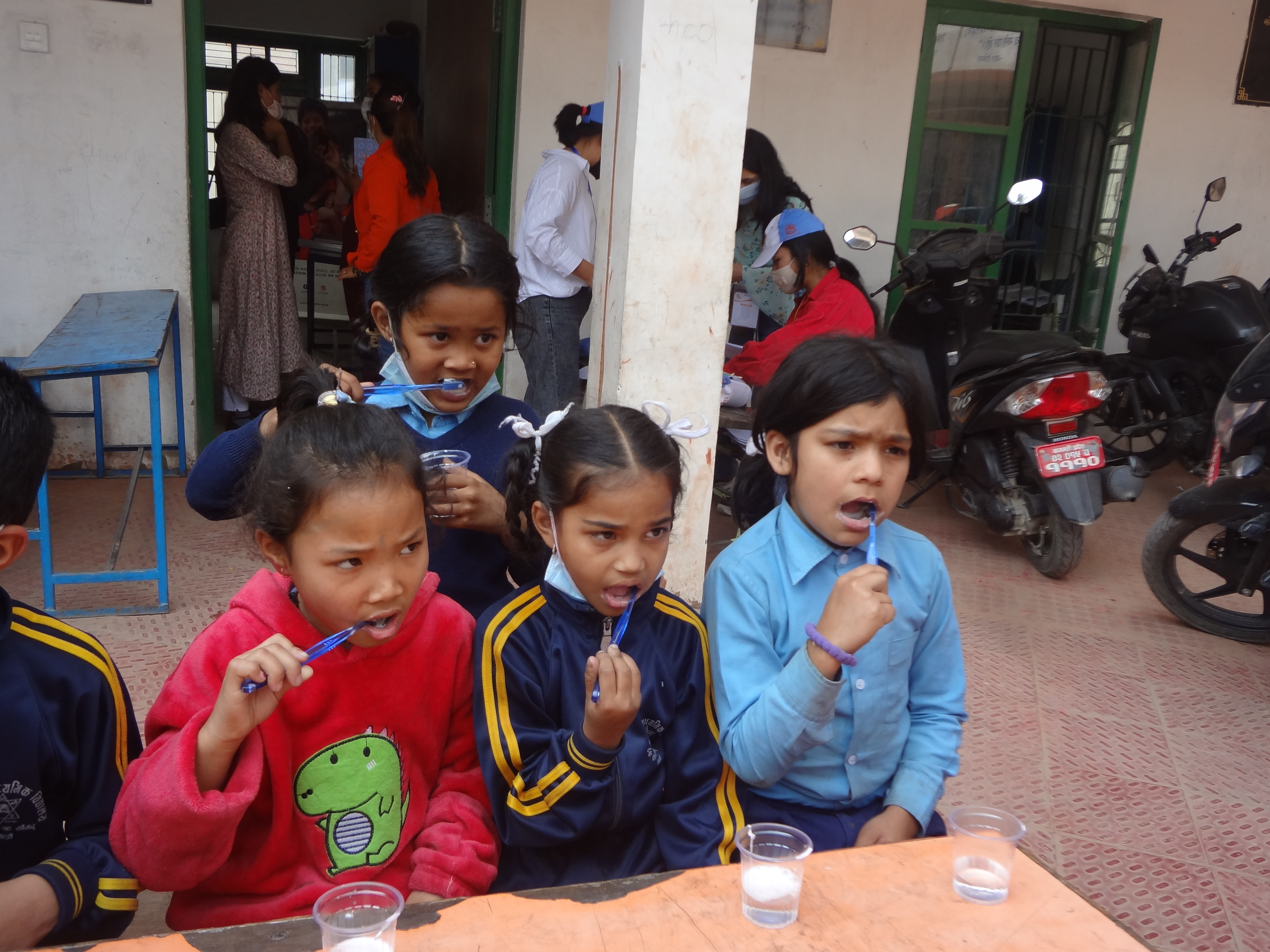
To plug the gap, National Dental Hospital, the non-profit Punyaarjan Foundation and MiCD Global Academy have jointly established the Dental Innovation Centre which aims to develop and implement accessible to all in Nepal (box). The team is currently working on an app that allows tele-dental care with use of AI. The initiative also plans a vigorous prevention campaign for oral hygiene among school children.
Dental complications are linked to lifestyle, and this means maintaining teeth and gums. Reducing the intake of junk food and sweets can also reduce prevalence of obesity, diabetes, hypertension and cardiovascular diseases in the population. There is also growing evidence pointing to a correlation between oral health and mental well-being.