
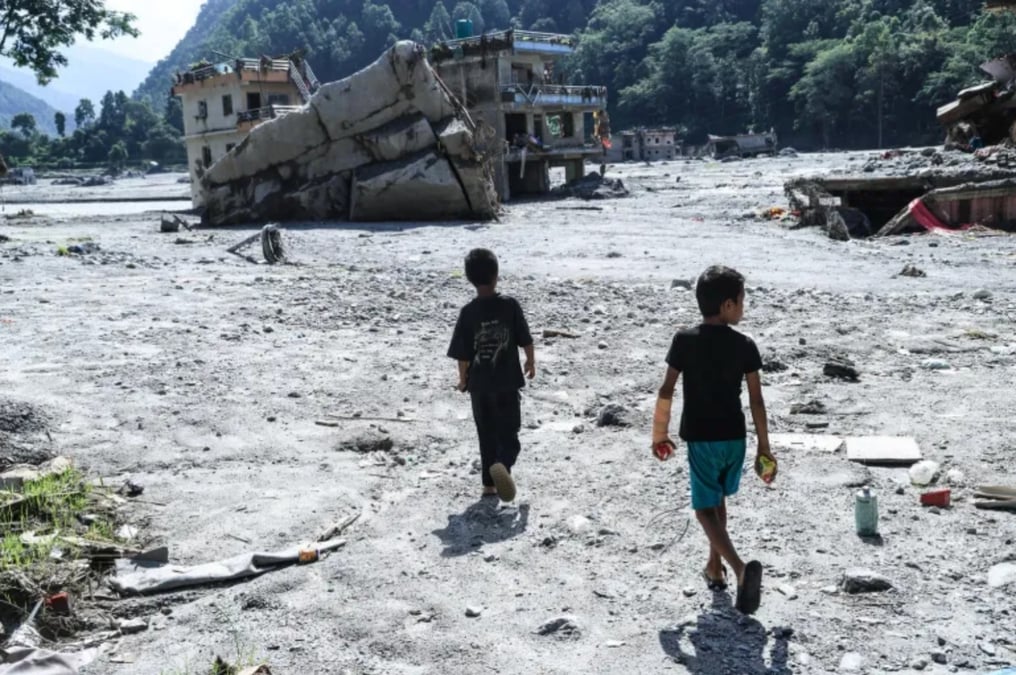
Three weeks after the Bhote Kosi-Trisuli disaster, the number of missing has climbed to 6,145 as information from various municipalities is collated.
Some 1,410 bodies have so far been retrieved, and only 104 of them have been identified and handed over to families. The magnitude of the debris flow was such that most of the dead (454 bodies) were found in Nawalparasi, 180km downstream from the China border.
There were 364 bodies found floating down the Narayani in Chitwan, which is 150km downstream. Even though most of the missing are from the higher reaches of the river in Nuwakot and Rasuwa, just 403 bodies were found in those two districts.
The true extent of the catastrophe becomes evident when the casualty and fatality statistics are disaggregated. Among the missing are 488 children, and only five of their bodies have been found.
ORPHANED
A government survey showed that 102 children lost both parents — 49 of them are girls and 53 boys. In addition, 439 children are still separated from their parents, who are away in the cities or abroad.
The Nepali Army and combined police search teams have found and rescued 13,756 people who were stranded on steep mountain sides as they fled the flood.
“Every separated and unaccompanied child is a protection emergency,” says Tara Chettry of Save the Children in Nepal, adding that family tracing, reunification, support for family-based care, and safety of children in crowded shelters are immediate priorities.
She said the disaster zone is still in the emergency phase of rescue and identification, and there are not enough professionals to support children in temporary learning centres and through psycho-social counselling.
A separate survey by the Ministry of Education has found that 9,430 children have been directly affected after losing both or one parent, or when their homes and schools were destroyed.
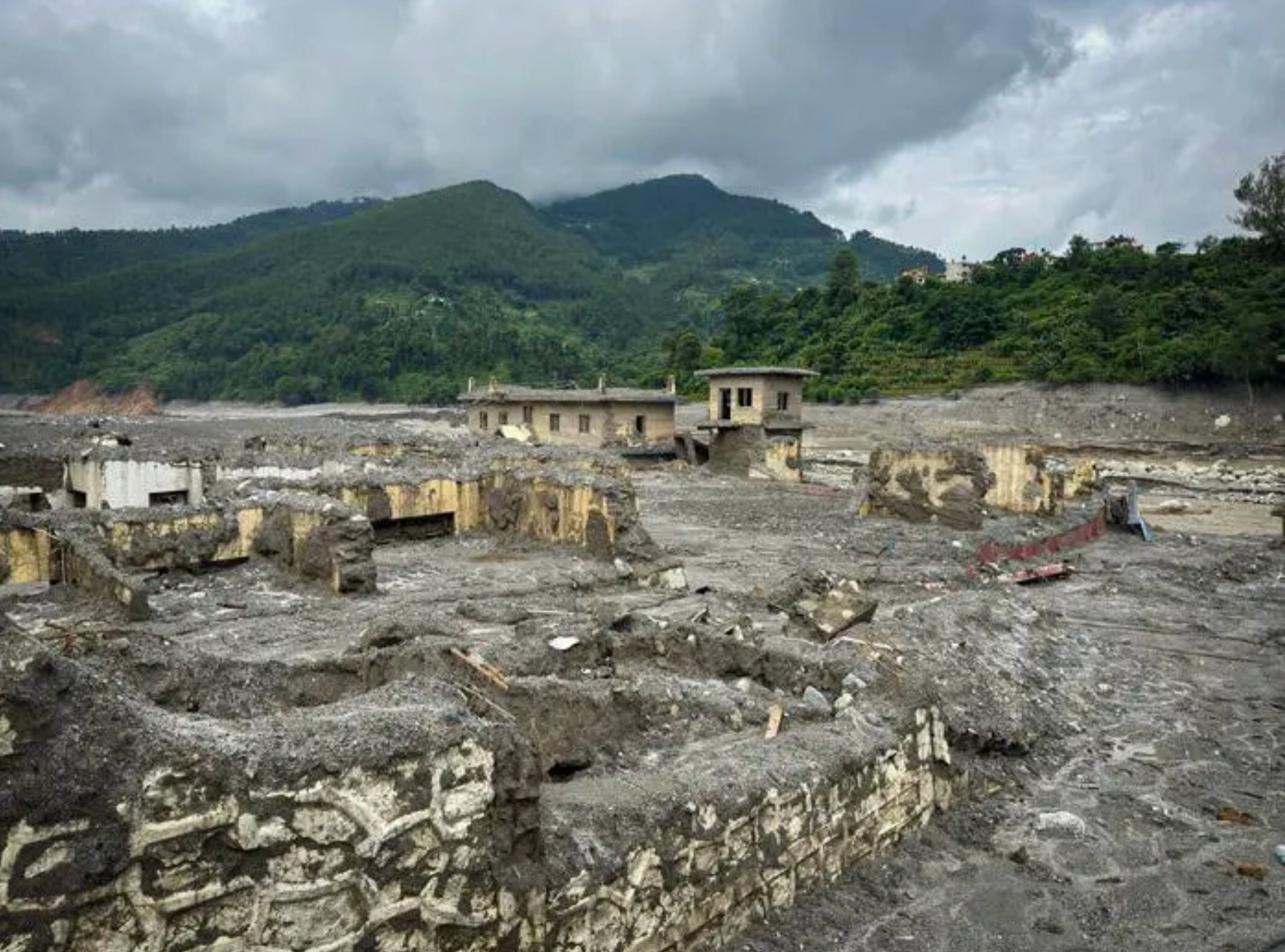
The flood damaged or destroyed 35 schools, and there were stories of dramatic evacuations that saved the lives of hundreds of students before the floods arrived. However, in one school in Bidur, more than 200 children and 11 of their teachers were swept away when they could not seek higher ground in time.
Timure, just 5km from the China border, bore the brunt of the flood and was wiped off the map. Of the 35 children in a school there, 25 are missing because they had not reached their classrooms. Only five of the 11 teachers survived.
Some 30 schools that were not affected are now shelters for about 3,600 people who lost everything — of them 1,233 children, many of them girls.
Among the organisations helping is UNICEF, which has set up child-friendly spaces with local governments where children can play, learn, express themselves, and receive support.
Recreation kits bring in games, toys and activities that encourage children to move, create, and play together. Trained facilitators guide the sessions, watching for signs of distress and helping children manage fear, confusion or sadness through age-appropriate activities.
UNICEF says families are struggling to find enough food for their children, with pregnant and breastfeeding women as well as under-fives in need of longer-term nutritional support.
It adds: ‘The psychological impact on children is severe. Many have lost homes or loved ones, fled rapidly rising floodwaters or been torn from their families in the chaos of the day.’