|
|
The electricity is one-tenth the NEA's tariff. There are no power cuts.
Sounds too good to be true. But if you live in rural Palpa these days, like thousands of families, you don't have to suffer the inconvenience of load shedding.
Located 50km from Nepal's biggest hydroelectric project on the Kali Gandaki which generates 144 megawatts of power, Palpa's villages sent petitions to Kathmandu to be hooked up to the grid. But the NEA didn't listen, neither did the politicians.
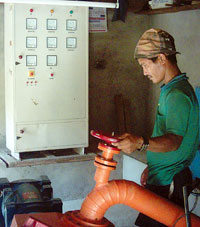
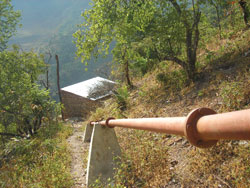
"We took the matter into our own hands, we said if they're not going to do it for us, we'll do it ourselves," recalls Sushila Gaire of Dobhan in Palpa where 100 households get 24 hour electricity from a 3 kilowatt micro-hydro plant on the Suketal rivulet. Sushila says she used to spend Rs 200 a month for the kerosene for lighting, but now has to pay only Rs 50 a month for the electricity.
The entire project costs less than Rs 1 million and was built with local donations and voluntary labour from villagers. The same model was used in dozens of villages in Palpa with seed support from the Alternative Energy Promotion Centre (AEPC) in Kathmandu.
There are nearly 2,000 micro-hydro plants below 500 kilowatts all over Nepal and they generate nearly 13 megawatts of total power. If Palpa is any indication, the way out of the power shortage in rural Nepal may be to decentralisation energy generation from Himalayan streams and rivulets.