Malaysia has the highest number of Nepali migrant workers overseas with 700,000 people employed in its plantations and factories. But the country also registers a disproportionate number of deaths of Nepalis.
Between July 2014-July 2015, 425 Nepali workers died in Malaysia, according to figures from the Foreign Employment Promotion Board in Kathmandu. Qatar, which has 550,000 workers from Nepal, had relatively fewer deaths: 178. Nine Nepali migrant workers died every week in Malaysia between July-November last year, according to the Nepali Embassy here, most of them from what health experts call sudden unexpected death syndrome (SUDS).
“Just a few months back another fellow Nepali worker simply dropped dead while walking to work,” said Dilip Malla, 43, a security guard in the Damansara neighbourhood of the Malaysian capital. “We later learned it was a heart attack.”
Malaysian doctors and labour activists are puzzled at the abnormally high mortality rate from SUDS among Nepali overseas contract workers in Malaysia, disproportionately more deaths than Qatar, UAE and other Gulf countries.
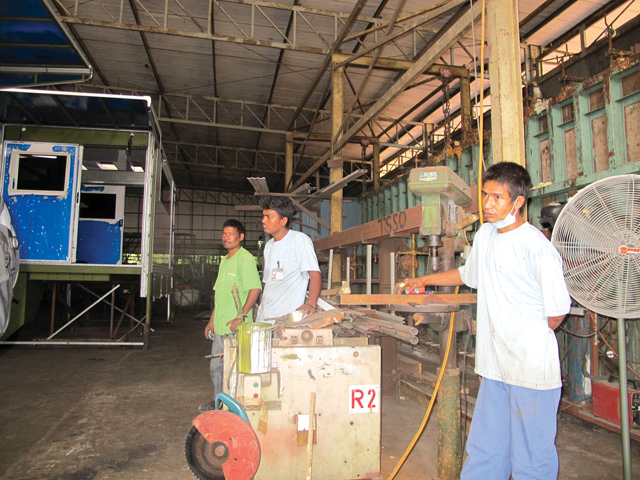
Although research is sparse and autopsies are rarely performed on dead workers, factors could be hard work in hot and humid conditions, excessively air-conditioned living quarters, worry about low pay and family back home, as well as consumption of illicit alcohol. An additional anxiety here is reduced earnings due to the falling Ringgit.
The money Nepali migrant workers send home forms 40 per cent of Nepal’s total overseas remittances, and Nepali workers are paying with their lives.
Aegile Fernandez of the Malaysian labour rights group, Tenaganita, says deaths of foreign workers are often overlooked despite the shocking figures. “We see high suicide rate and several cases of sudden death,” she said, “the government should be more transparent and in-depth research should be carried out. Unless that is done we won’t know why they are dying.”
A Malaysian government hospital doctor who treats migrant workers, and asked not to be named, said most sudden deaths are a result of cardiac arrest. “However I can’t say for certain what is causing them, we never carry out any detailed investigation,” she said.
Last year the Malaysian government decided to withdraw health subsidies and increased medical fees for non-nationals by 30 per cent. Public health experts here say this actually adds health risks to Malaysians, since many migrant workers also have TB or malaria.
Workers are also not aware of the precautions they need to take about the extreme climate in Malaysia compared to Nepal. “The Nepalis might not be used to such long hours of work, under scorching heat but they aren’t given proper health and other training beforehand,” adds Fernandez.
Last January, a riot broke out at a plywood factory in Kedah when Nepali workers protested the death of a colleague who had difficulty breathing and died because he wasn’t taken to hospital in time. Protesting workers were arrested, and five deported. A month earlier two Nepalis in the same factory had also died of SUDS.
In another case, more than 1,000 Nepali workers protested at the factory in Johor when a fellow worker died due to lack of health care last August. Some 50 workers were arrested and most of them were sent back to Nepal.
“To find out why this is happening, we must include a clause for mandatory post-mortems for dead workers in labour agreements,” said Ganesh Gurung, an expert on labour migration in Kathmandu. At present autopsies are not required.