
The winter session of Parliament is set to begin amidst a warmer-than-usual winter season. But things do not look too cosy between the governing coalition and the opposition parties.
Pushpa Kamal Dahal’s Maoist Centre is currently benched, and is trying to ride a rising wave of public discontent. It has in its crosshairs the coalition’s plan to fast-track five ordinances related to governance, business, investment and real estate. Expect sloganeering and rostrum gheraos when the august House convenes.
Opposition leaders say the issue is not with the content of the draft amendments themselves, but the manner in which they are being passed.
This is not new. Nepal’s leaders love to amend laws through ordinances rather than votes in Parliament. What is puzzling is why a government made up of an alliance of two of the biggest parties with the near two-thirds majority required to pass laws through the Lower House, resorted to executive decisions to introduce new laws?
What, then, is the role of the legislators when the job they were elected by the Nepali people to do is largely carried out through executive orders?
The political leadership justifies taking the ordinance route because of delays in the legislative process. This is emblematic of a wider problem in Nepal’s politics, where leaders employ ad hoc solutions to problems instead of taking a long hard look into the flaws within the legislative process, governance and the state mechanism as a whole.
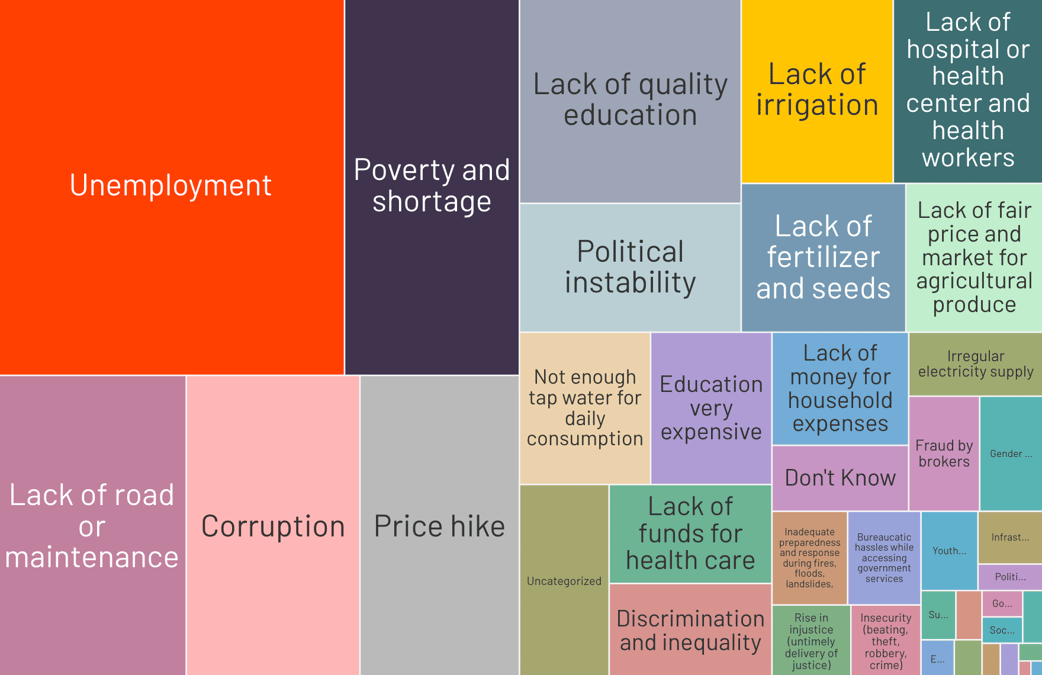
Understandably, this is such a can of worms that the leadership is unwilling to confront it head on. But confront it they must. If the long-serving prime ministers of the three parties carefully read the outcome of the recent Sharecast Initiative public opinion survey, they will learn that more than half of the Nepali public is unhappy with the direction politics is headed.
The survey should be an eye-opener and a dire warning to politicians to shape up or ship out in the limited time ahead of the general elections in 2027. Poll respondents have listed weak governance and corruption holding back job creation. Most respondents cited migration as the most attractive option. Nepalis are therefore voting with their feet.
The survey shows that Nepalis reject pre-electoral alliances and the tottering coalitions they produce, blaming this for the country having to suffer five revolving door governments in the last five years.