
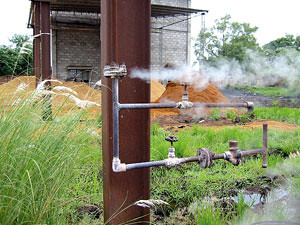
 BHISMA PANDIT LETTING OFF STEAM: Industries that are unscientifically built without energy efficient technologies are wasting energy and money. |
Nepal is the second richest country in terms of per capita hydropower resource in the world, yet it contributes only three per cent of Nepal's total energy. Only 56 per cent of the population has access to electricity. The state likes to boast about Nepal's hydro potential and has made energy a high-priority sector, but it can only supply power to 15 per cent of Nepalis.
The net electricity generated per capita in Nepal is the lowest in the world and so is energy density. Since the state has failed to deliver the required power, households and communities have taken up the challenge and gone into alternative renewables like biogas, solar, wind, and improved water mills. Nearly 90 per cent of consumed energy comes from such sources and about nine percent of Nepalis have access to them.
With more than 12 hours of blackouts during the most critical and productive hours of the day, the economy has been the hardest hit by the chronic energy shortage. While commercial electricity consumption has swelled in the last two decades in large part due to growing consumerism (transport and retail, hospitals, the booming education sector), the government has been unable to meet the demand. And looking at current trends, demand will continue to outstrip supply for another five to six years.
However, even the available energy is being wasted through pilferage, system loss, and careless consumption leading to greater inefficiency and stunting the country's growth. Industries and commercial buildings that are unscientifically built without energy efficient technologies in lighting, heating, ventilation, air conditioning, insulation, roofing, windows, and appliances are the biggest culprits.
Both the state and international organisations have stepped in to encourage industries to minimise energy wastage. The Nepal Energy Efficiency Program NEEP) along with the German aid agency, GIZ have identified the eight most energy-intense industries in Nepal, such as hotels, and are helping them to reduce their energy consumption and save money. Similarly, donor agencies like Winrock and Adelphi are working on capacity building programs for efficient energy use.