
Chhalphal: How do you assess the current political situation? 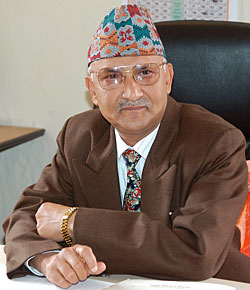
KP Oli: Nepali politics is in transition. Democracy has been restored and we have to institutionalise it. The Maoist insurgency ended but the peace process is still ongoing. In other words, the peace process is a fight against violence, which is still ongoing. Apparently, the republic has been established, but the Comprehensive Peace Accord only brought about a ceasefire. The objectives of the war, weapons and policies are still as they used to be. The Maoists still control the PLA combatants and weapons, on the basis of which they warn of violent protests time and again. The government has not been formed in five months, ever since the prime minister resigned. We have only six months to conclude the peace process, but the issues of the constitution and peace process have not been touched yet. This is why we are hearing voices of frustration and protest.
What is the root cause and who is responsible for this?
The Maoists' intention to capture power, the continuity of the politics of violence, and a craving for weapons are the real problems. Some other forces are also behind them for their own interest. They said Madhav Nepal's resignation would pave the way for political consensus, some even launched a signature campaign demanding his resignation. In fact, they did not understand the ulterior motives of the Maoists. Whoever was involved in this episode is responsible for the current situation.