

 |
Unlike other wars, neither side won Nepal's conflict. Neither side lost, either. But the Nepali people lost. And they continue to suffer because the warring sides don't want to address the issues of transitional justice and war crimes.
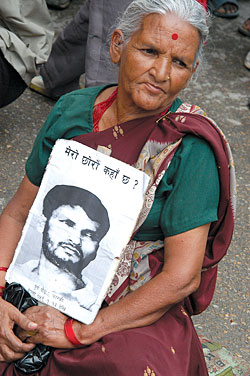
Among the victims, the plight of those whose relatives had disappeared continues to linger. They live in limbo, they have been ignored and their tears have never dried.
Their patience is also wearing thin. Frustration is giving way to a sense of vengeance. This is not good news for a society which needs to heal from the years of war. There is no meaning in discussing justice and human rights in this chaotic environment, where perpetrators lead the transition, where victims do not feel secure to speak out, and remain excluded from the justice system.
Human rights violators from both sides remain in positions of power, and talk of justice. This denial of accountability has institutionalised violence and set the stage for a resurgence of conflict. Political leaders often justify their past actions saying the atrocities were the result of "unfortunate circumstances" and we are all victims of structural violence.
This line of thinking justifies enforced disappearance and the extra-judicial killings during the war. No one is ready to take responsibility or acknowledge the past injustice. The failed transitional justice environment has created disillusionment and hopelessness among the families of the disappeared. They feel marginalised and betrayed by the state. Words like "truth" and "reconciliation" don't carry any meaning anymore. Families of the disappeared were promised that the fate of their relatives would be made public in 60 days. They have waited 1,738 days.
Nepal's peace process is centered in Kathmandu and led by reluctant governments in the last five years. It has failed to build a comprehensive strategy to bring parties involved in conflict to a common platform so as to determine the whereabouts of ordinary victims in rural areas.