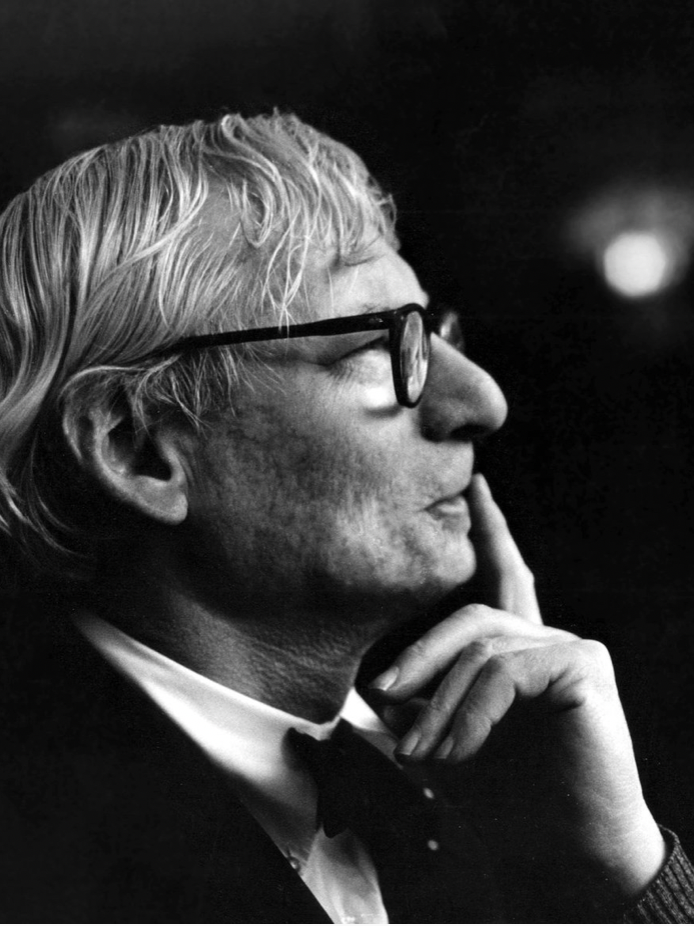
Four international names in architecture, Shigeru Ban, Rem Koolhaas, Tadao Ando and Louis Isadore Kahn, all left their mark in Nepal. But despite their best intentions, the ambitious designs fizzled out.
Ban, Koolhaas and Ando won Pritzkers, the best known international award for architecture, and Kahn could have won it had the prize been given in his lifetime. But their designs fell short of transforming Nepali architecture and did not help inspire local architects.
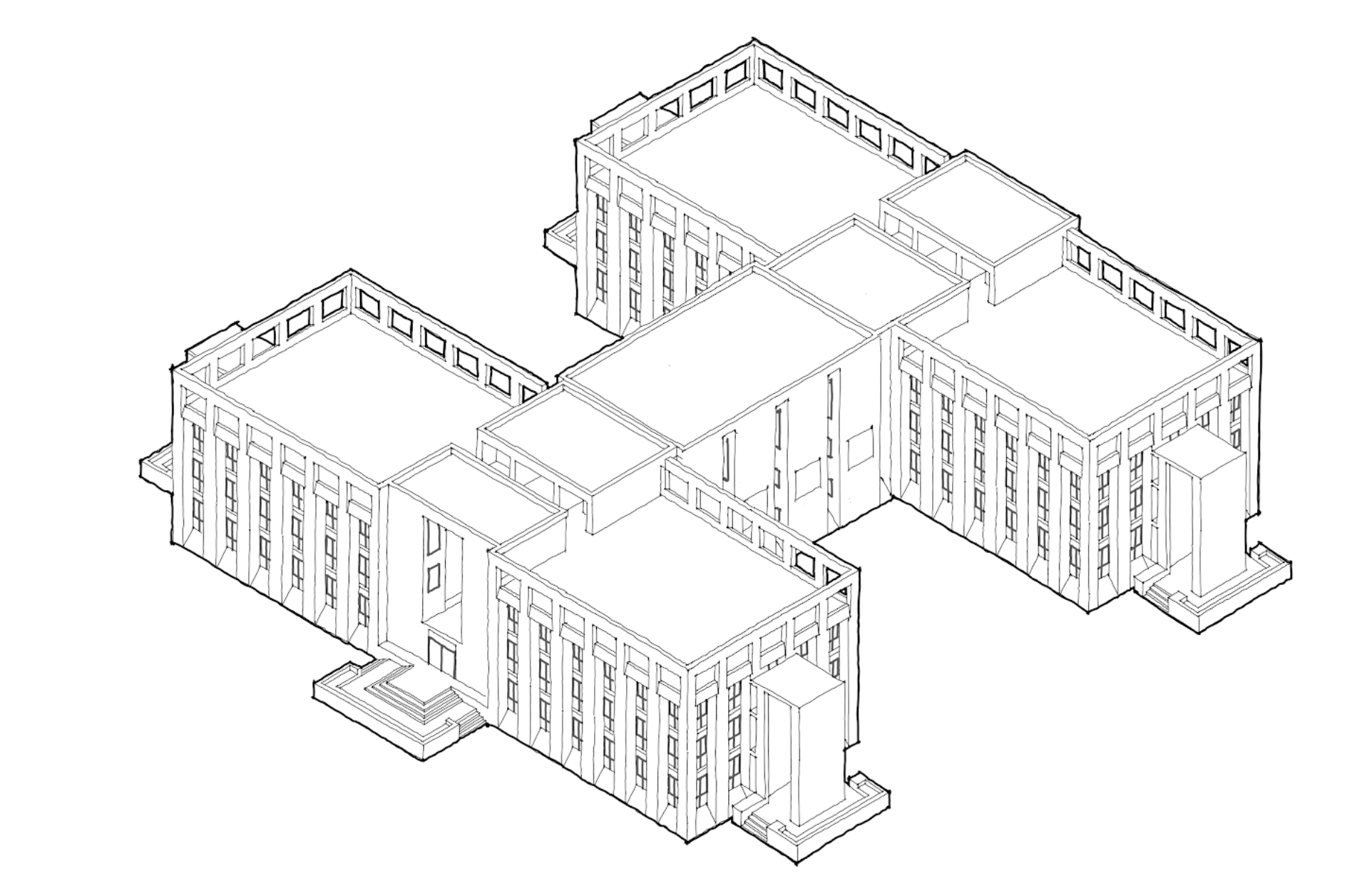
Why were these four ‘starchitects’ unable to pull off their Nepal projects and enrich the country with exemplary contemporary designs? The failure, especially the violation of Kahn’s design, also raises larger questions about how much contemporary architecture is valued in Nepal.
Whereas Sri Lanka had Geoffrey Bawa and Bangladesh had Mazharul Islam, the pioneers of contemporary architecture in Nepal have had far less public appreciation. One wonders if Nepali architecture only refers to the monuments and heritage of the past.
Nepal does have examples of outstanding modern architecture such as the पाङ्रे घर ‘Wheel House’ and खुट्टे घर ‘House on Legs’ by Shankar Nath Rimal in the 1960s. These are the best examples of how some Nepali designers successfully tailored modern architecture to the Nepali context.
Ten years ago, Nepal had three architecture magazines, SPACES, praXis and Business Architecture, but none of these survived. This newspaper has prominently covered contemporary architecture, and the built environment, but these are exceptions in Nepal’s media.
There have been a few encouraging signs. The 2024 exhibition Modern Encounters in Architecture in Kathmandu Valley (1945-1985) at the Taragaon Museum had many visitors and its accompanying book is a seminal document.
In 2023, the Mountain Architecture Dialogue (MAD) that focused on examples of good-practice sustainable contemporary architecture for the mountainous terrains of Nepal was a packed event with over 300 young architects, engineers, environmentalists and architecture students.
Shigeru Ban

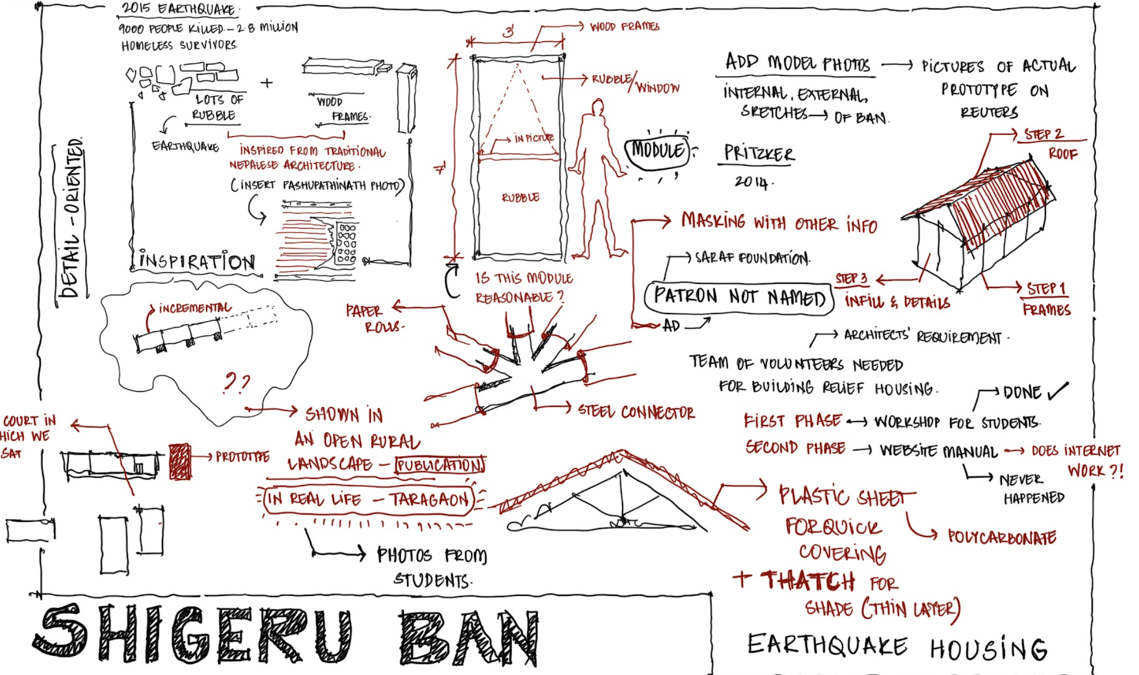
Shigeru Ban had already built a name for himself in post-disaster construction when he came to Nepal following the 2015 earthquakes in which 500,000 people lost their homes. The basic design and its 3D-rendered images were reviewed in upbeat articles on DOMUS, Architectural Review, Dezeen, and Arch Daily.
But his signature cardboard tubes could not handle the monsoon and the roof structure had to be re-designed with timber. Only two shelters were completed in Sindupalchok, and only one of them still stands at the Hyatt Regency grounds today, as Ban’s souvenir to Nepal.
Rem Koolhaas

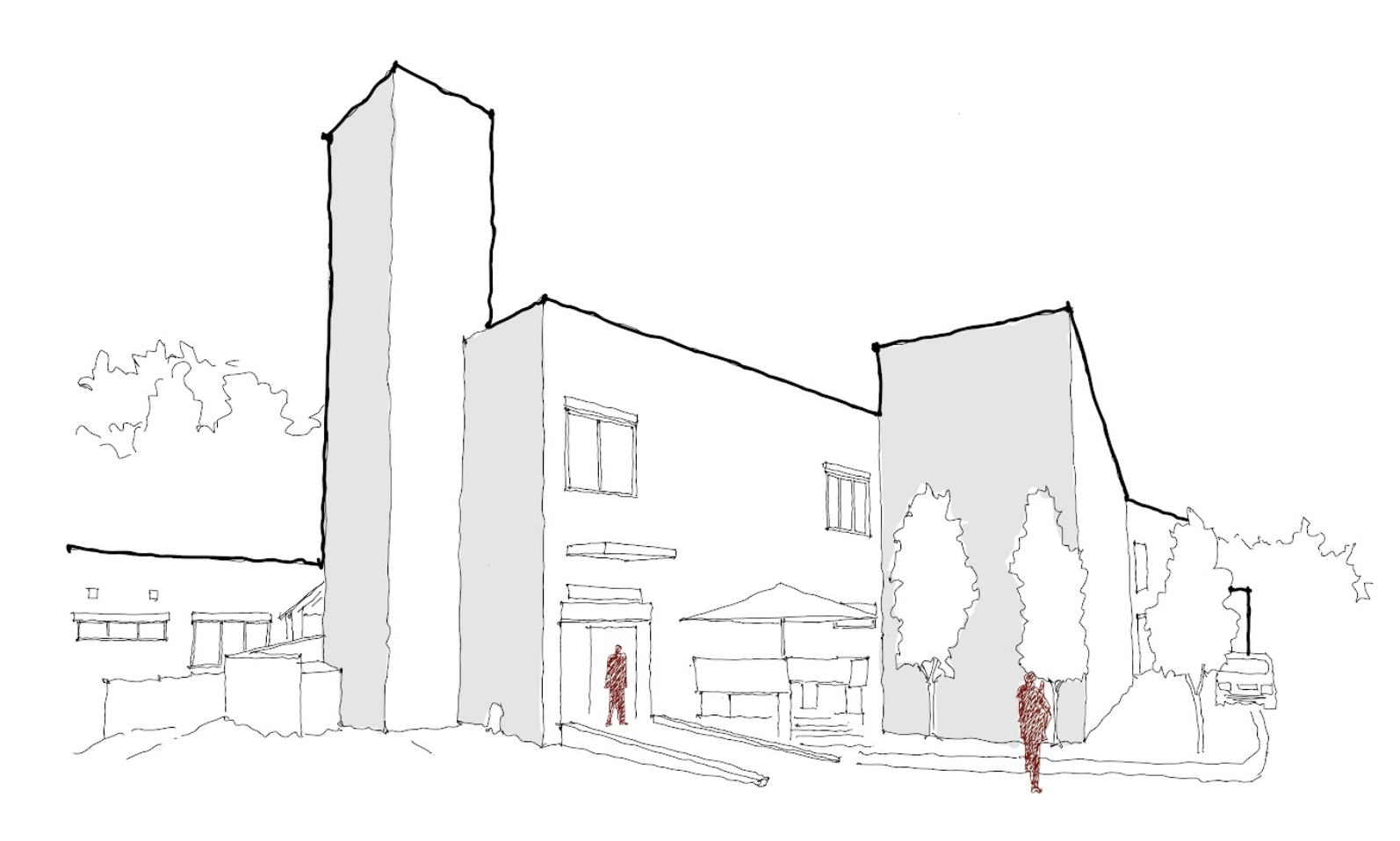
The designs of Dutch architect Rem Koolhaas have a specific signature: bold shapes and an intriguing architectural typology that challenges standard building blocks. Some designs even seem to defy gravity, like the CCTV headquarters in Beijing: an angular, continuous geometry of glass and steel.
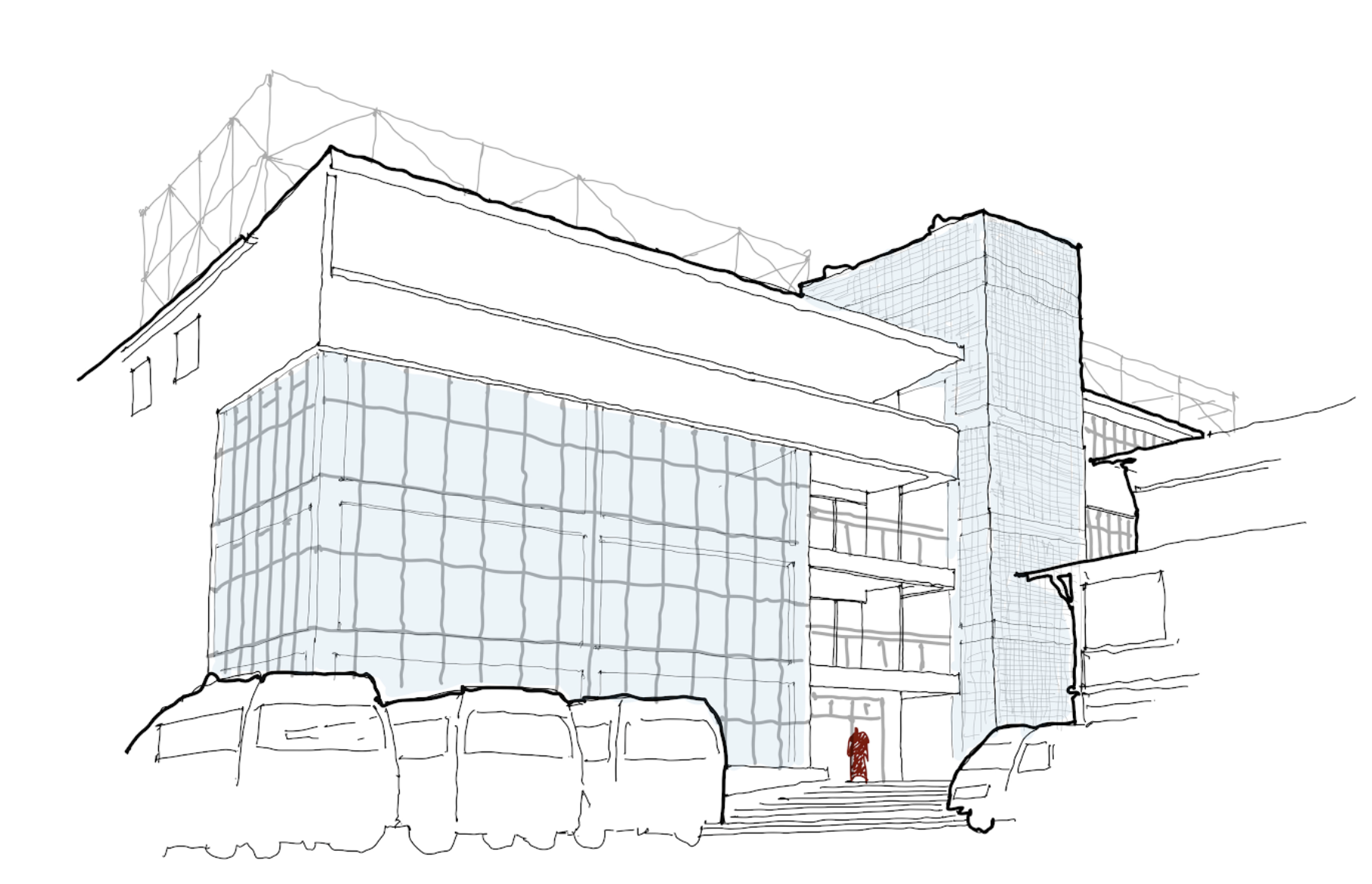
Koolhaas was commissioned by Belgian billionaire Guy Ullens to design a new building for Ullens School in Khumaltar. The most prominent feature is its vertical glass block staircase. Some interior spaces have lowered windowsills, which provide ample views and daylight. But the school building has gone unremarked in Nepal.