
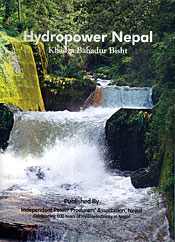
 Hydropower Nepal IPPAN, 2010 ISBN: 978-9937-2-2732-2 Pages: 293 |
Flipping though Khadga Bahadur Bisht's book celebrating the centenary of electricity in Nepal by candlelight this week, the absurdity of it all suddenly dawned on me. It also demonstrated how inured we have become to power cuts.
Crippling 14-hour power cuts in a country with among the highest per capita hydroelectricity generation potential in the world are an indication of shameless malgovernance, and just how completely our rulers have let us down since 1990.
Bisht is with the Independent Power Producers' Association of Nepal, which published the book, 'Hydropower Nepal', to mark 100 years since the commissioning of the 500kW Pharping power plant in 1911. In hindsight, the fact that Nepal was generating electric power for streetlights even before the UK had established a national grid could be considered something of an achievement. 100 years later, few of Kathmandu's streetlights work even when there is power.
'Hydropower Nepal' is a useful reference tool for the past, present and future of hydropower development in Nepal with a glossary of rivers, hydropower plants and a wishlist of projects.
Domestic political squabbling among political parties contributed to the current power crisis. After Prime Minister Girija Prasad Koirala signed the Mahakali Treaty with India in 1996 Bisht says, UML mounted a nationalist campaign and overthrew him, but UML itself split when it went ahead and ratified the treaty.
Bisht lists other reasons for the power famine: fecklessness and political interference at the Nepal Electricity Authority, delays due to the conflict, the state's negative attitude towards private producers, low tariffs and dollar-denominated deals. The book cites the World Bank's withdrawal from the Arun III project in 1995 as the watershed that precipitated the loadshedding crisis. But some Arun slayer activists would probably argue that Arun was the wrong project at the wrong time and more power was generated by cheaper, medium-sized plants in the ten years after it was scrapped.