“It's Kathmandu.”
Just as the family was sitting down for one of its extended lunches, that jubilant cry was from François Driard’s grandfather announcing the next posting for his diplomat parents.
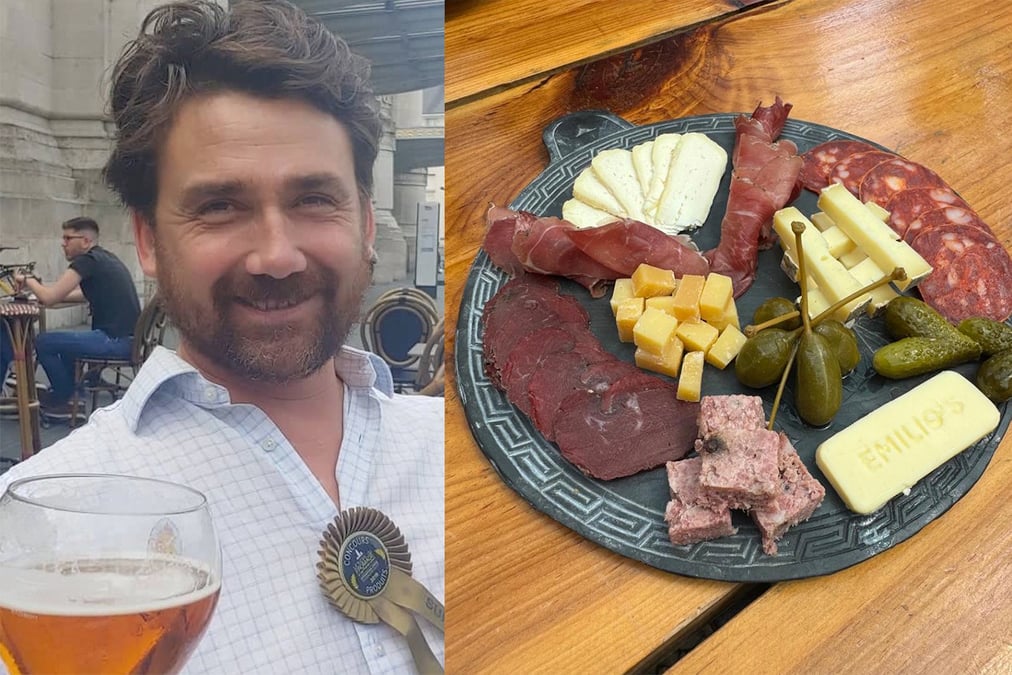
Driard (pictured) was 18 in the summer of 1996, a bit of a hippie already, and his life was about to change forever with the magical word “Kathmandu”.
“I was awed with that information from my grandfather, nothing else mattered … In France in the 1990s, Kathmandu had a mythical aura,” Driard recalls.
He came to Kathmandu for Christmas that year to visit his stepfather, the French Ambassador Michel Lummaux. It was to be the first of many visits during school holidays, before he decided to permanently settle down in Nepal.
“Kathmandu, and Nepal, were very different then, it was magical, I liked the nature, the people, civilisation, temples, trees,” says Driard, who explored the country sitting on the top of buses. “Visitors talk about the crazy urbanisation, traffic jams today, and all that is true. But Kathmandu has not lost its soul.”
After his stepfather’s tenure in Nepal ended, Driard worked as a business reporter for international publications but decided he did not want to be anyone’s employee anymore. In 2007 he landed in Kathmandu with €20,000 in savings to invest.
He knew a few crucial things about himself: he liked food and nature, which is very much tied up with his upbringing--full of lively conversations during lunch and dinner at the family table between abundant cheese, wine and cigars.
So he decided it would be cheese, and registered Himalayan French Cheese and went to the French Alps for a month to learn how to make Tomme de Savoie.
“Cheese making is such an ancient craft and so I thought I won’t need much money or studying which I hated and indeed, if you have a tamako bhado and fire you are set,” explains Driard. But Nepal’s temperature and humidity were not ideal, even at higher altitudes. The first customers for his cheese were the Hyatt Regency and Nina and Hager. But he needed to create a market for cheese in a country which only knew hard churpi in the north and soft paneer in the south.
He started selling his cheeses at the Summit Hotel weekend market, expanding to his own 1905 Farmer’s Market which later moved to Le Sherpa in Maharajganj, where it is now, and also a market at Labim Mall in Pulchok.