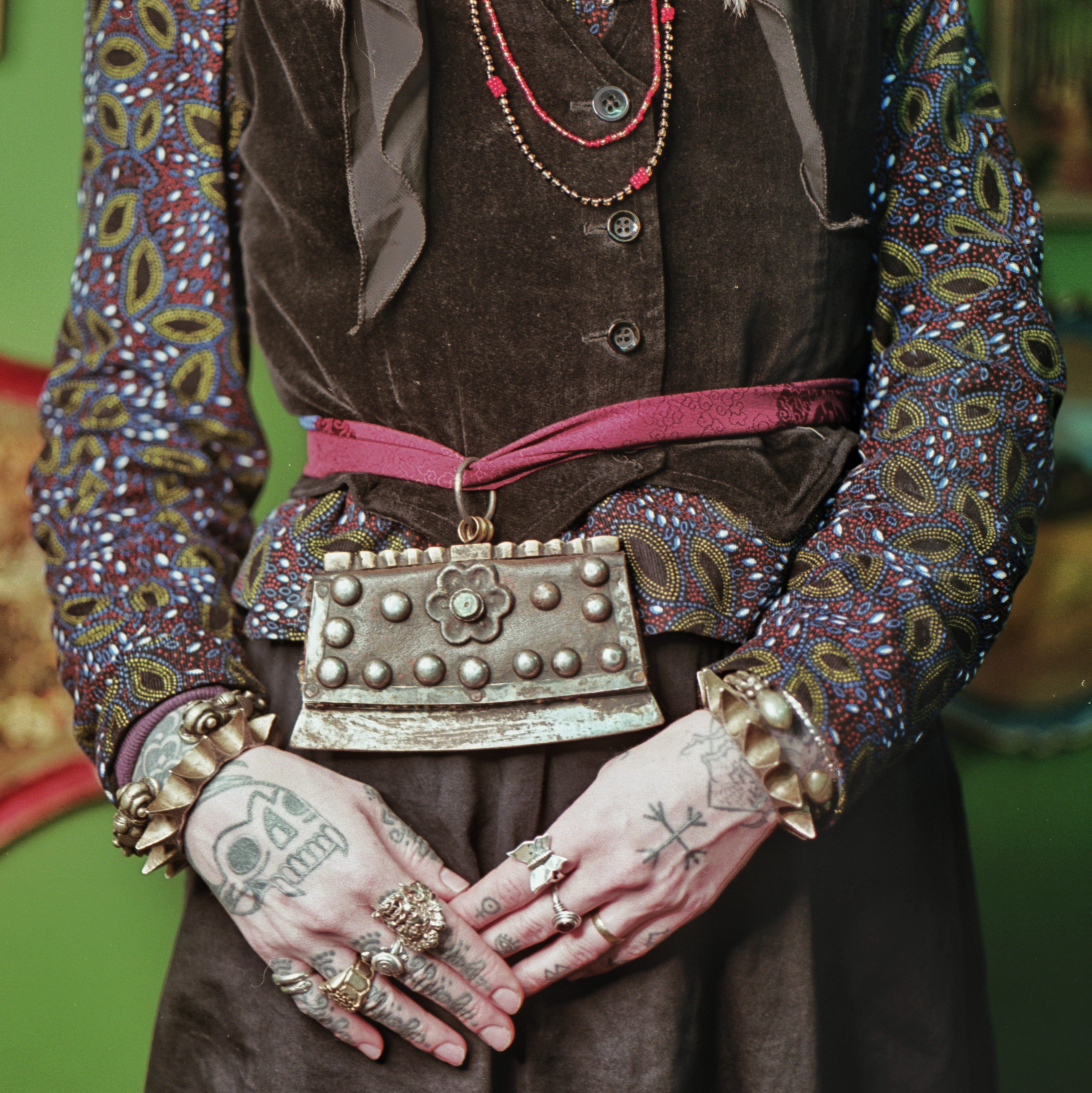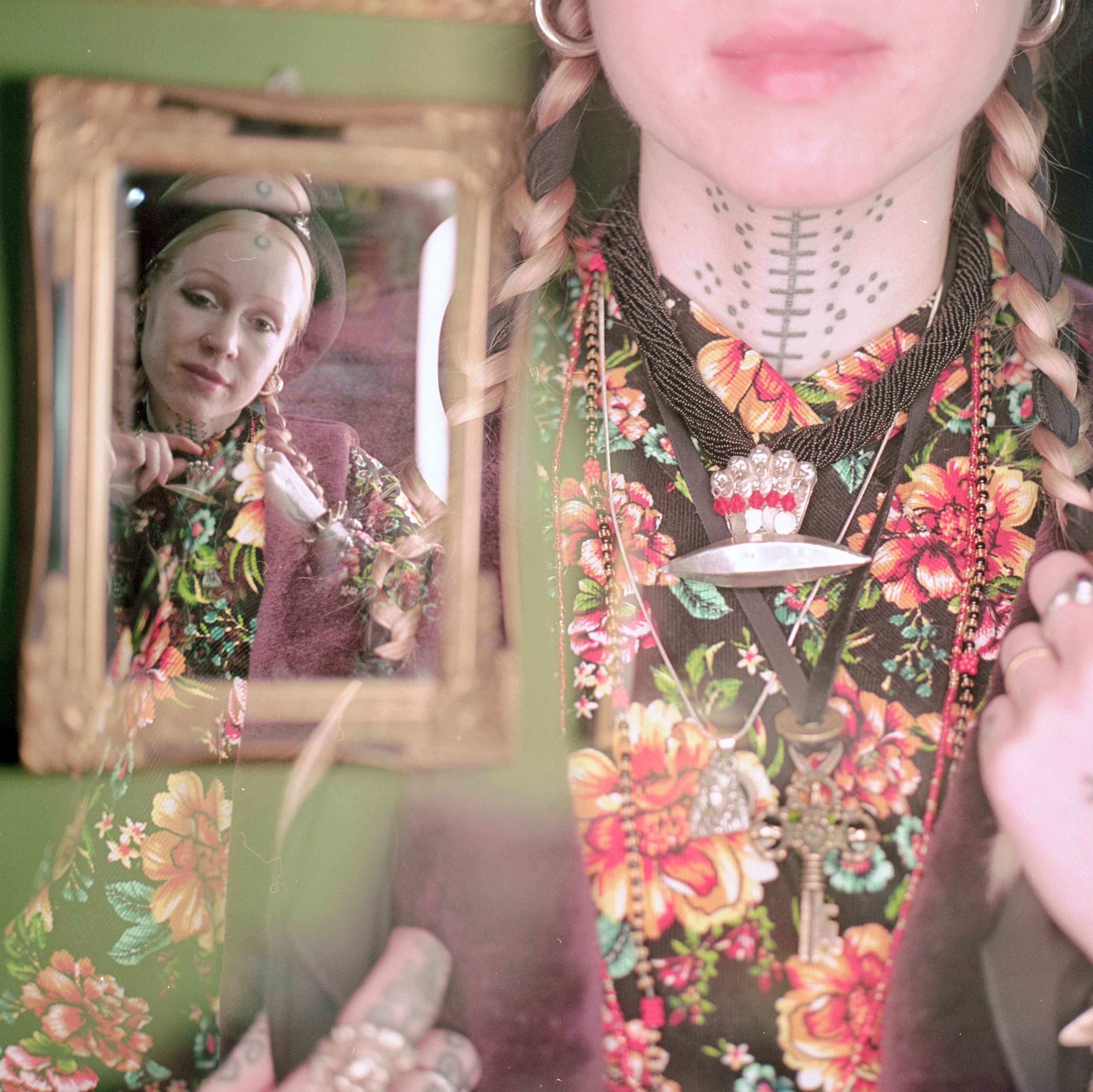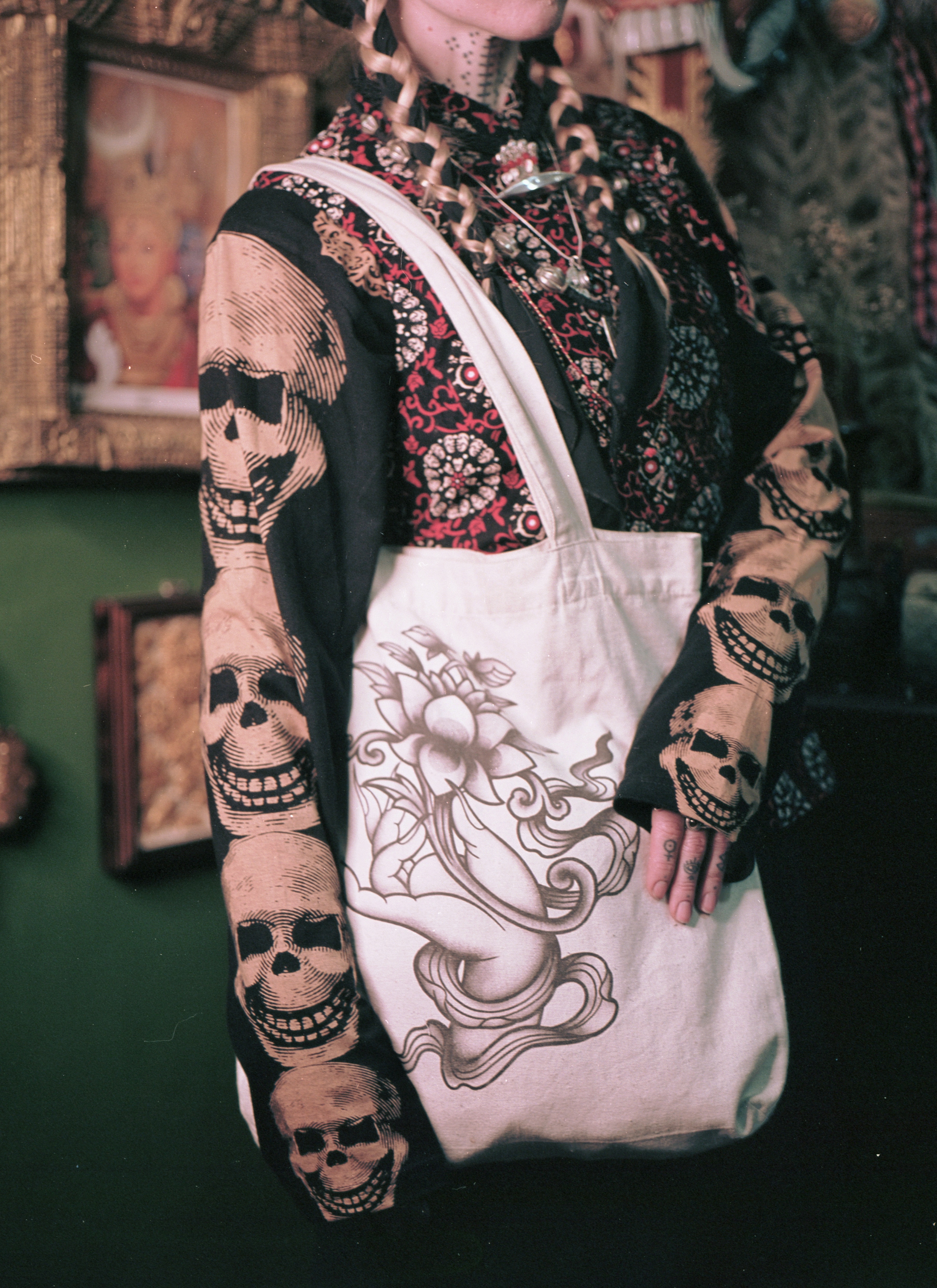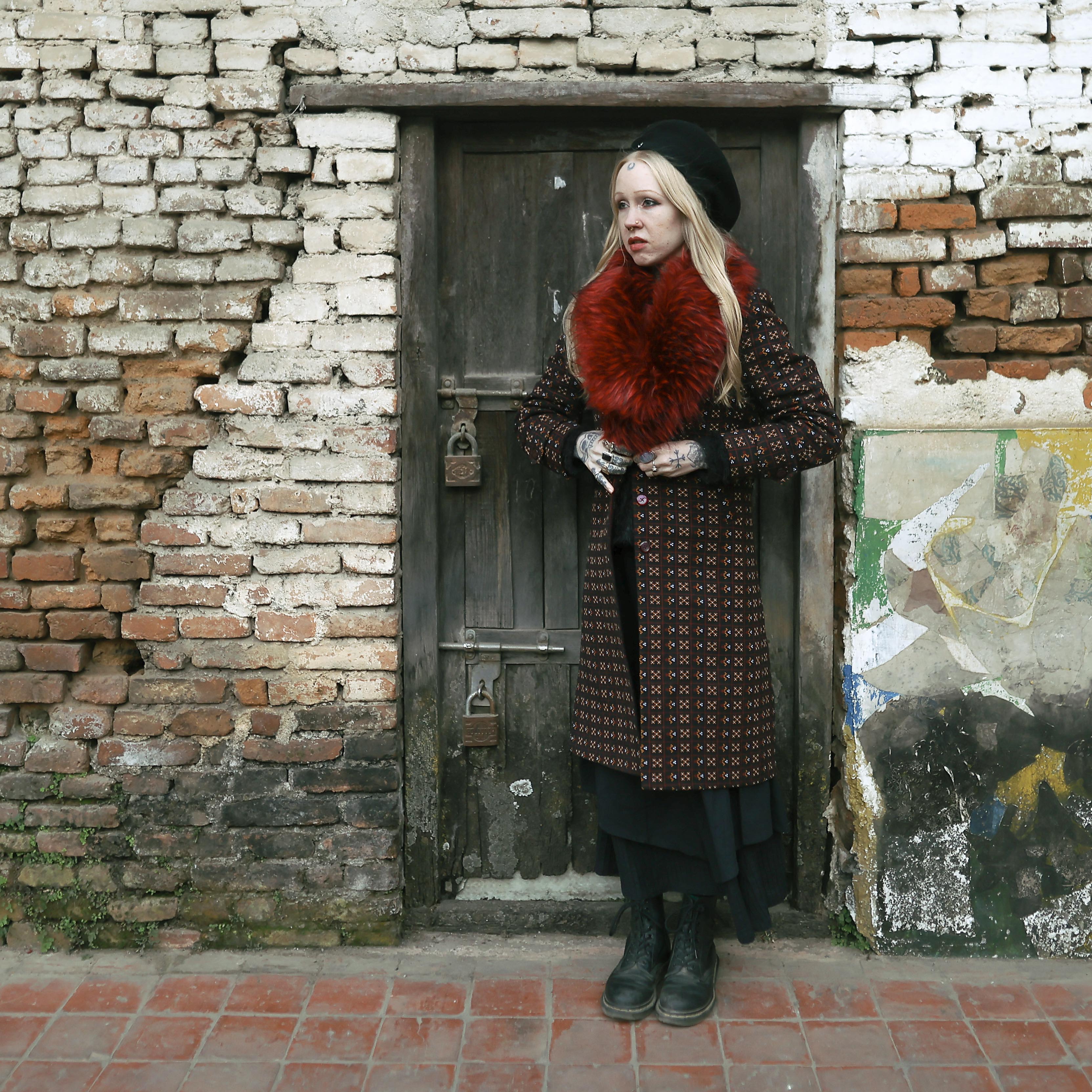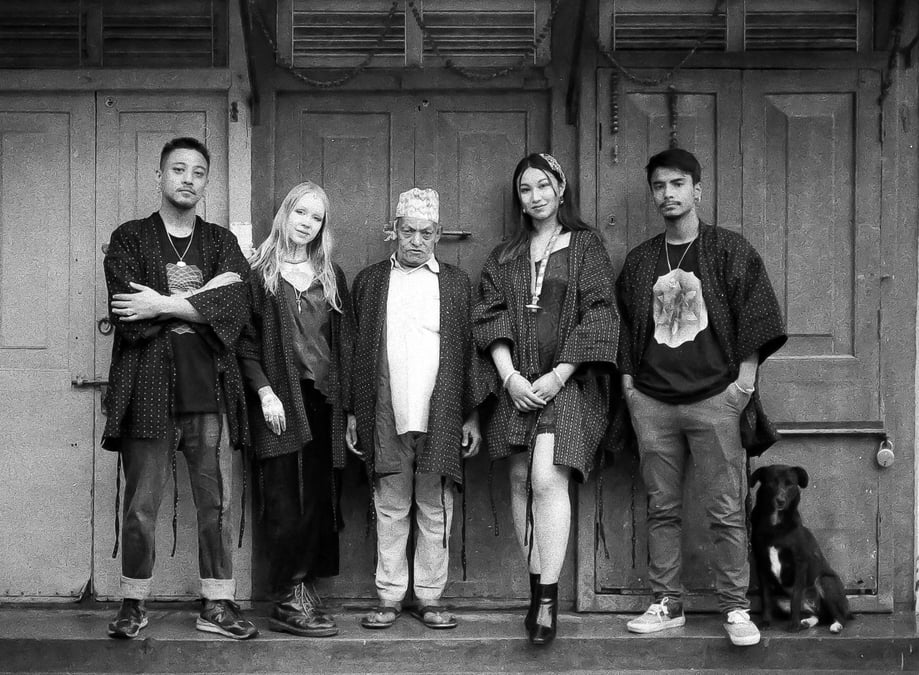
With its abundant cultural and environmental diversity, the ripples of Nepal’s aesthetic influence are being felt within the country and across the world. Creatives are constantly finding fresh ways to mix traditional elements into their personal inspirations.
Be it their grandmother’s Bulaki or ethnic textiles reimagined in global silhouettes, Nepali designers, artists, and musicians are breathing new life into historic styles.
Nepal has a wealth of traditional textiles, from handloom Dhaka to Haku Patasi. With their distinctive colour schemes and wide variety of patterns, these textiles lend themselves to being reworked as fusion style garments. Nepali brands and local tailors alike are increasingly using these weaves.
Read also: A designer by design, Sahina Shrestha
Kathmandu-based tailor Riddhi Bajracharya has begun creating tailored overcoats and blazers in Haku Patasi while Nepal-Scotland based brand Clove and Moon reimagines the weave in Japanese Jinbei, waistcoats, and accessories. Other brands are adding elements of the textile to their accessories as the popularity of traditional Newar dress is visibly increasing, even beyond jatra and feasts.
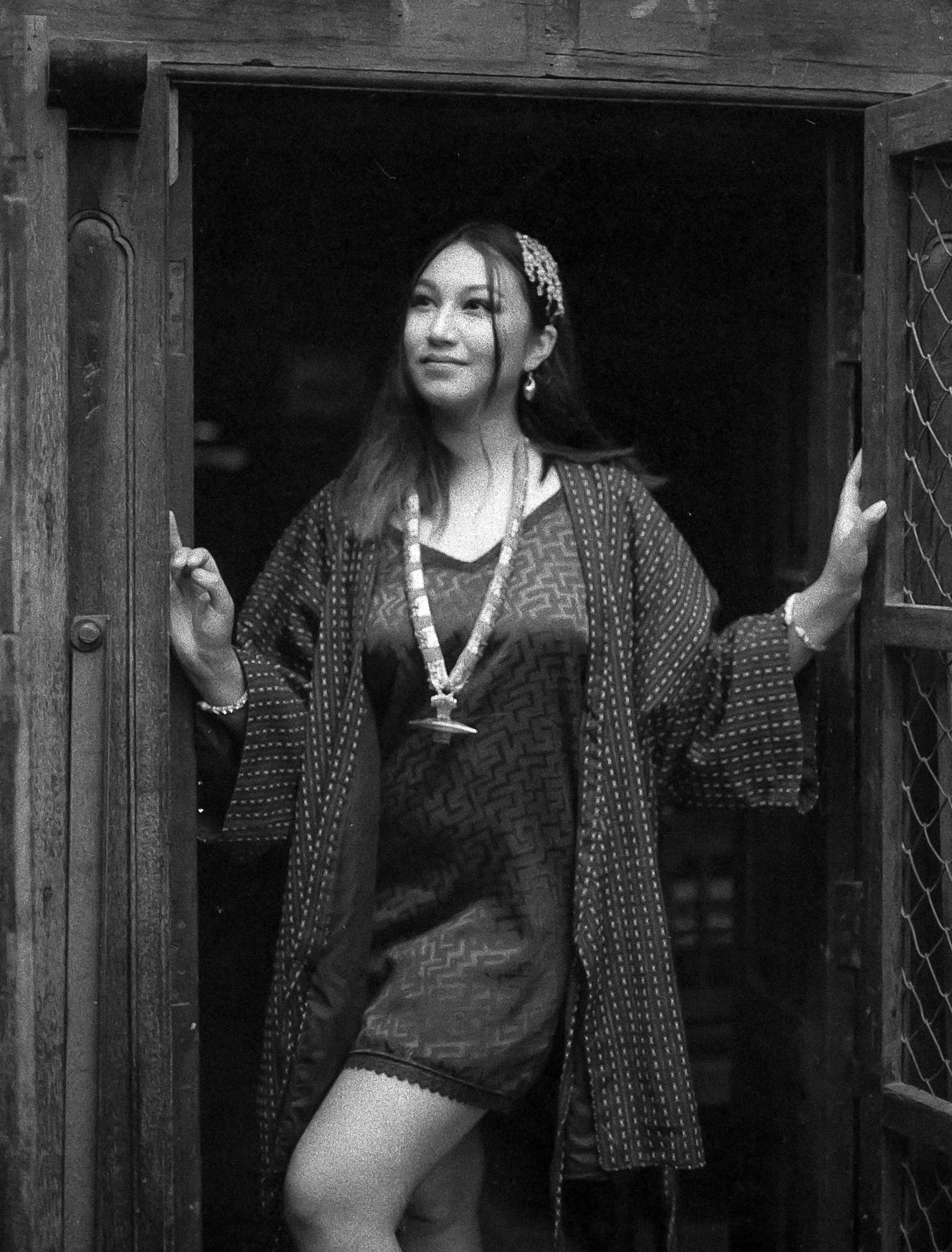
“We are seeing huge increases in demand for Haku Patasi clothing,” says Manjushree Tailors owner Riddhi Bajracharya. “We see many more people going out wearing Newari dress in the streets, wearing both traditional and fusion styles like tailored coats and gowns. Some people find wearing sari uncomfortable for events, so they order Haku Patasi gowns in different styles to mix heritage with comfort.”
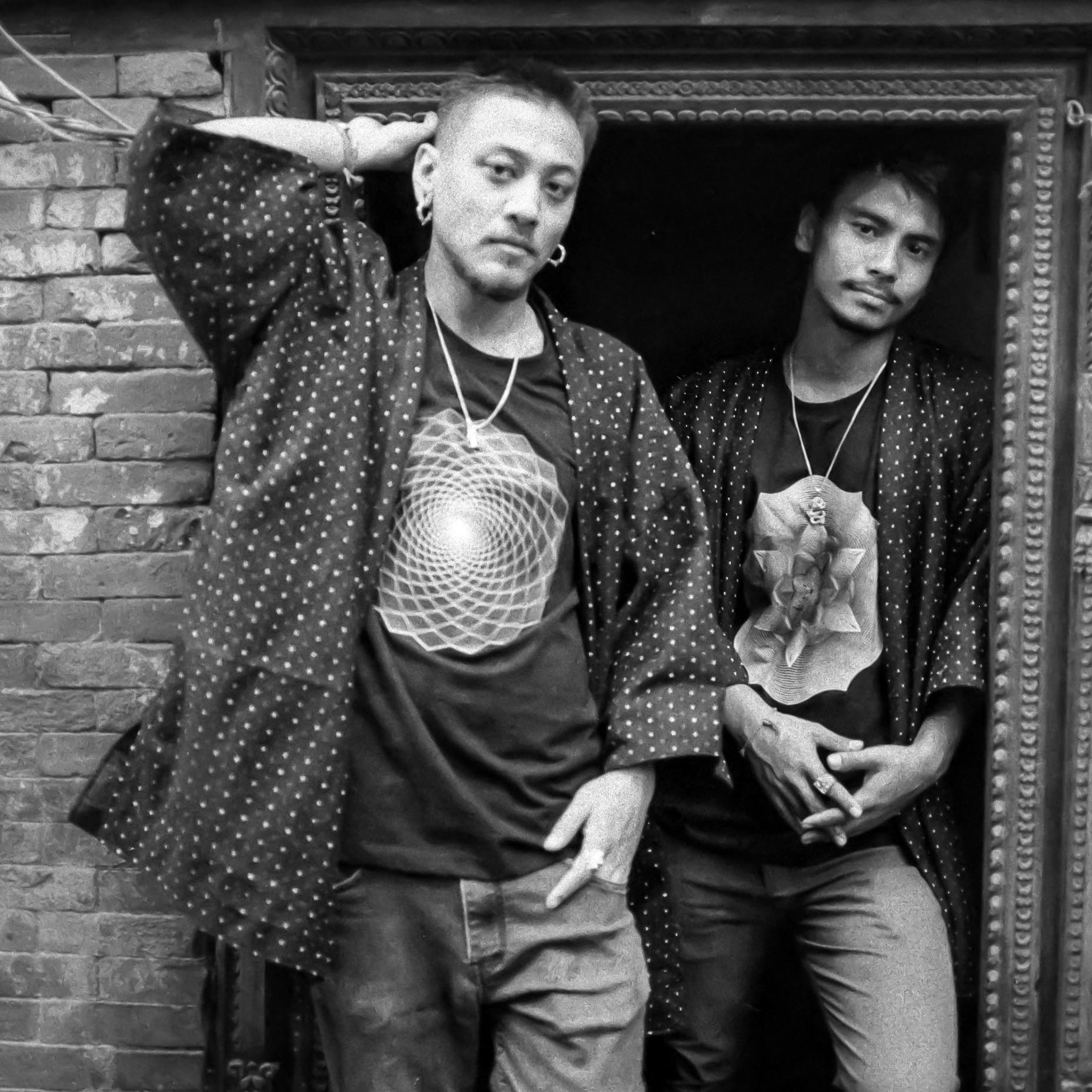
Nepal’s contemporary musicians blend local with global in their songs, and they also often experiment with innovative fusionwear looks both on- and off-stage.
“I enjoy mixing traditional Nepali and western style because it looks cool,” says Samrat Manandhar, drummer for Shree 3 and Tumbleweed Inc. “It’s comfortable as well, and mixed styles look unique.”
Perhaps one of the most recognisable Nepali women’s garments is the Chaubandi Cholo. Whether in jewel toned velvets or patterned Cauterize (needlecord), the eclectically inclined are pairing these traditional blouses with everything from miniskirts to maxi dresses. They are using fabrics often reserved for the blouse to make waistcoats or vintage style separates.
As thrifting continues to gain popularity in Nepal, vintage and secondhand clothing is increasingly seen mixed with Nepalese garments by all ages to create unique looks.
Nepali Dago, arguably the original hair extensions, are another part of Nepal’s rich aesthetic heritage making a comeback in recent years. Paired equally well with jeans and a t-shirt as with a ruby red sari, this accessory is increasingly brightening up streetwear from Kathmandu to New York.
Many countries associate nose piercings with subcultures, especially the septum piercing. In Nepal, the Fuli and Bulaki have been worn by multiple ethnic groups for generations, sometimes measuring over an inch long. Having a unique ability to signal an alternative leaning and a nod to tradition, some find the piercing a beautiful way to showcase facets of their identity, in Nepal and abroad.
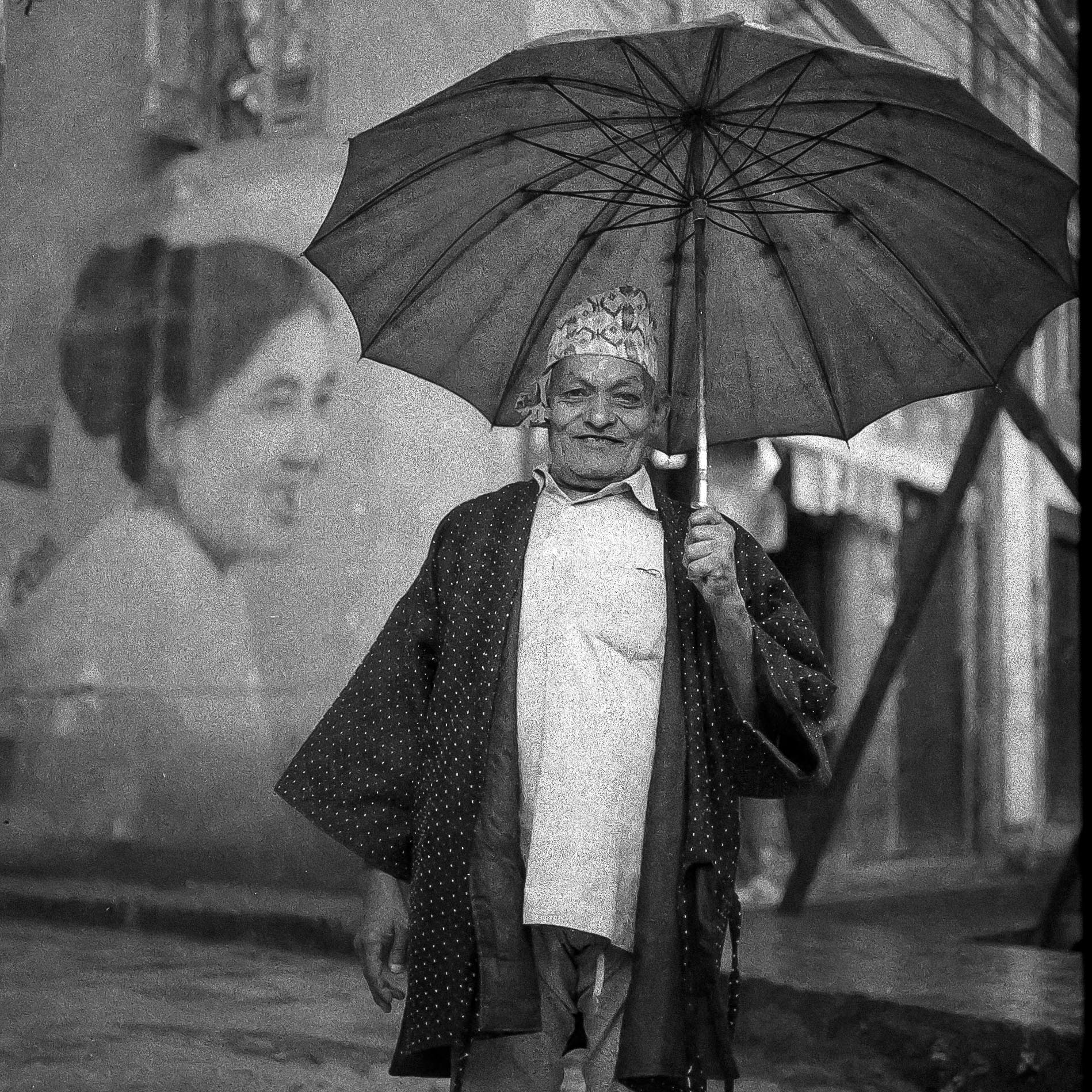
“Growing up, I never really understood the significance of fusion wear,” says e-commerce account manager Krisha Bhattarai. “My mom would always incorporate tika, potey, and other Nepali bits and pieces into her everyday outfits, but it wasn’t until I started to decolonise my mindset that I began to see why she did it.”