
If the earthquake in April was not enough, Nepalis are now bearing the brunt of a bigger catastrophe, this time in the form of a blockade imposed by India and enforced by the agitating Madhesi Morcha parties in central and eastern Tarai.
Millions of Nepalis are facing an acute shortage of fuel, medicines and essentials because a section feels justified in choking the entire nation to get their demands met. What started as a movement for justice and equality has fallen into the hands of politicians who would willingly plunge the country to ethnic war in order to gain political power. Fifty people have already died in violent confrontations between Morcha cadres and the police.
The protests have taken such a violent turn, it is now common to hear of ambulances and buses being attacked, police posts being bombed and ordinary people set to fire for ‘smuggling’ few litres of petrol. The brutalisation of politics in this scale is not a sudden occurrence. The humanitarian crisis that the blockade has unleashed will torment Nepal for years to come but to understand how we came to this point, one has to go back to where it all started.
Retired Assistant Secretary General at the UN and one of the most senior Nepalis in the international civil service, Kul Chandra Gautam, takes us to the heart of our problems in his book Lost In Transition: Rebuilding Nepal from the Maoist mayhem and the mega earthquake. In a brilliant counter-narrative, Gautam destroys the dominant discourse that eulogises the Maoist war as a natural and inevitable uprising of the oppressed, arguing instead that the war cut short Nepal’s march towards democracy and development and pushed us into protracted transition.
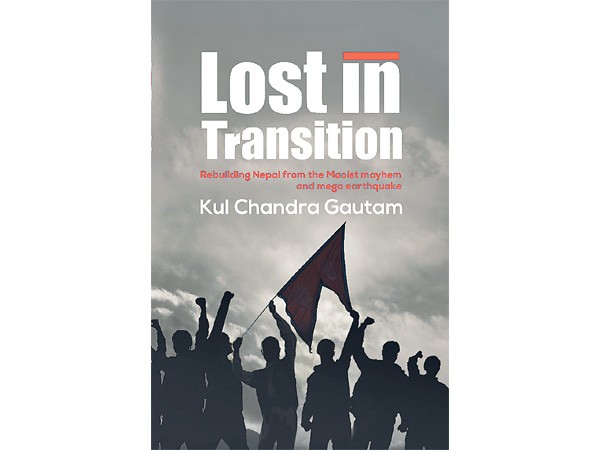
He argues that the Maoist movement used grievances of the oppressed and the marginalised to launch a power grab, and in doing so, derailed democratic consolidation and state-building at a crucial point in our history -- pushing the country into a needless and ruinous war and disempowering the state. Gautam challenges the root causes theory that has been the leading explanation for the Maoist war and argues that the war was more an instrument for state capture, as frequently declared by the Maoist leadership in public and private meetings, than a genuine desire to liberate the oppressed who in reality have been the biggest victims of the Maoist war.
More significantly, he argues that the Maoist war established political violence as a legitimate instrument to gain power and institutionalised the culture of impunity with repercussions far into the future. Indeed, in many ways, our current problems are tied to our uncritical acceptance of the Maoist violence and our inability to challenge them on their decision to bypass legal, constitutional and democratic means for achieving political goals and setting a dangerous precedent for other political groups. The Maoists chose to wage guerilla warfare against a young democracy that was only beginning to free itself from the shackles of autocratic monarchy. At a time when the state should be building institutions, ours was embroiled in fighting an insurgency. In essence, that has been the story of the Nepali state post democracy: a continued fight for survival with domestic and external forces while never having the opportunity to consolidate and strengthen itself. This continued erosion of state capacity, abetted by glorification of destabilising forces, militant rhetoric and political adventurism is what is at the source of our problems. Moving forward from this mayhem as Gautam argues will require discarding all outdated, parochial and extremist ideologies, embracing democratic values and prioritising economic development , inclusion and good governance.