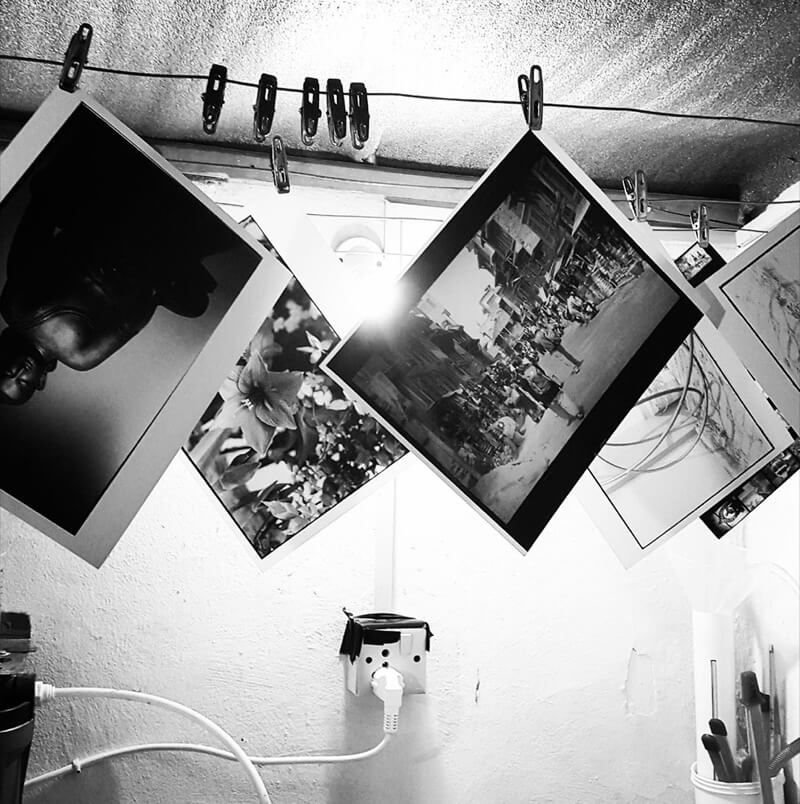
In the selfie age, when all it takes is a click to create a picture and seconds for the world to see it, few people remember the age of analogue photography. Rolling up the film inside a camera, leaving it at a photo shop, and the anticipation of savouring the prints one by one is all a memory today.
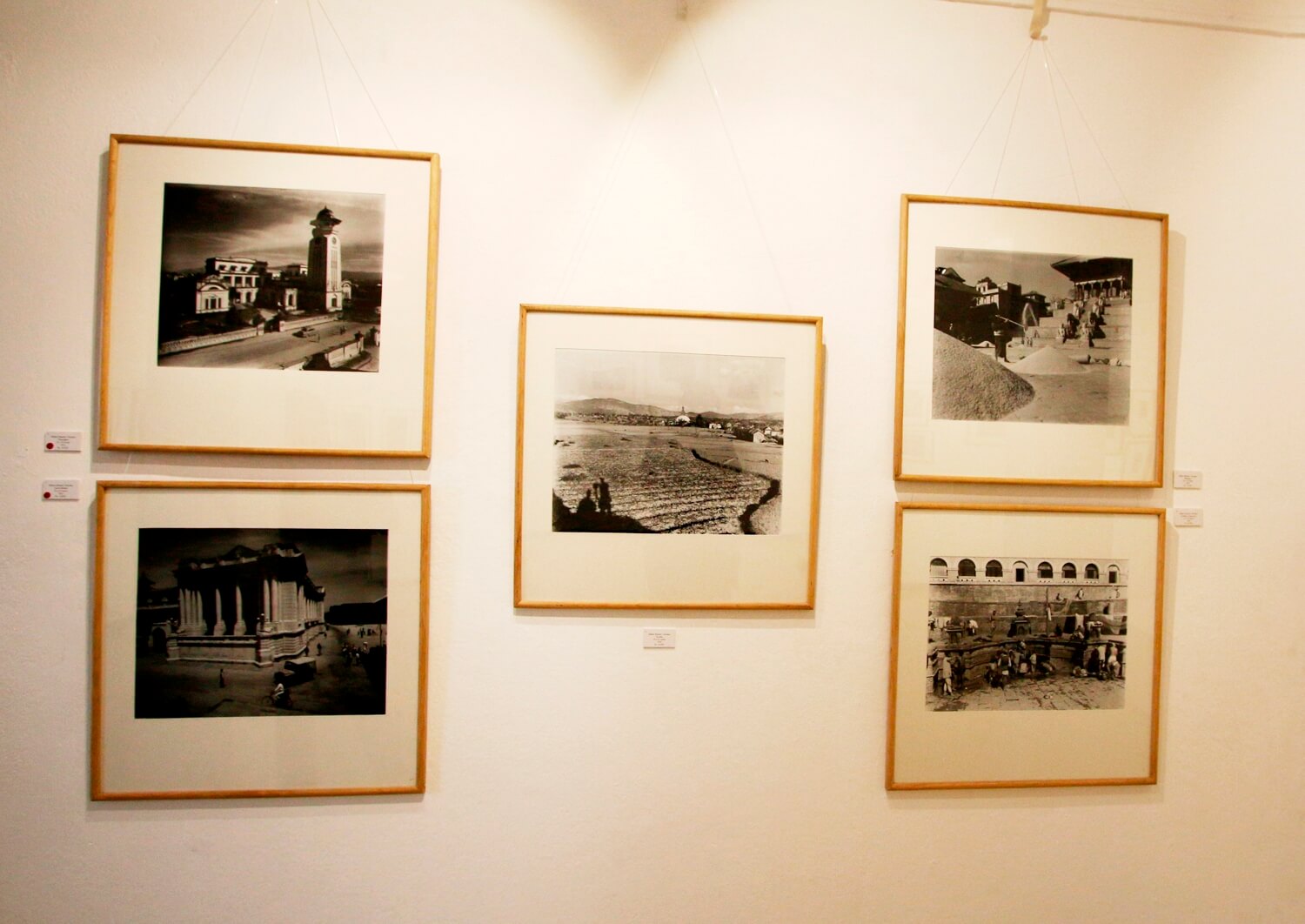
Surprisingly, analogue photography still has many enthusiasts in Kathmandu, who find the darkroom developing process delightful, or seek out treasure troves of nostalgia in old prints. Some of these old photographs are up at an exhibition by Film Foundry at Siddhartha Art Gallery, Baber Mahal.
“We found that there was not much awareness of analogue. It was like a lost craft. So we gathered analogue enthusiasts to share knowledge about this art form,” says Jagadish Upadhya of Film Foundry.
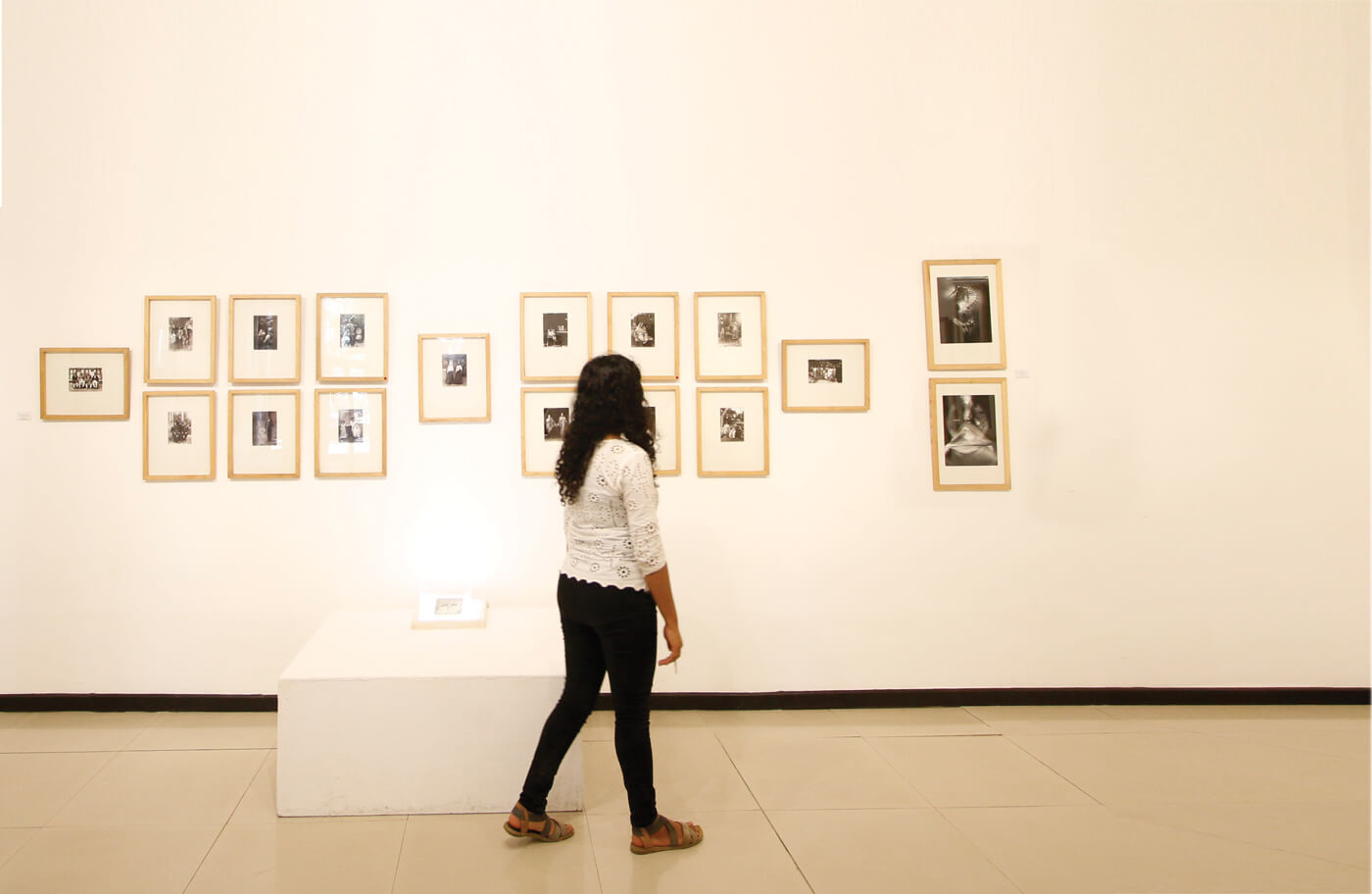
The exhibition displays black and white works by over 40 artists, including young enthusiasts, veterans and others who have passed away. On the ground floor are nostalgic black and white prints of a bygone Kathmandu. Open spaces, fields and hills stand out, landmarks like Swoyambhu, Boudha and Dharahara gleam instead of being shrouded by the city as they are today. Shreedhar Lal Manandhar, Bakhat Bahadur Chitrakar and others are considered pioneers of Nepali photography.
Photos from the Chitrakar family collection show men and women in traditional costumes, army uniforms and voluminous skirts. In one posed shot, a woman in flowing hair and graceful sari reads a book under a tree, and one wonders who she could be.
“We found the negatives of these images in the wreckage of my sister’s home after the 2015 earthquake,” says Pawan Chitrakar, who provided the images. “Obviously, they are valuable as photographic history and document old lifestyles. But sadly, we don’t exactly know who took them, though we can guess that they were my brother-in-law’s ancestors.”
Ashoke Rana, CEO of Himalayan Bank, inaugurated the exhibit and said there must be treasure troves of negatives and glass plates still hidden in attics. “I have come across many wonderful catalogues and been fascinated. They show us so much about our history, and provide us with a window through time, of days gone by,” Rana said.
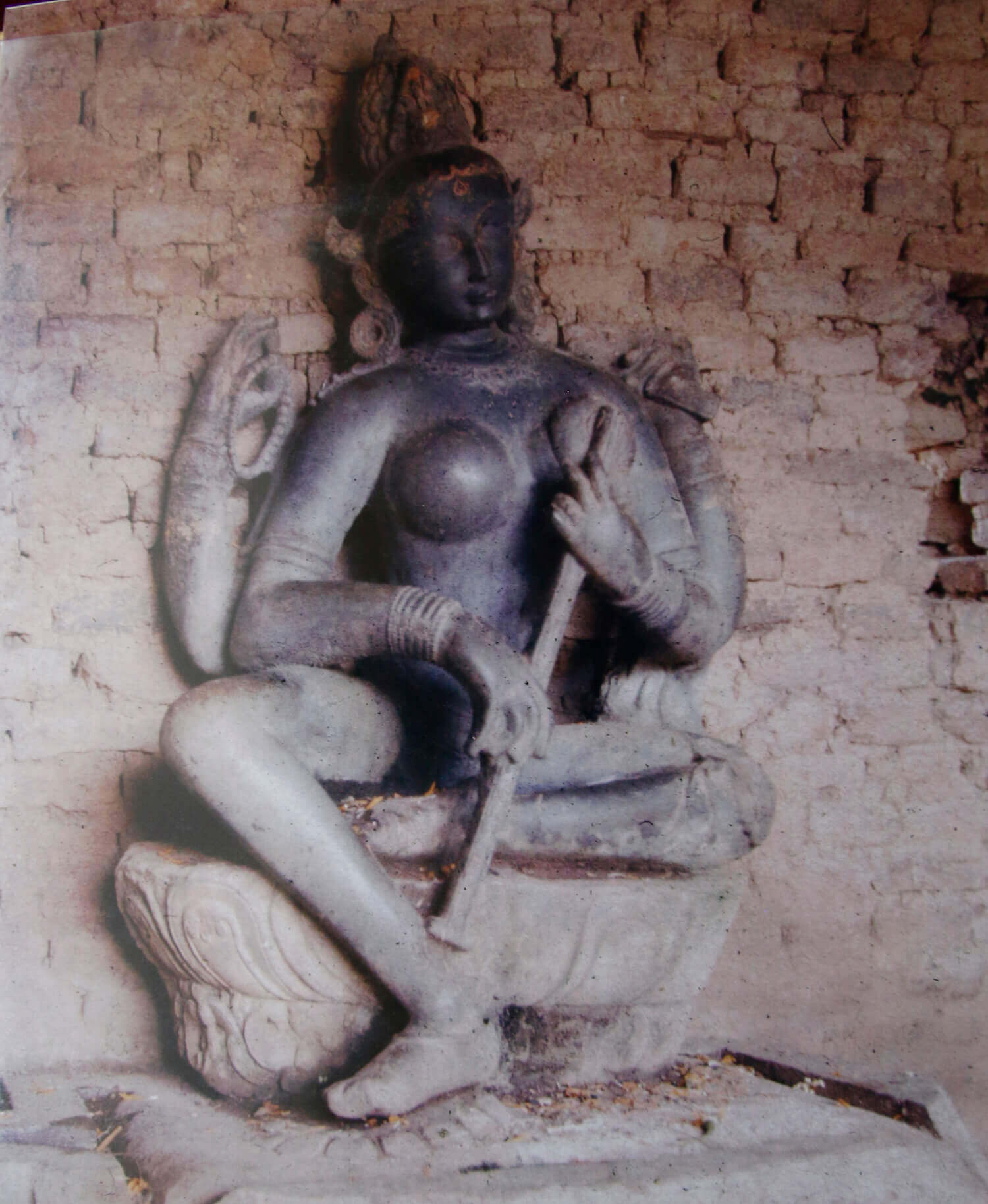
A floor up at Siddhartha are works by young artists who have taken up analogue photography in the digital age, experimenting with materials like tea and turmeric to bring out different tones, and printing on Nepali paper for a distinctive feel.
“The purity of their intent struck me,” said Sangeeta Thapa of Siddhartha Art Gallery.
The photographers themselves say they are going back to an earlier technology because it forced them to think before clicking, getting the composition and light right. Today it seems like state-of-the-art equipment is all you need to create good photographs, but these analogue pictures remind us that it is the photographer’s eye that matters most, more than the equipment.
Life in Analogue
Siddhartha Art Gallery
4-21 August
Read Also:
Exposure to early photography, Smriti Basnet
Mobile darkroom, Yantrik
Shreedhar Lal Manandhar
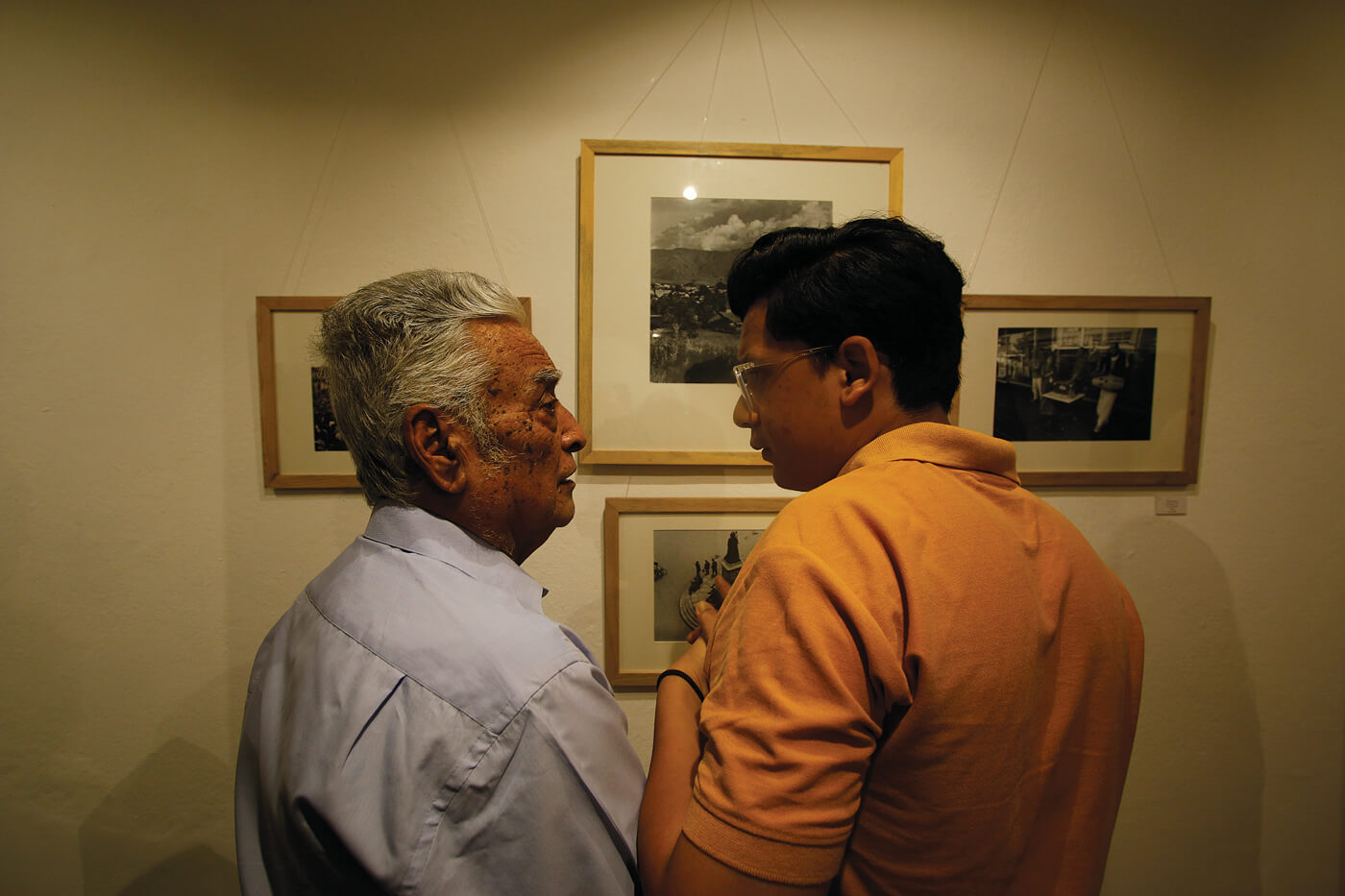
https://www.youtube.com/watch?v=rRbpSbUIK-g&feature=youtu.beAt 80, the silver-haired pioneer of photography in Nepal is semi-paralysed and homebound. But it is clear from his photographs that Shreedhar Lal Manandhar (left, above, with his grandson) lived a full and active life. On display at Siddhartha Art Gallery are his photos of many festivals in Kathmandu.