 SAM KANG LI |
Nepal's easternmost district of Ilam is known for its diligent citizens and scenic tea gardens, but it is also showing the way about how towns can be cleaner and greener with community participation and competent leadership.
The main strength of this district bordering Darjeeling in India is its educated population, and the visionary leadership of its elders. The district capital is now a model municipality promoting health, education, and an environment-friendly outlook by being the first district in Nepal to ban plastic bags.
"The town council has a clear workplan to develop infrastructure while conserving the environment," says Kamal Mainali, environment officer at Ilam municipality, "and it is all geared to improve the quality of life of our people."
Ilam has shown that the absence of district and municipality elections for the past 14 years does not necessarily mean a lack of accountability. The municipality has for the past 30 years worked closely with visionary local non-profits like the Namsaling Community Development Centre (NCDC).
NCDC's climate change officer Aava Shrestha told us during a recent visit: "Natural resource management and energy efficiency are central to the concept of developing Ilam as a Green City and that is what we are working to do." (see box)
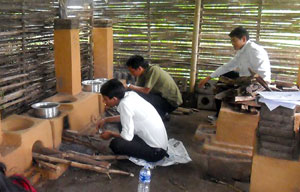
Ilam's network of micro hydro power currently benefits 20,000 people in and around Ilam, and has only three hours of power cuts a day. Two wards are using bio gas for cooking and to generate fertiliser for vegetable farms, and work has started to install solar-powered street lamps.
Ilam banned the use of plastic bags in 2010, earning it the Green City credential. The scheme is working well: shopkeepers are fined Rs 500 and shoppers fined Rs 200 on the spot for using plastic bags. The fine was a deterrence in the beginning, but most people now voluntarily shun plastic bags.
"We had to take this drastic step not just because plastic was littering the streets, but also because it was polluting water sources, clogging water pipelines, and producing toxic fumes when burnt at garbage dumps," says Dharma Gautam, a civil society activist. The municipality has set aside land to process bio-degradable waste and turn it into compost.
One of the major focus of Green City is on solid waste management and the municipality is raising awareness to create zero waste at source. Each shop has a large green bin for disposing waste, and many have started sorting waste. There are dustbins attached to every electricity pole on the road, and litter-free zones have been declared to protect water sources.
Namsaling is working with the municipality to develop community managed water supply systems. The town's population has doubled to 32,000 in the last 10 years, yet there is reliable water supply.
The 25-bed district hospital will soon start recycling all its water by filtering it through a reed bed. Green belts have been set up by reforesting denuded slopes around the town.
The key to Ilam's success has been that unlike national politics, the local political parties have worked together on good governance. "The co-operation of all the political parties and the decision of locals on priority projects have helped Ilam even during tough times," explains Gautam.
It also helps that Ilam's budget has increased by almost 25 per cent in the last few years because it was rewarded for its performance in overall development indicators. It was declared the best municipality in the eastern region last year and stood sixth nationwide. Now, Ilam's success is being replicated in other municipalities in eastern Nepal and the rest of the country.