
On 25 July, parliament directed the government to ratify the Rome Statute that created the International Criminal Court (ICC) in 2002. Representatives of NGOs forming the Asian Delegation for the ICC were here 25-27 August to lobby the government to take that next step.
Nepali Times: Why are you here now?
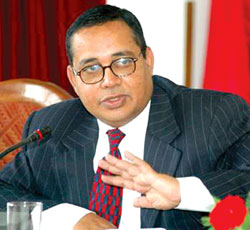
INSEC
Ahmed Ziauddin: Nepal was supposed to accede to the treaty long ago but then came the king's axe and everything stopped. So now we're resuming that long-overdue process. In a way we're also managing expectations. People say "there's the new court. It will solve all our problems." But we say "no."
You met the prime minister and other political leaders but you didn't meet the Maoists.
We had a meeting scheduled but they didn't come. One of the comments we heard is that they understand all the implications of the court, but they're not really confident about their future, so they're slightly hesitant. Nobody has to worry about whatever happened in the past because the ICC deals only with those who commit very serious crimes, such as genocide. What is more important for them to understand is that we are here talking about
how to ensure a secure, democratic future for Nepal.
Are you saying no crimes were committed during the conflict that would come under ICC jurisdiction: genocide, crimes against humanity or war crimes?
My personal belief is that there were no crimes against humanity or genocide committed. Yes, torture is a war crime and it's very, very serious. In that sense, the Maoists are vulnerable; one can argue there's been widespread (human rights) violations. But then again, the (ICC) Prosecutor must analyse and put all of this into the international context-what's happened in places like Rwanda, Democratic Republic of the Congo, Darfur. No doubt what happened in Nepal was horrible, but the scale, nature, and intensity is not at the top of that league. Realistically, we don't expect the Maoists to be before the court.