
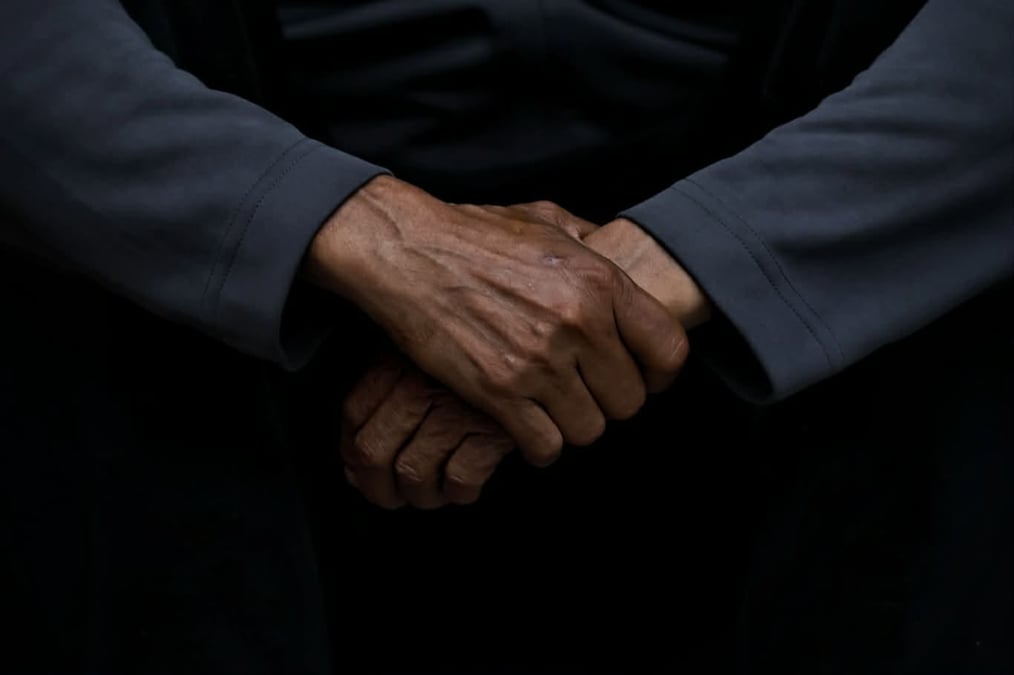
Talk of death is everywhere at the premises of a Kathmandu hospital: “Is he still recognisable?”, “How do we keep the body from decomposing?”, “It has been four days, there is no chance she is alive.”
There are no stories here of miraculous survival. Yet, families milling around in the evening rain waiting outside Teaching Hospital still hope against hope. Many have resigned themselves to fate, and are preparing for the worst. Now, they just want news of a body found so they can get closure.
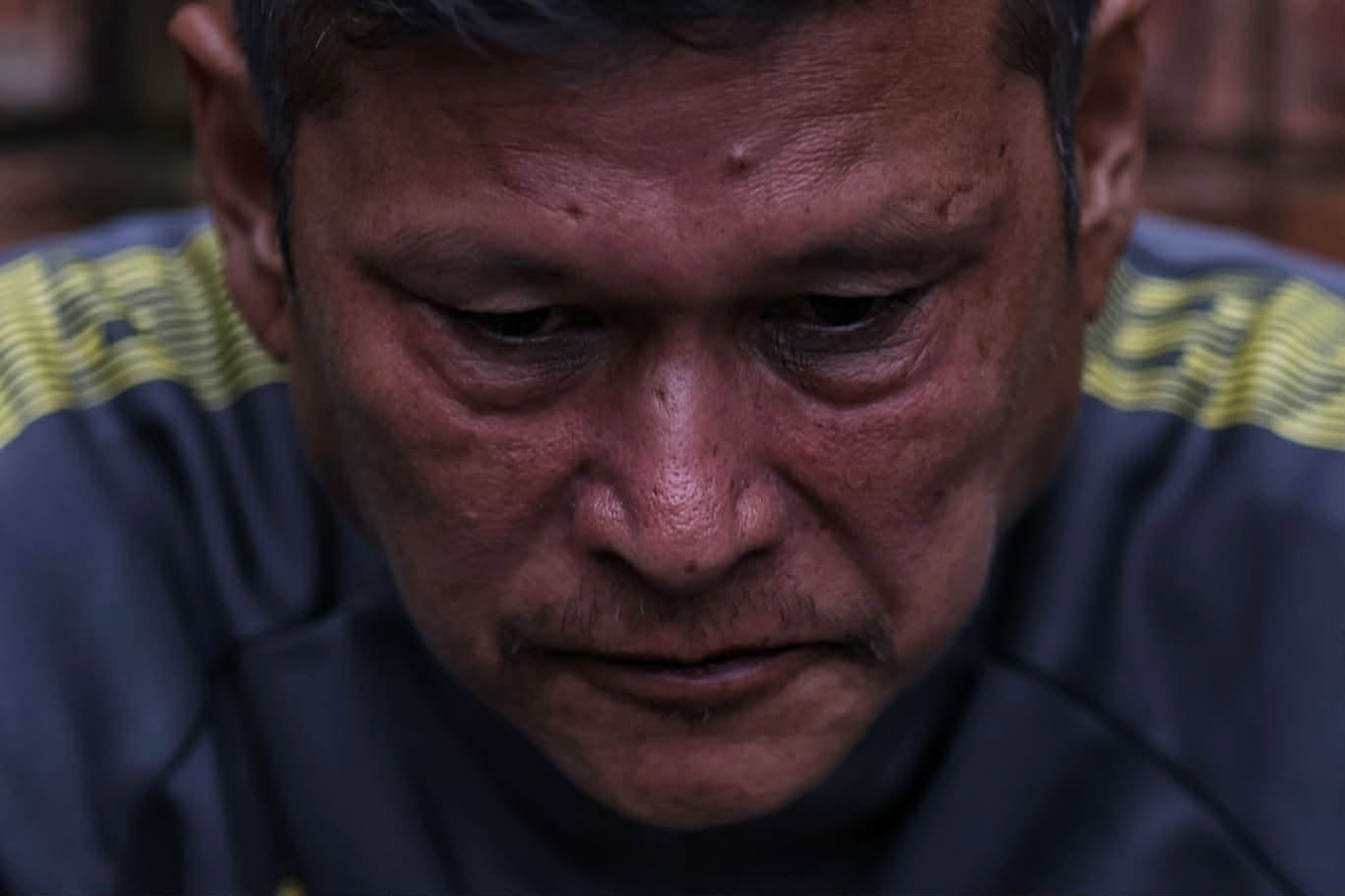
Others have lost patience, are fed up with narrating their story repeatedly, and avoid reporters with cameras. We keep our distance, respecting the privacy of survivors and sympathise with their trauma — many themselves escaped death by hair’s breadth.
“Will your cameras bring our people back?” one woman asks a team of aggressive foreign correspondents filming their tears. Her relatives try to console her.
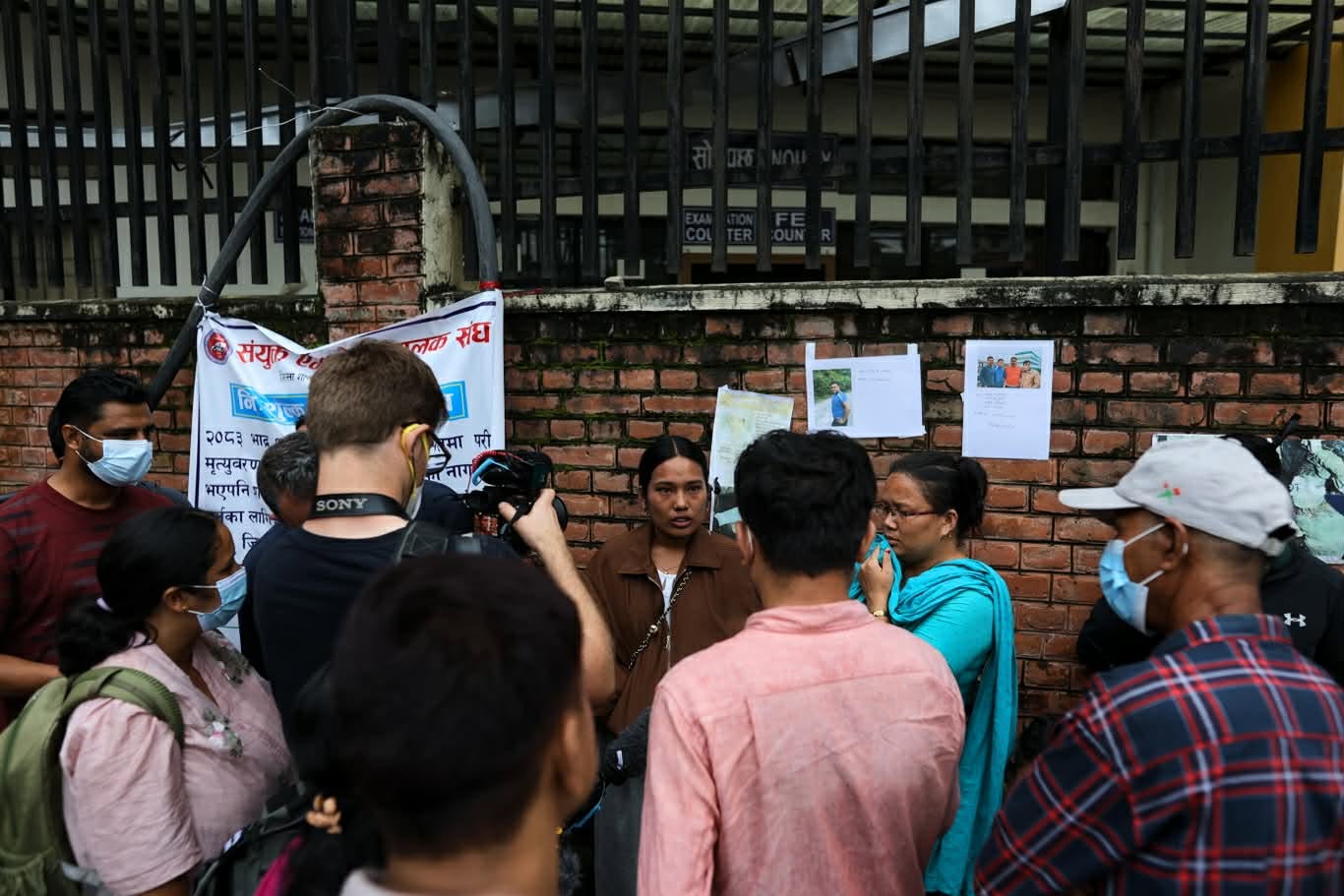
Dil Kumari Masrangi Magar is posting photos of her brother-in-law and a nephew at the hospital gate, next to dozens of other pictures of the dead, and long printouts of missing names. She tells us to share the story with the world, maybe someone somewhere has seen them.
“There is nothing left to do but hope,” she tells us quietly. “Even if it’s just their bodies, at least we’d know.”
Nearby, Dirgha Maya Kulami Magar joins the conversation. Her nephew is missing. She had called him three times that morning before the flood came, but he did not pick up.
Both women and their families are originally from Udaypur. Their relatives were working in Rasuwa on the morning of 26 August, and are among nearly over 2,500 people in Nepal who are still unaccounted for. Another 500 are missing in China from the mud surge that engulfed the Trisuli River.
There are one or two rare stories of survival. On Friday night, rescuers heard a feeble cry from under the rubble of a destroyed house in Timure near the Chinese border.
They frantically dug through the mud and pulled out six-year-old, Manisha.
More than 80 hydropower plant workers were rescued by the Nepali Army from tunnels, but hundreds more are missing from the 12 projects along the Trisuli and its tributaries. Chinese and Indian teams with specialised equipment are working against time to reach those trapped.
WALL OF MUD
Some are desperate enough to consider chartering a private helicopter to search for their people, even though officials discourage it as a waste of resources because the government needs the choppers for its own rescue priorities.
Subash Tamang went to Dhunche to search for his missing relatives who were all tourist bus operators. Two were leaving after dropping off a batch of visitors at the border, and they were still in touch till 8:31am — half and hour before the wall of mud came crashing down.
He had gone to Chitwan to see if the bodies were swept down there, and now is in Kathmandu. We overhear him telling a police officer: “I keep dreaming that they might be in a certain location, waiting to be rescued. If only we could take a heli.”
Then he turns to us and says with desperation in his voice, “With the help of journalists like you we hope to find them soon.”
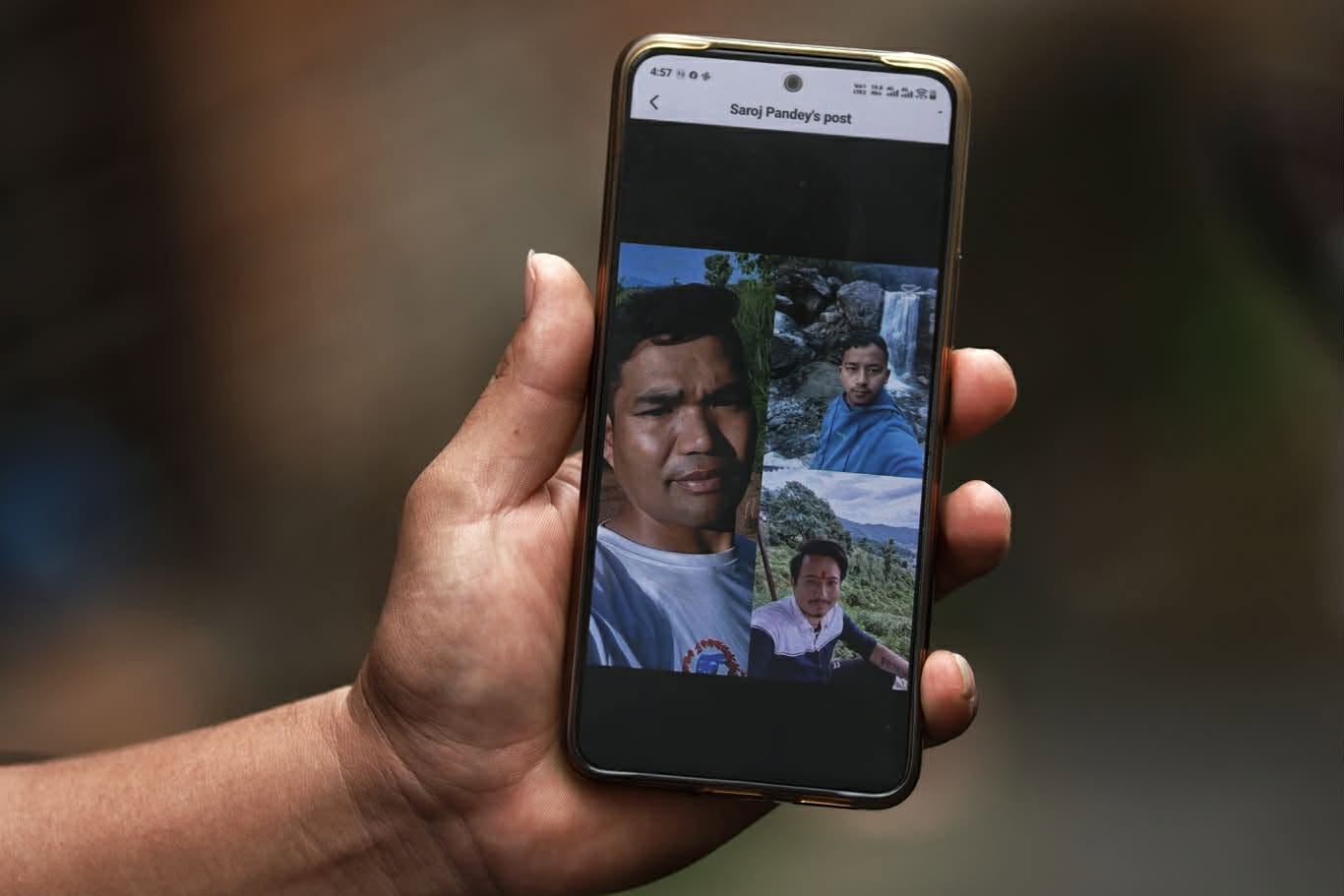
Nepal’s official death toll is based on the number of bodies found, and it is nearing 700, but that number is sure to reach into the thousands -- making this the worst disaster since the 2015 earthquake that also struck this region badly.
One family finally coming to terms with the loss is Kesari Tamang. She has been visiting the hospital every day, and this evening we find her examining the picture of a body very closely. There is a ring on one finger, just like the one her brother Sankha Budha used to wear.
He was running a restaurant next to one of the bridges that was swept away in Betrawati. At the police desk, she was also told the body was about 5.6ft , and he had a fair complexion.
But because the body was recovered in Kapilvastu, Tamang and the family prepared to travel to the morgue at Pipra Hospital to identify it and arrange for the funeral.
“If we start early tomorrow, we will reach in about 10-11 hours. If it’s not him, we will just come back, but it looks like it is him,” another relative says with a deep sigh.
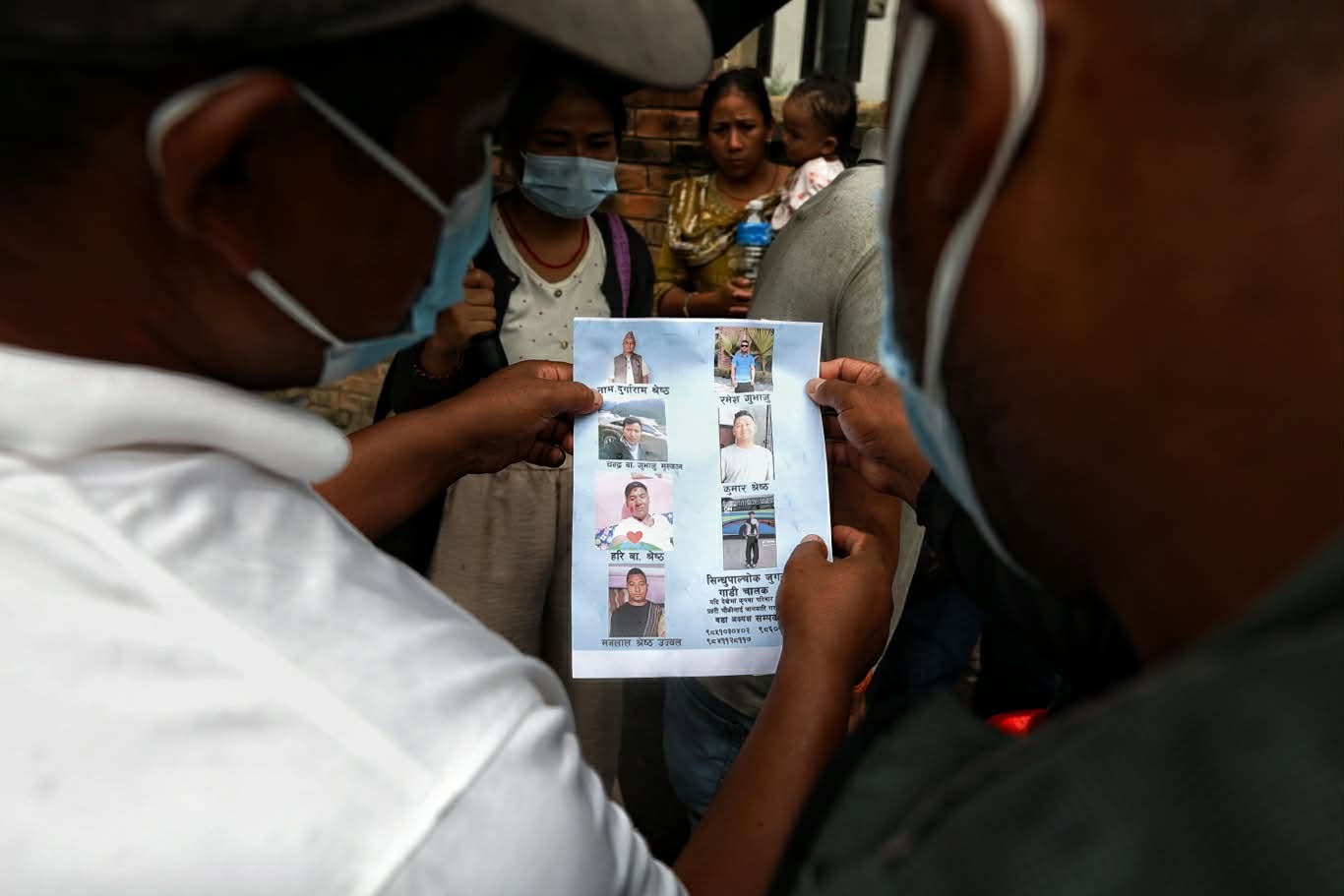
The photographs of the dead are disturbing, and some have questioned the practice of posting the graphic images in public. But for the families this is the only identification method possible for now.
Then we come across a group of girls, closely resembling each other, all looking for information on their only brother Santosh Thing Tamang, 23. The eldest of eight sisters, Shanti Maya Tamang, tells us they are waiting for the hospital to bring out a fresh batch of photos of bodies that arrived that day.
Santosh was working as a barista in a cafe near the Nepal-China border and was coming to Kathmandu on a holiday via Kerung when the disaster struck. He had left at 7:30AM Nepal time and would have been at the border when the flood struck.
“He had taken five days off to spend Raksha Bandhan with us sisters,” Shanti Maya tells us. “Our parents keep calling us, asking if we found our brother. We keep going around but we can’t find his photo or name on any list here. He is not in Bidur camp either. We tried TikTok, too.”
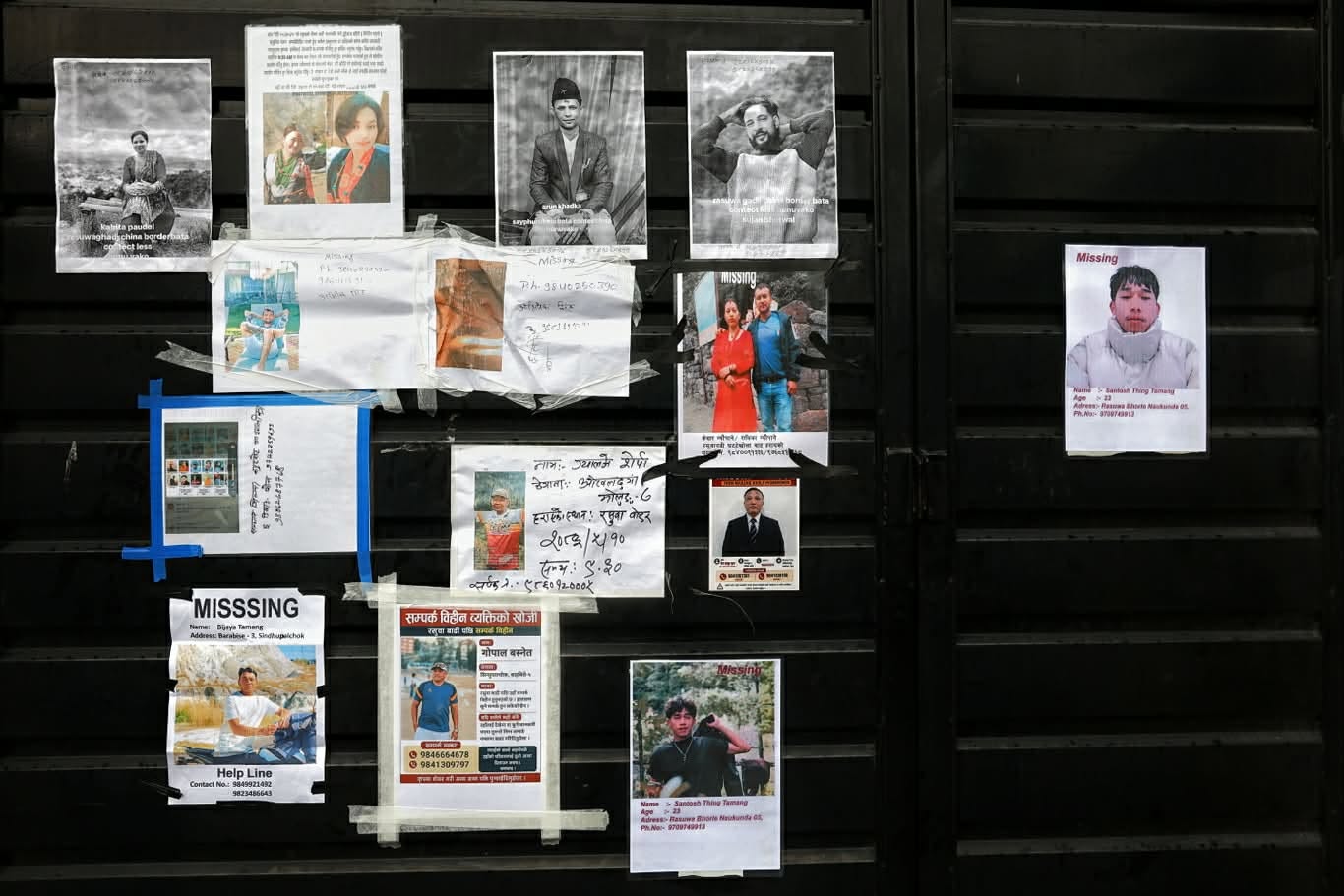
The sisters work and study in Kathmandu and live in a rented room. Their parents are in Bhotle in Rasuwa, which is higher up the mountain so they are safe. But the road to the village has been swept away, so they cannot travel.
Shanti Maya has run out of tears, and has spent all her hope. She adds in a monotone: “My family is safe, but all villages are all gone, there is no one left.”
If you are looking to support communities affected by the flood in Nepal, donate to the Prime Minister's Disaster Relief Fund here. Additional information here.