Nearly 50 years after American government pressure forced Nepal to outlaw the cultivation and consumption of cannabis, the Himalayan country is trying to bring back an important cash crop that also may have medicinal applications to fight COVID-19.
The pandemic was already spreading in March when former law minister Sher Bahadur Tamang of the ruling Nepal Communist Party (NCP) registered a private bill in Parliament to overturn a 1976 law that criminalised the cultivation, sale and consumption of cannabis.
“The bill is designed for the economic upliftment of poor farmers that depend on the cannabis crop,” says an optimistic Tamang. “So far we have received very positive response from fellow MPs and I am sure there will not be a single vote against it.”
High time to lift ban, Sarthak Mani Sharma
Push to undo hash ban in Nepal, Sahina Shrestha
Tamang’s bill proposes formation of a 14-member Marijuana Board chaired by the secretary of the Ministry of Health which will regulate commercial cannabis cultivation, its trade and sale. Individuals above 18 years of age can apply for annual license from the local government or their district to farm cannabis.
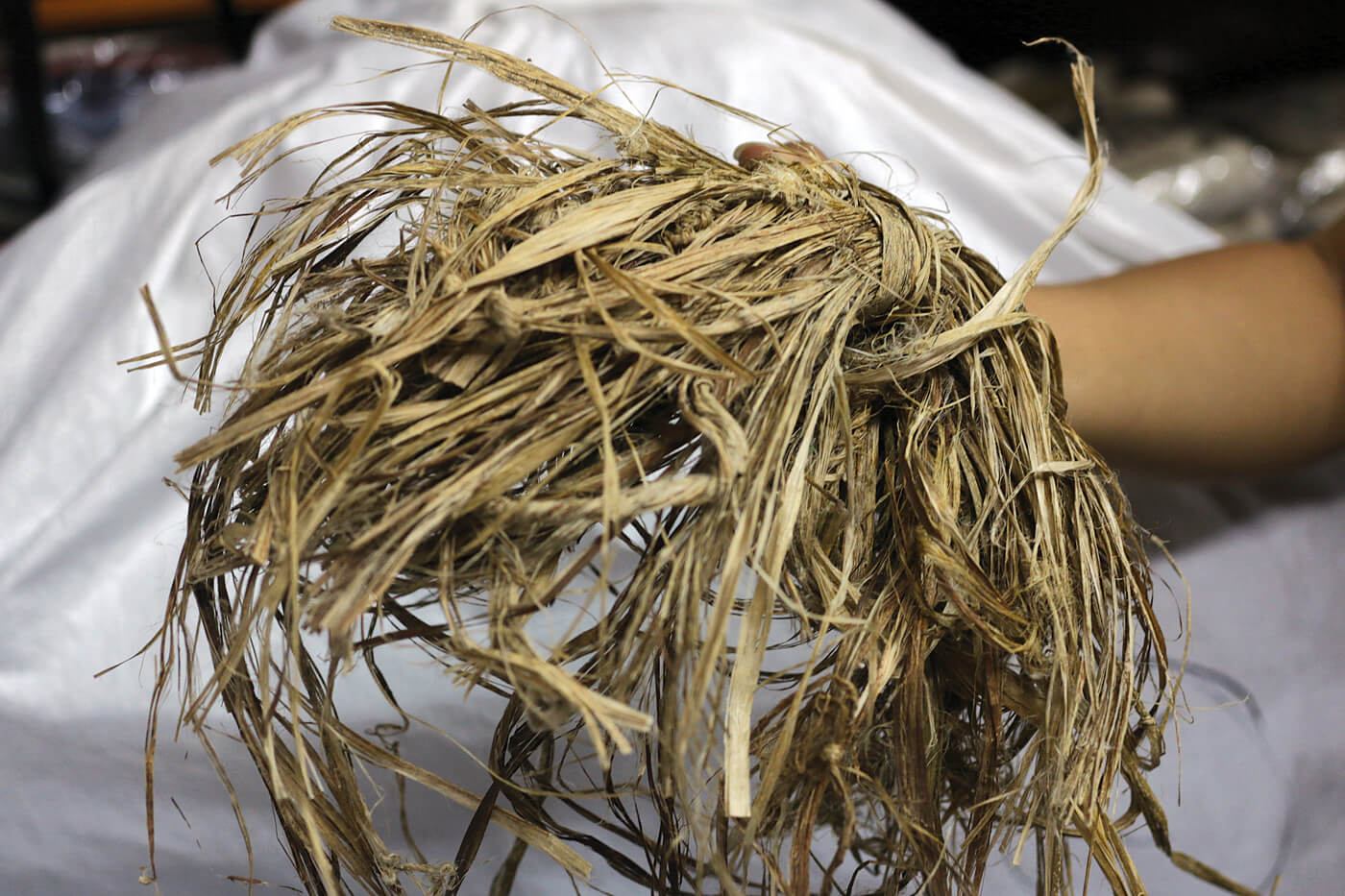
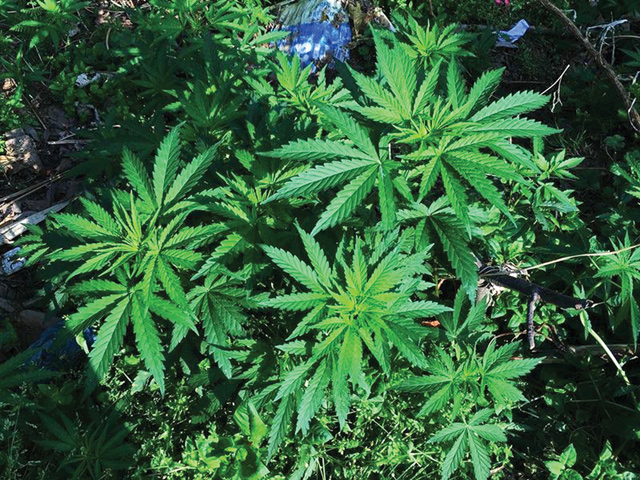
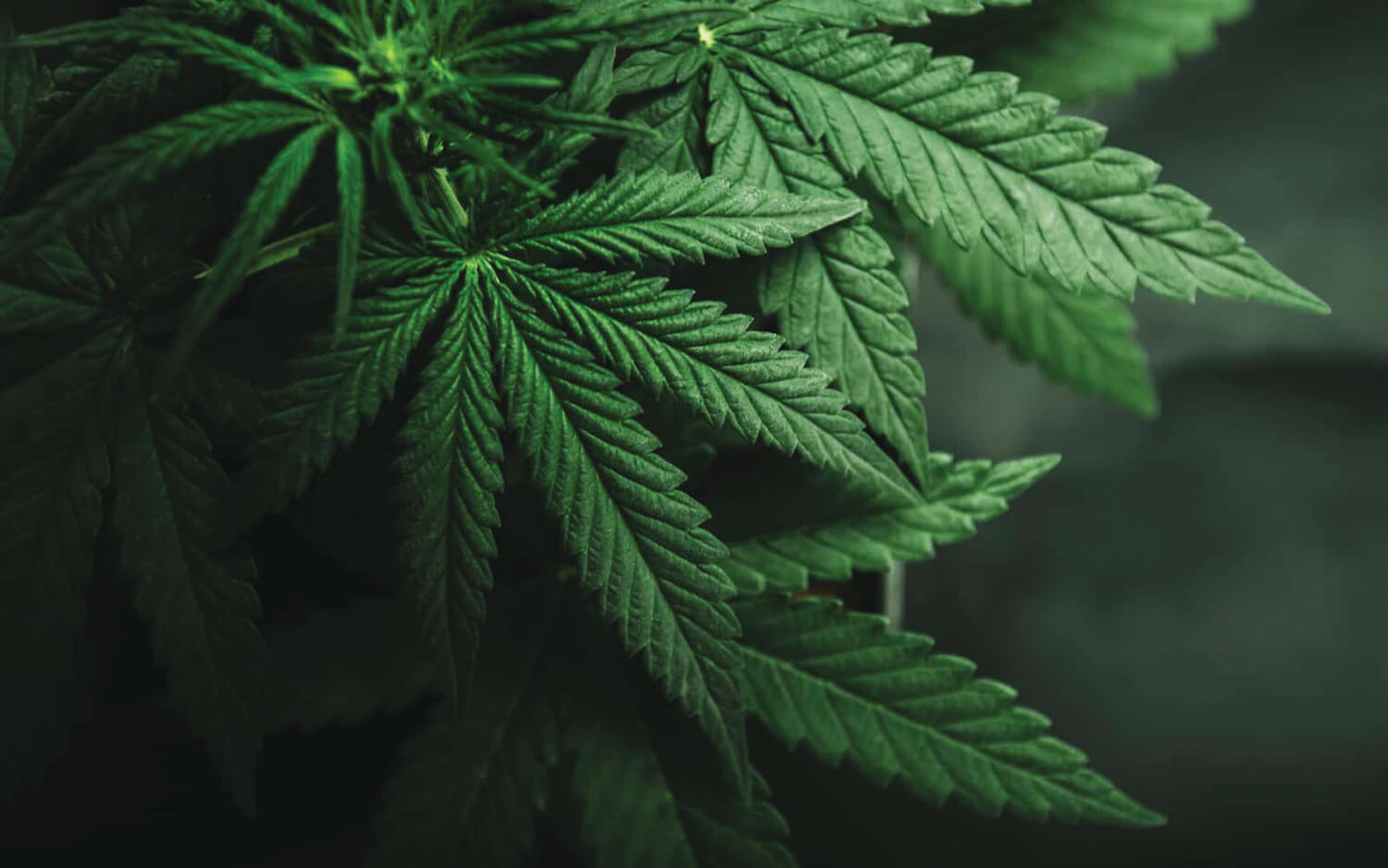
The Cannabis indica plant grows wild in Nepal, and especially thrives in the western mountains where the stem, leaves, resin and oil are used in the household for medicinal purposes, or sold.
The open sale of marijuana in Kathmandu in the 1960s was what drew the hippies to Nepal, and as the counter culture and the anti-Vietnam War movement grew, President Richard Nixon saw it as a security threat.
(pictured below) and vowed to wage a “worldwide offensive dealing with the sources of supply as well as Americans stationed abroad wherever they are in the world.”

Kathmandu had become a haven for anti-war ‘peaceniks’, draft dodgers, and Vietnam veterans. White House recordings from the early 1970s reveal Secretary of State Henry Kissinger warning Nixon: “They come from Nepal to demonstrate against you because up there they can get free pot ... or at least it is legal.”
Banning cannabis drove the cultivation and use of this important cash crop underground and into the hands of organised criminals with police and political protection. Nepal’s subsistence farmers were pushed deeper into poverty, and may even have sparked the Maoist revolution in later years.
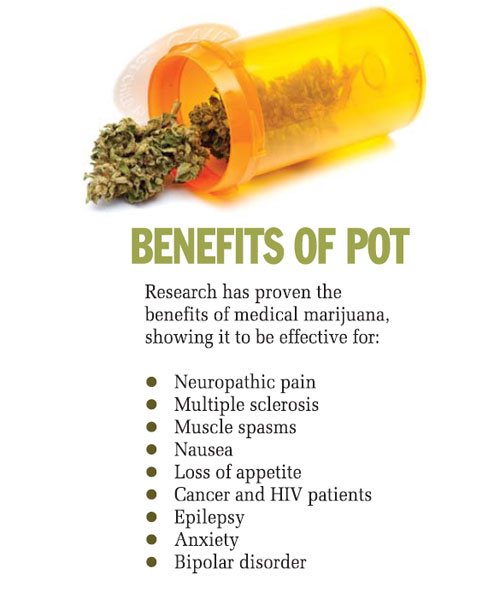
Campaigners in Kathmandu now see no reason why Nepal should keep the ban when the Americans who forced it on Nepal have legalised it in 25 states for medical and commercial purposes.
The COVID-19 pandemic has added another reason to lift the ban. A Canadian study in April determined that chemicals found in the Cannabis sativa plant could block SARS-CoV-2 from entering a person’s body.
Researchers at the University of Nebraska and the Texas Biomedical Research Institute also published a paper detailing the anti-inflammatory properties of chemicals in the cannabis plant that could be useful in treating lung inflammation in COVID-19 patients.
In Israel, clinical trials have been scheduled to use cannabis-derived Cannabidiol (CBD, the non-psychoactive component in the plant) to treat inflammation in COVID-19 patients. An Israeli start-up Stereo Therapeutic recently said that cannabis could improve steroid therapy in autoimmune COVID-19 patients.
"Cannabis has cooling effect and it has been used in traditional medicine to reduce fever. Unsurprisingly this aligns with the recent findings," says legalisation activist Rajiv Kafle. "I'm a strong believer that the use of chemicals in the cannabis plant can lead us to COVID-19 treatment."
Although these are preliminary findings, they have added a sense of urgency to pro-cannabis activism in Nepal, and if Tamang’s Cannabis Cultivation (Management) Act is endorsed by Parliament, Nepali farmers could benefit.
The bill restricts farmers from cultivating only cannabis in their land and proposes that farmers with more land can use a smaller proportion for cannabis cultivation. It will allow farmers to sell marijuana directly to people with a doctor’s prescription, to pharmaceutical companies approved by the Board, and to authorised agents for export.
Explains Tamang: “Given the international demand for good quality marijuana for medicinal use, farmers here can easily earn up to Rs2 million a year cultivating it in addition to hemp and other crops. It would reduce out-migration, reduce poverty and encourage tourism.”